
Last updated November 22, 2026
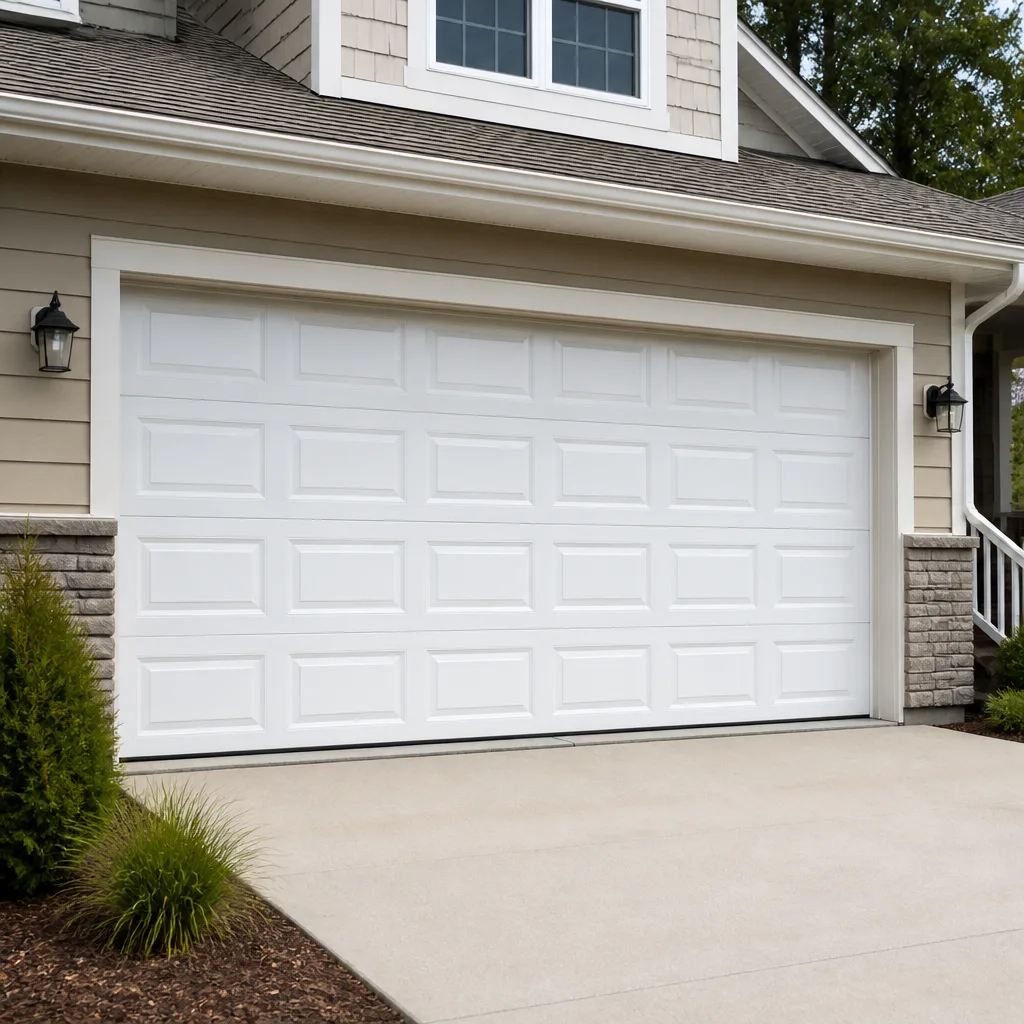 Raised-panel steel
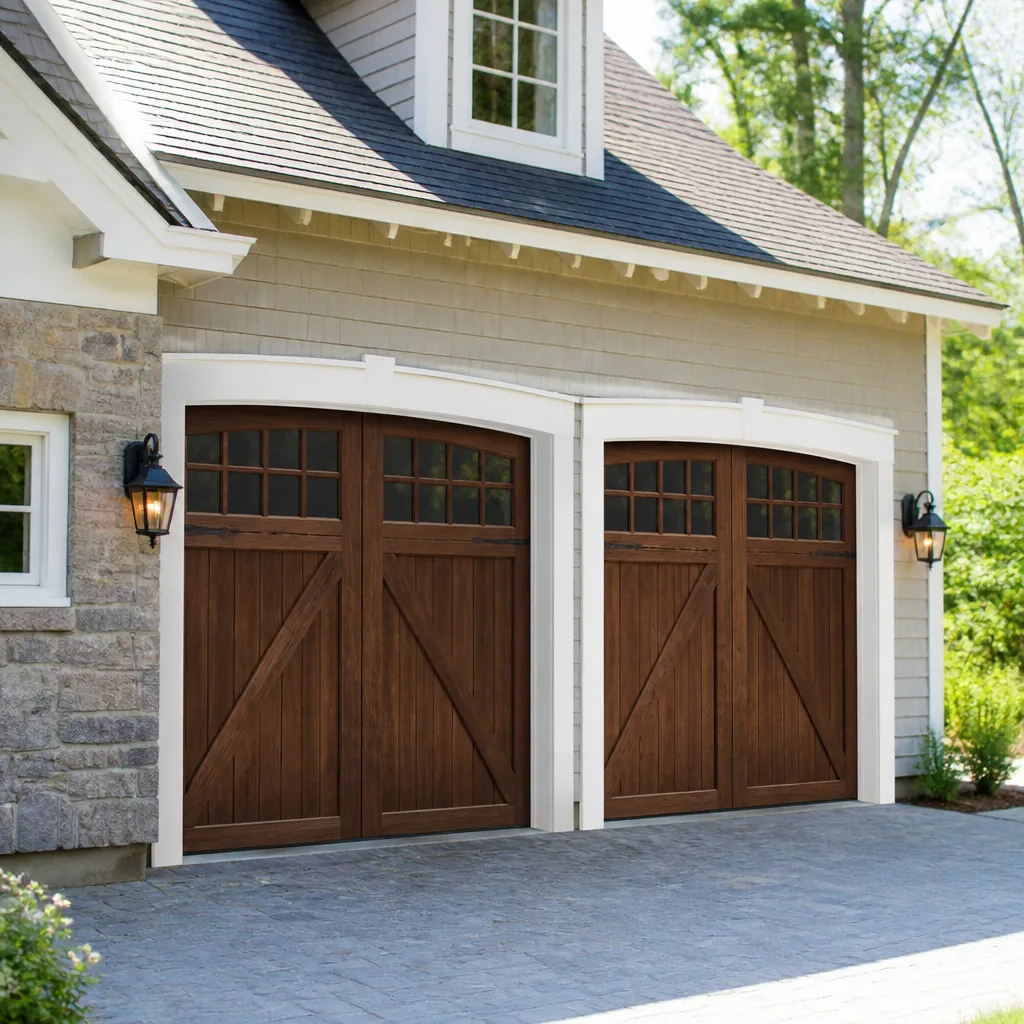 Carriage house
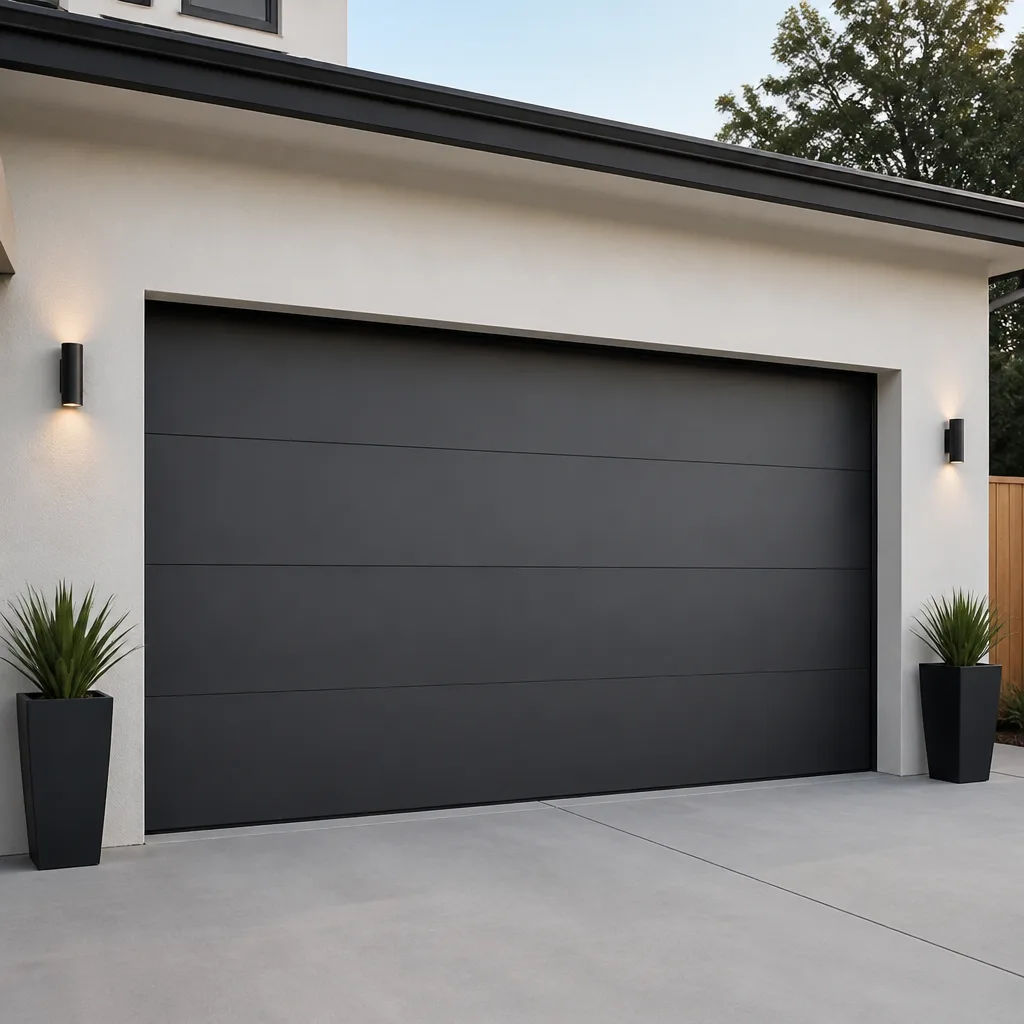 Modern flush
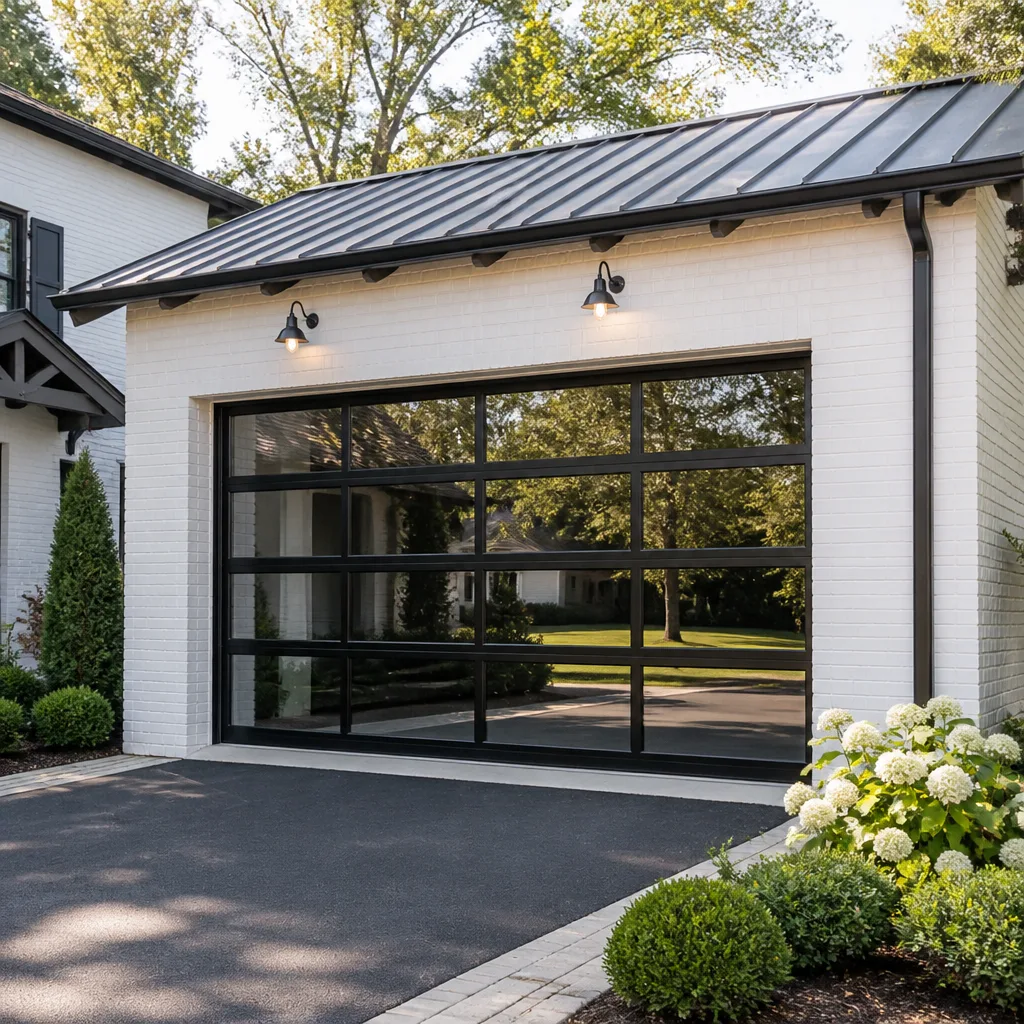 Full-view glass
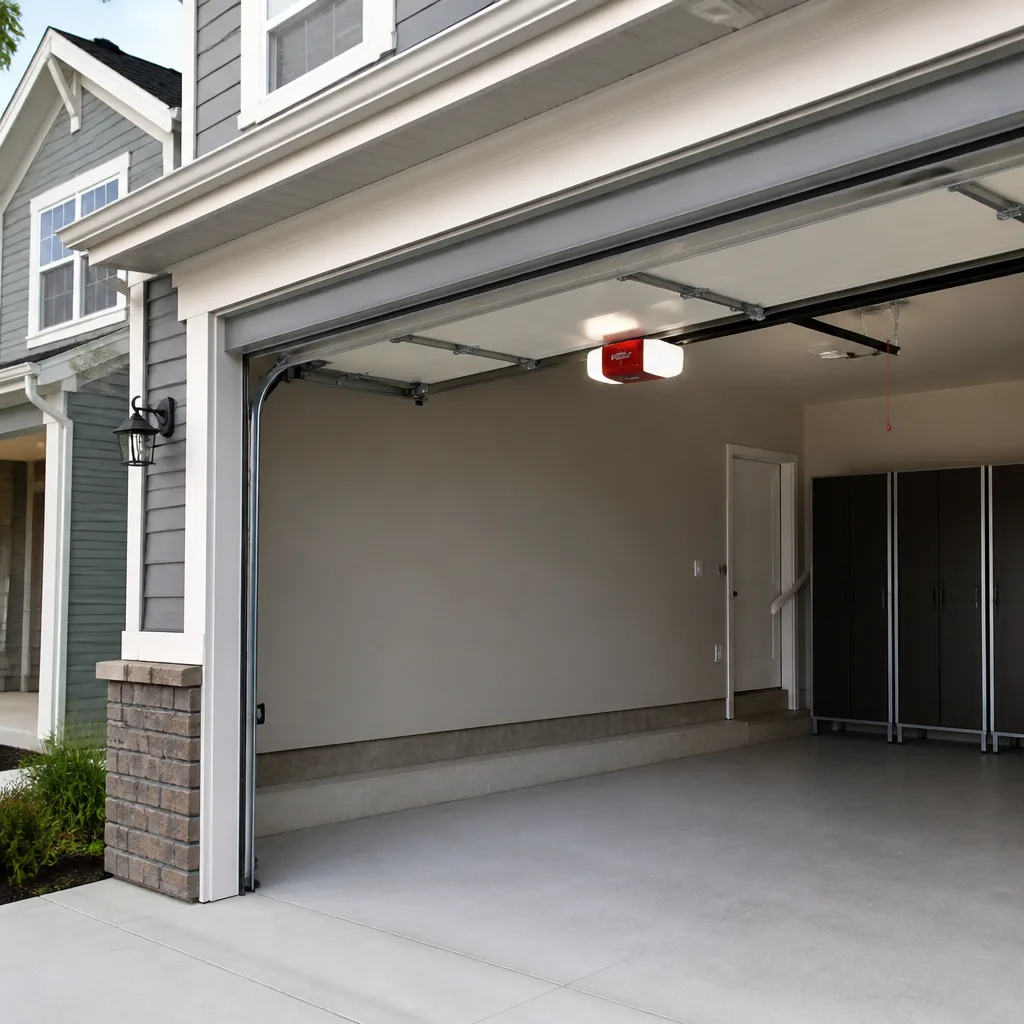 LiftMaster openers
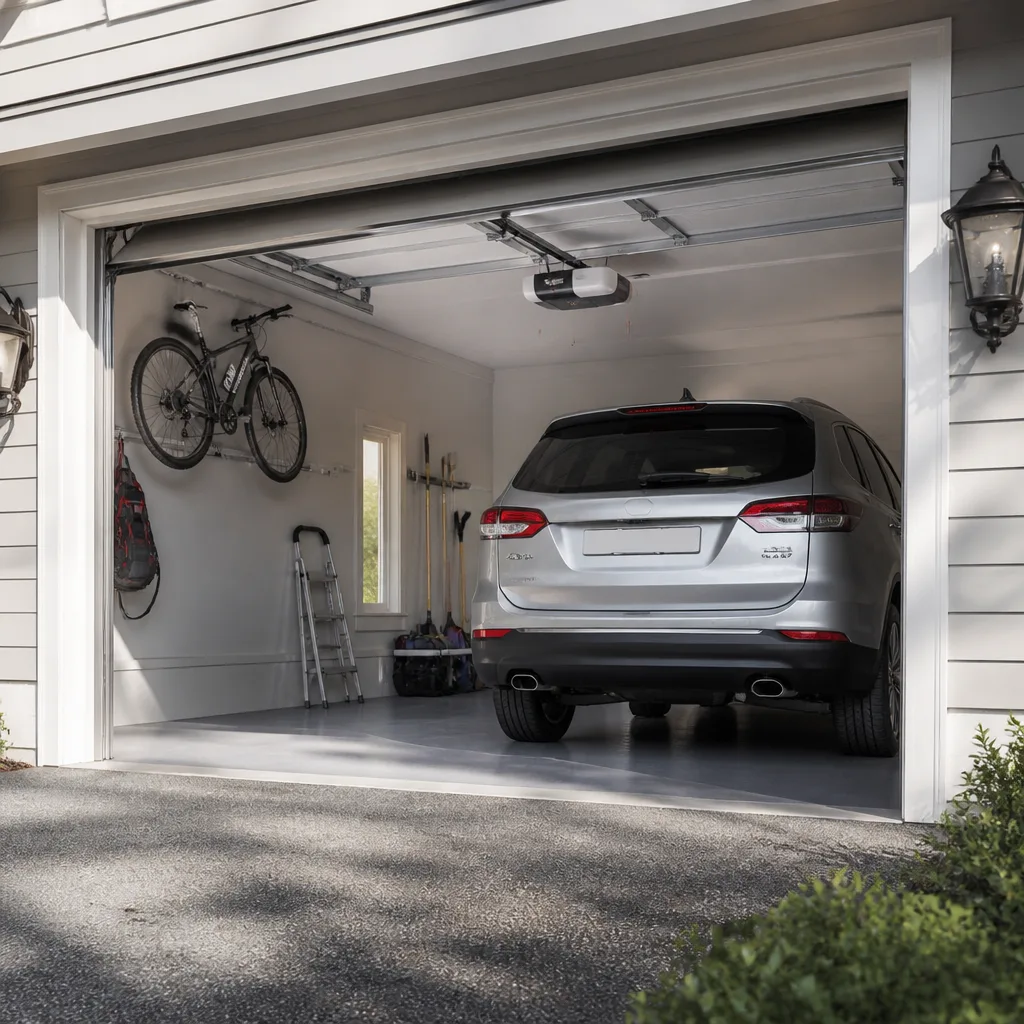 Chamberlain openers
Full 25-point door and opener safety check with every visit - springs, cables, rollers, tracks, and your LiftMaster or Chamberlain opener included
You get a price before we start. It does not change when the pro arrives.
Get your free estimateDIY vs Professional Garage Door: The Bethlehem Homeowner’s Decision Guide
Torsion springs store enough mechanical energy to injure a person in a fraction of a second. Painting your garage door panels, swapping worn rollers, or reprogramming an opener remote require no special tools and carry almost no risk. Most guides mash these jobs together under one vague warning and leave you no better off. The line between safe DIY and a genuine safety risk is actually sharper than that, and once you can see where it falls, the decision gets easier. This guide sorts garage door work into three categories, explains the physics behind the dangerous jobs, and shows where a Bethlehem homeowner can save real money by doing prep work first.
Quick Answer
For a mechanically average homeowner, painting, cleaning, lubricating, balancing a door by hand, replacing rollers and hinges, and reprogramming an opener are reasonable DIY jobs. Anything involving torsion or extension springs, cables, drums, and any work on a door that has lost tension or come off its track belongs to a trained technician, full stop. Electrical work inside the opener or the home’s panel is in the same hands-off category. In Bethlehem, the split matters because the same system protects your vehicles and your house, and a spring that lets go at the wrong moment is the difference between a service call and a hospital visit.
Styles & brands we work with
- Raised-panel steel
- Carriage house
- Modern flush
- Full-view glass
- LiftMaster openers
- Chamberlain openers
Table of Contents
- The Three Categories of Garage Door Work
- Why Springs and Cables Are Different: The Physics in Plain Terms
- What DIY Mistakes Actually Cost in Bethlehem
- The Tools and Knowledge That Separate Confident DIY From a Call
- How DIY Repairs Affect Your Manufacturer Warranty
- Where You Can Save $150 – $300 Before We Arrive
- A Numbered Safety Check Any Homeowner Can Do
- Bethlehem Climate, Housing, and What It Means for Your Door
The Three Categories of Garage Door Work
Sorting the job before you pick up a tool is the whole game. We group every garage door task into three buckets, and the bucket tells you who should do the work.
Category 1: DIY-safe for a mechanically average homeowner
- Washing and painting or staining door panels and trim
- Lubricating hinges, rollers, and the track with a proper garage door lubricant
- Sweeping debris out of the track and wiping it down
- Replacing plastic or nylon rollers with basic hand tools
- Replacing hinges and the bottom seal or weather stripping
- Testing the balance of a door by hand with the opener disconnected
- Testing the safety reverse with a small test object
- Reprogramming remotes, keypads, and travel limits on a LiftMaster, Chamberlain, or Genie opener
- Replacing the opener’s light bulbs and battery backup
These jobs use ordinary tools, carry minimal injury risk, and won’t upset the balance or tension of the system if done with care.
Category 2: Caution required – specific tools and a real understanding
- Adjusting the opener’s force or travel settings when the door has started reversing on its own
- Replacing a single extension spring on a lighter door, with the door fully open and properly clamped
- Resetting a photo-eye or safety sensor that’s been knocked out of alignment
- Adjusting track brackets for a minor rub, not a bend
- Checking and setting the manual release rope so it isn’t tangled
These jobs can go wrong if you skip a step. They’re doable, but only with the right tools and an honest read of your own ability.
Category 3: Never DIY, regardless of skill level
- Torsion spring replacement or adjustment (the horizontal spring above the door)
- Any work involving the lift cables, cable drums, or bottom brackets
- Replacing a broken spring or re-tensioning a door that’s lost tension
- Realigning a door that has come off its track
- Electrical work inside the opener housing or at the panel
- Any repair on a door with a visibly broken spring, a kinked cable, or a door hanging unevenly
These belong to a trained technician. The energy stored in a torsion spring is not something to wrestle with, and the injury risk is real and immediate.
Why Springs and Cables Are Different: The Physics in Plain Terms
A torsion spring is a coiled piece of steel under constant load holding the entire weight of your garage door. A typical single-car door weighs about 130 to 150 pounds, a double door closer to 200 to 250. The spring is wound tight enough to lift that weight with the turn of a handle. When the spring breaks or you try to adjust the tension without the proper winding bars and counterbalance, the stored energy releases instantly, and the shaft can spin or the spring can snap faster than you can react. There’s no second chance to step back.
Extension springs on the sides of some doors carry the same tension, just in a different geometry. When one lets go it can travel the length of the door and strike whatever is in its path. That’s why trained technicians use hold-down cables and why none of it is a job you practice on a Saturday morning.
The cables and drums are just as unforgiving. They carry the same load as the spring, and a cable that slips off a drum while under tension can whip. This is the reason garage door spring work is one of the few home repairs where we genuinely tell people to put the tools down and call for help. Springs are dangerous. Leave them to a trained technician. Our technicians have up to 15 years of experience with exactly this kind of work, and that experience is the reason they can reset a door in the same afternoon. For more on this specific job, see our garage door repair page.
What DIY Mistakes Actually Cost in Bethlehem
The true price of a DIY mistake is not the price you would have paid a professional. It’s the injury cost, the secondary damage to the door and opener, and the labor to fix what the first repair broke. Here’s how that math plays out.
Injury costs
A spring-related injury typically involves a hand, wrist, forearm, or face. Emergency room visits in the Lehigh Valley involve a facility fee, a physician fee, imaging, and follow-up. Even a straightforward visit without imaging runs into the hundreds, and a fracture or surgery pushes into the thousands. We’d rather not quote a number we can’t verify, but no home repair saves money if it costs you a night in the ER. The honest calculation is simple: the potential downside dwarfs the cost of a professional spring repair, and that downside is why so many technicians still hand spring work to a specialist.
Secondary damage
When a door isn’t properly tensioned, the opener takes on weight it isn’t designed to carry. The motor strains, the gear wears, the door sags, and the panels can crack at the hinges. Fixing an improperly tensioned system usually involves a full re-tensioning plus an opener inspection, and often some panel and hinge replacement. That’s real markup on a job that would have cost less to do right the first time. On a Clopay or Amarr door, a repair done wrong can also void the manufacturer’s warranty on the affected components.
Time
Most DIY spring attempts end in a drive to the hardware store, a failed tensioning attempt, and a call anyway. That’s not a moral failure, it’s just the nature of the job. The door wins more often than not.
If you want the exact figures for your door, our spring repair service page breaks down what a repair costs and what the written estimate covers. Or call (833) 468-5855 and we’ll talk through what’s happening with your door.
The Tools and Knowledge That Separate Confident DIY From a Call
Competence isn’t the threshold. Real DIY confidence rests on four things, and if even one is missing, hire the job.
- The right tools. Winding bars for torsion springs, a ratchet and socket set, a clamp or locking pliers to hold the door, a straight edge for checking alignment. If you don’t own them and would be buying them for one job, that’s a sign.
- A working understanding of the mechanism. Not just the parts, but how they interact. You should be able to explain what a torsion spring does, why the door sags when it breaks, and what the opener is doing differently when the door is out of balance.
- An honest read on your body. Door work is physical. If you can’t lift a hundred pounds safely, or you’re working alone at height, the small jobs still need a spotter and the big jobs need a technician.
- A clear sense of what “broken” means. A door that reverses on its own, comes off the track, or loses its spring isn’t a maintenance issue. It’s a repair, and the repair category matters for safety.
If you can check all four boxes, the Category 1 and Category 2 jobs are yours. If the door falls into Category 3, the tool that matters most is the phone. We handle garage door opener repair every day on LiftMaster and Chamberlain systems, and the diagnosis is often something a homeowner can’t see with the cover on.
How DIY Repairs Affect Your Manufacturer Warranty
Warranties aren’t one policy, they’re a set of component warranties, and each brand treats DIY differently. Here’s the practical version, without getting into the fine print of every policy.
- Cosmetic and maintenance work (painting, lubrication, cleaning, replacing hinges and rollers) doesn’t void anything. These are expected consumable parts and no manufacturer expects a dealer to change a roller.
- Opener programming and remote work on a Genie, LiftMaster, or Chamberlain unit is fine. Nobody loses coverage for resetting a keypad.
- Spring and cable work usually falls outside the warranty if a non-professional did the replacement. Manufacturers frequently limit coverage on tension components to installation by an authorized technician, and if the repair fails and takes out the shaft or drums, the claim on those parts can be denied. That’s the most common warranty loss we see.
- Track and door panel replacement is generally a do-it-yourself gray area. If a home-installed panel distorts and cracks a second panel, the warranty covers the crack, not the cause.
- Opener housing and electrical work done by anyone not licensed for electrical work can void the opener warranty entirely on the affected electrical paths.
If your door is still under manufacturer warranty and the failing part is a spring or cable, don’t touch it. The warranty claim is the round trip you’d want, and the record of professional service is what a claim usually requires. When the door eventually needs a full replacement, our garage door installation team can talk you through a new door and opener in the same visit, without a second contractor.
Where You Can Save $150 – $300 Before We Arrive
There is a real dollar figure you can pocket by doing prep work before a technician arrives. The saving comes from reducing labor time, not from touching the dangerous parts.
Clear the space
Move the car out of the garage, take down anything hanging near the tracks, clear the floor below the door, and make sure the opener has a clear line of sight. A two-minute sweep means the technician doesn’t spend fifteen minutes rearranging your garage. That’s part of the estimate that disappears.
Know the door
Take a photo of the label on the inside of the door and the opener unit before you call. If it’s a Clopay or Amarr door, the label tells us the model and weight. That alone shortens the diagnostic step. Brand fluency matters here: we work on the major brands, so knowing you have a LiftMaster or Genie opener tells us which parts to bring.
Note the symptoms
Write down what the door does and when. Does it reverse immediately on closing? Does it move a foot and stop? Does it run the motor without moving the door? Each symptom points to a different failure, and the note saves a diagnostic step. If the door has a snapping noise and a visible gap in the spring, that’s a torsion spring failure and the diagnosis is done before we knock.
Check the simple things yourself first
Look at the photo eyes and clear any obstruction. Test the wall switch. Try a fresh battery in the remote. About a third of the “my door won’t open” calls we get in Bethlehem are one of those three, and a homeowner can fix those in minutes. If you’ve tried all three and the door still misbehaves, that’s a genuinely different call.
Total saving from doing all of this: typically $150 to $300 off the labor, and often part of the reason you can get same-day service from the schedule. Call (833) 468-5855 for a free estimate. We answer 24/7. Fast dispatch from 7am to 7pm, Sunday through Friday.
A Numbered Safety Check Any Homeowner Can Do
Run through this once a season. It takes five minutes and none of it requires tools beyond your hands.
- Disconnect the opener. Pull the manual release rope and check that you can lift the door by hand without straining. A well-balanced door stays wherever you leave it, halfway up.
- Listen for the spring. A grating or snapping sound with a visible gap in the torsion spring means the door is no longer supported, and the door should be left closed, with the car moved outside.
- Check the safety reverse. Put a test object – a short 2×4 is the usual recommendation from every major manufacturer – under the door on the closing cycle. The door should reverse on contact.
- Align the photo eyes. The two small lenses near the floor should be facing each other and their indicator lights should be solid, not blinking.
- Look at the tracks for bends. Run a hand along the inside of the track; you’re feeling for dents, grit, or a bend.
- Test the cables. Look at the cable on each side, at the bottom corner. Fraying, kinks, or a cable that’s slack on one side means call.
- Look for rust or separation at the hinges. Hinge plates that are cracked or loose at the screw need careful attention, not a screwdriver and force.
- Check the bottom seal. A warped or torn bottom seal lets cold air, water, and small animals into the garage, and it’s a five-minute DIY replacement.
If steps 1 through 7 are fine and only the seal is failing, you have a weekend project. If step 2, 4, or 6 fails, stop and call.
Bethlehem Climate, Housing, and What It Means for Your Door
Bethlehem sits in the Lehigh Valley where wet snow, freezing rain, and spring thaw cycles hit the garage more than most regions. The freeze-thaw pattern is genuinely hard on door hardware. Steel tracks contract and expand against the fasteners, which can work them loose. Wooden jambs absorb water and swell, which can bow the bottom panel of the door and knock it out of alignment with the seal. Rust appears on the bottom hinge plates and the bottom roller, which is why the track bottom gets tight and the door starts to drag.
The housing stock adds a wrinkle. South Bethlehem’s older homes, plus the 1920s and 1950s construction scattered through Bethlehem’s north side, often have garages detached from the house, which means the door is your only line of defense for the vehicles and whatever’s stored inside. A half-inch gap at the bottom seal in a detached garage lets in enough cold air to freeze a pipe, and enough rain to dampen whatever’s near the door. Newer subdivisions on the township edges often use a LiftMaster or Chamberlain opener that’s tied to a smart-home hub, which means a repair that isn’t programmed correctly can break home automation. That’s why we learn the brand before we arrive.
Snow and ice are the other local factor. A partially cleared driveway often leaves a mound against the door’s bottom seal, and forcing the door to close through it strains the opener and can crack the seal or the panel. Shovel clear of the door, not just the driveway. In spring, clear the leaves and grit from the tracks; grit is what kills rollers. If you notice the door is sticking after a cold snap, that’s a cold-weather track issue, not a motor failure, and worth a look before it becomes a repair. We handle emergency service for the situations that can’t wait. Call (833) 468-5855. We answer 24/7. A call outside dispatch hours is booked into the next opening, Sunday through Friday, 7am to 7pm.
Common Mistakes to Avoid
- Forcing a door that’s off its track. A door that has slipped its track is not a “pull it hard” problem. Forcing it can snap a cable or drop the door on the car, and the panel will usually crack in the process.
- Tensioning a spring with a screwdriver. This is the classic mistake and the most common cause of spring-related injuries. The spring has to be released with the door fully supported, using winding bars and a clamp; nothing about it is a screwdriver job.
- Replacing one spring in a pair. Torsion springs are usually replaced as a matched pair because a new spring alongside a worn one puts uneven load on the shaft. A single-spring replacement is cheaper but often a false economy.
- Raising the opener’s force setting to get the door to close. Turning up the force hides the real problem – a binding track, a failing spring, or a bad hinge – and it makes the safety reverse less sensitive. The door becomes a hazard to anything in its path.
- Ignoring a grind or squeal from the opener. In Bethlehem, a noisy opener in cold weather is often the gear and bearing wearing, and it’s much cheaper to catch early than after the motor burns out.
- Painting over a roller or hinge. Paint in a hinge makes it stiff, and paint on the track bottom makes the roller drag. If you’re painting the door, mask or remove the hardware first.
- Calling a general handyman for spring work. A good handyperson may know a lot about home repair but not the specific physics of a torsion system. Garage doors are all we do, and that’s a meaningful difference on this job.
See the difference
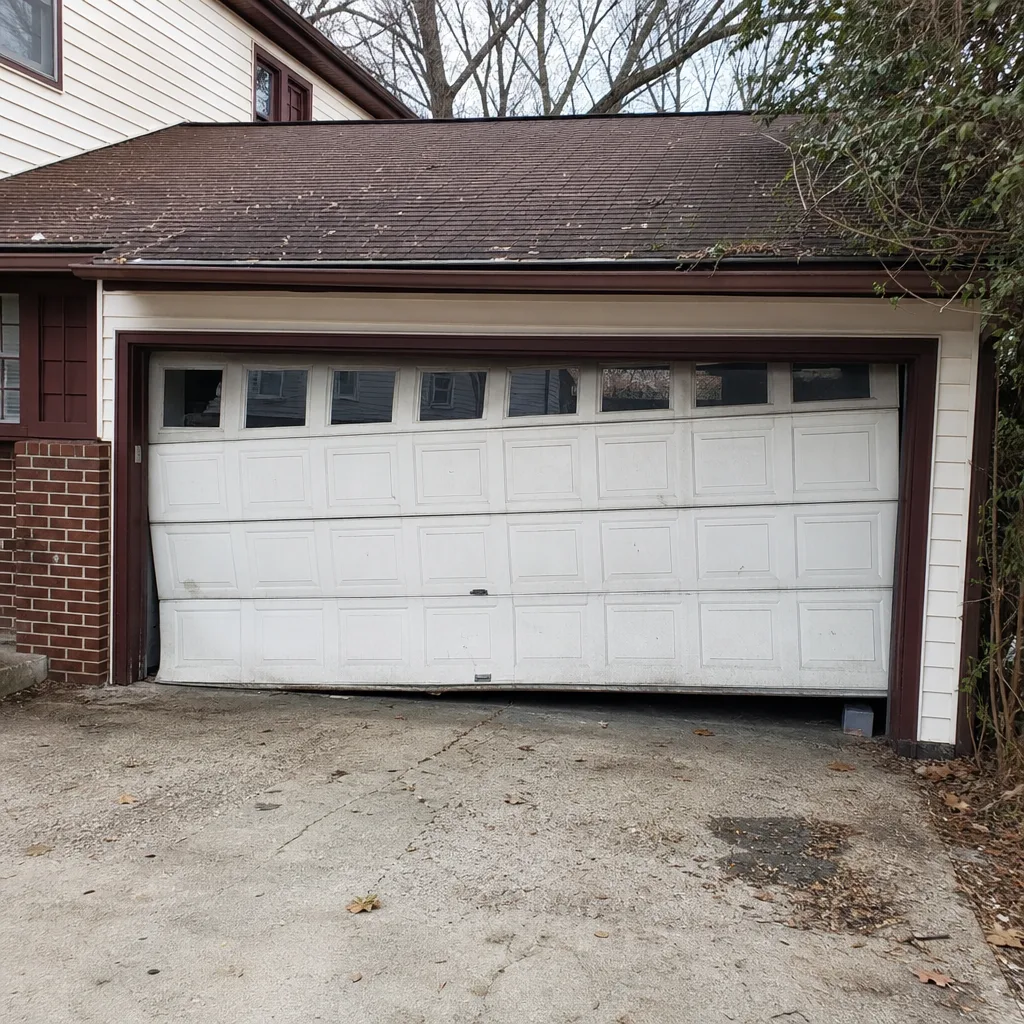 Before
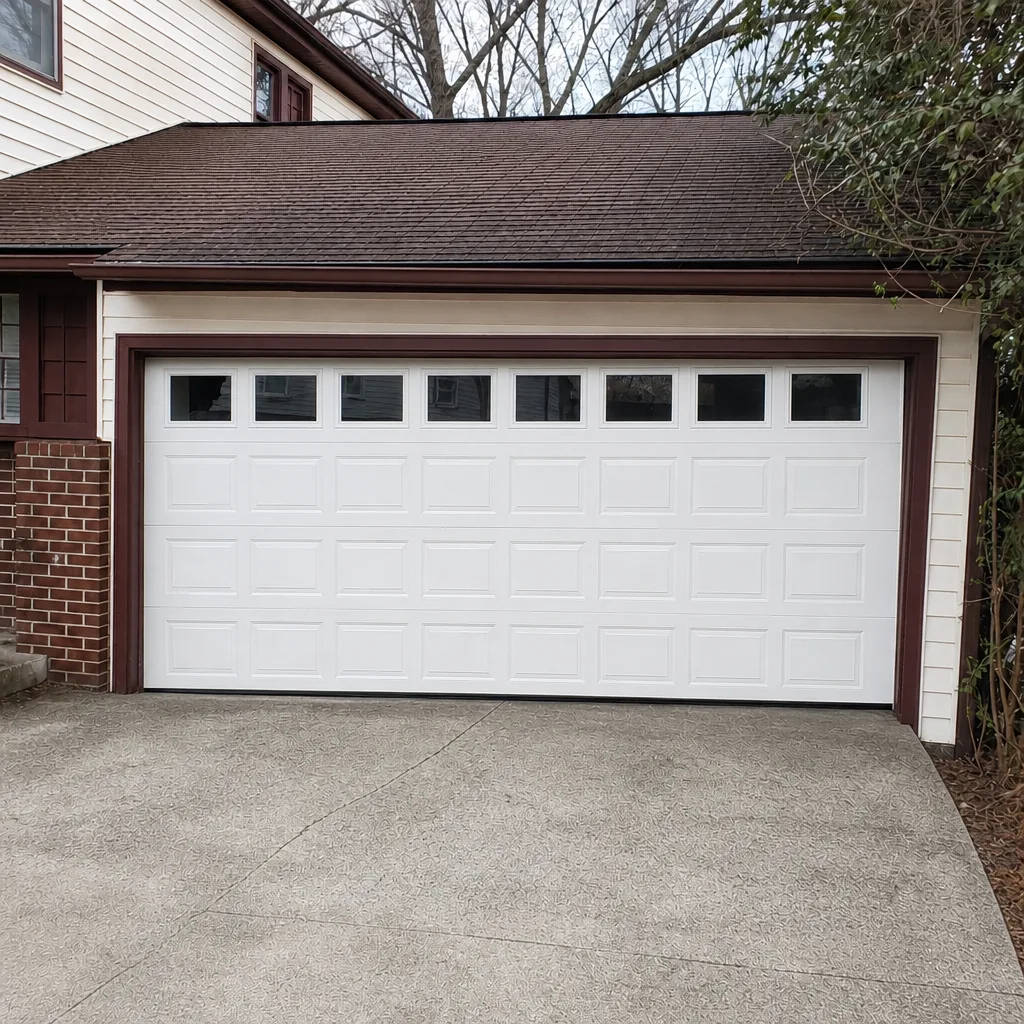 After
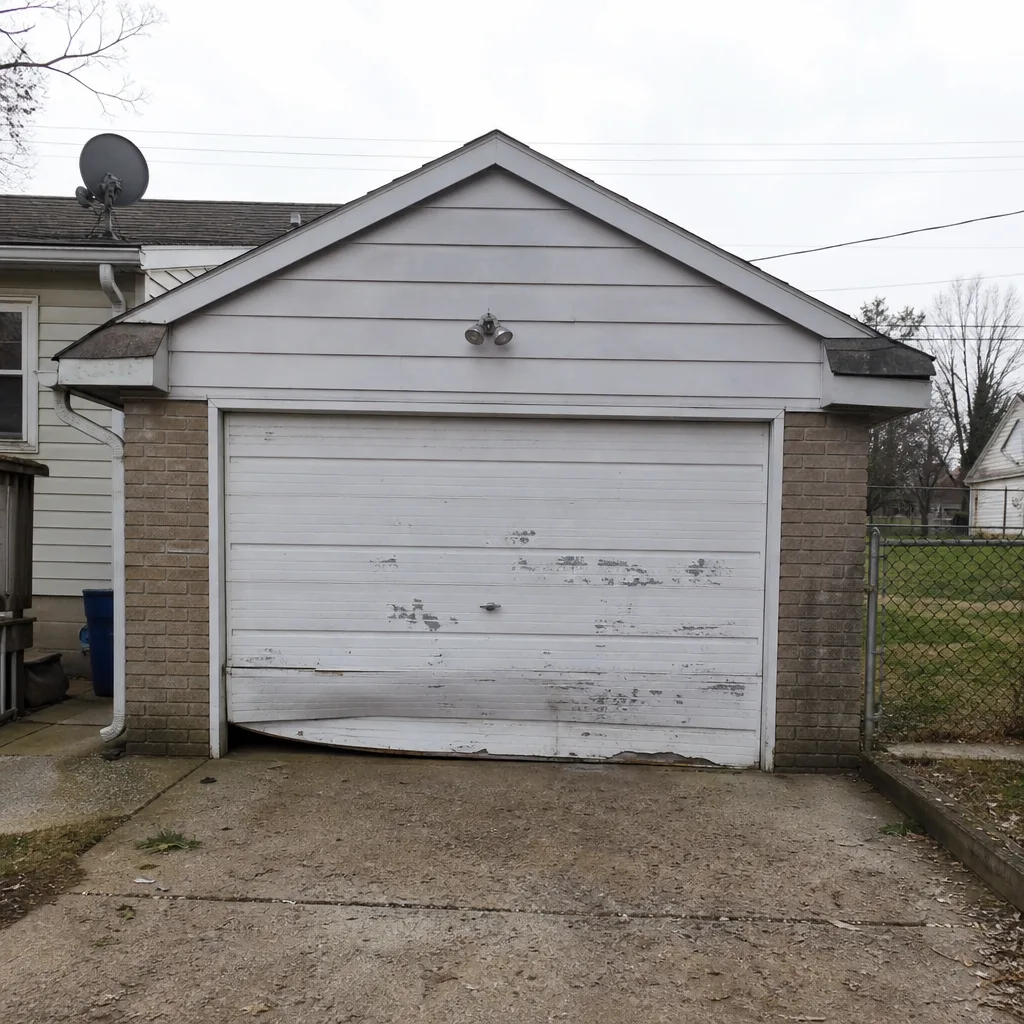 Before
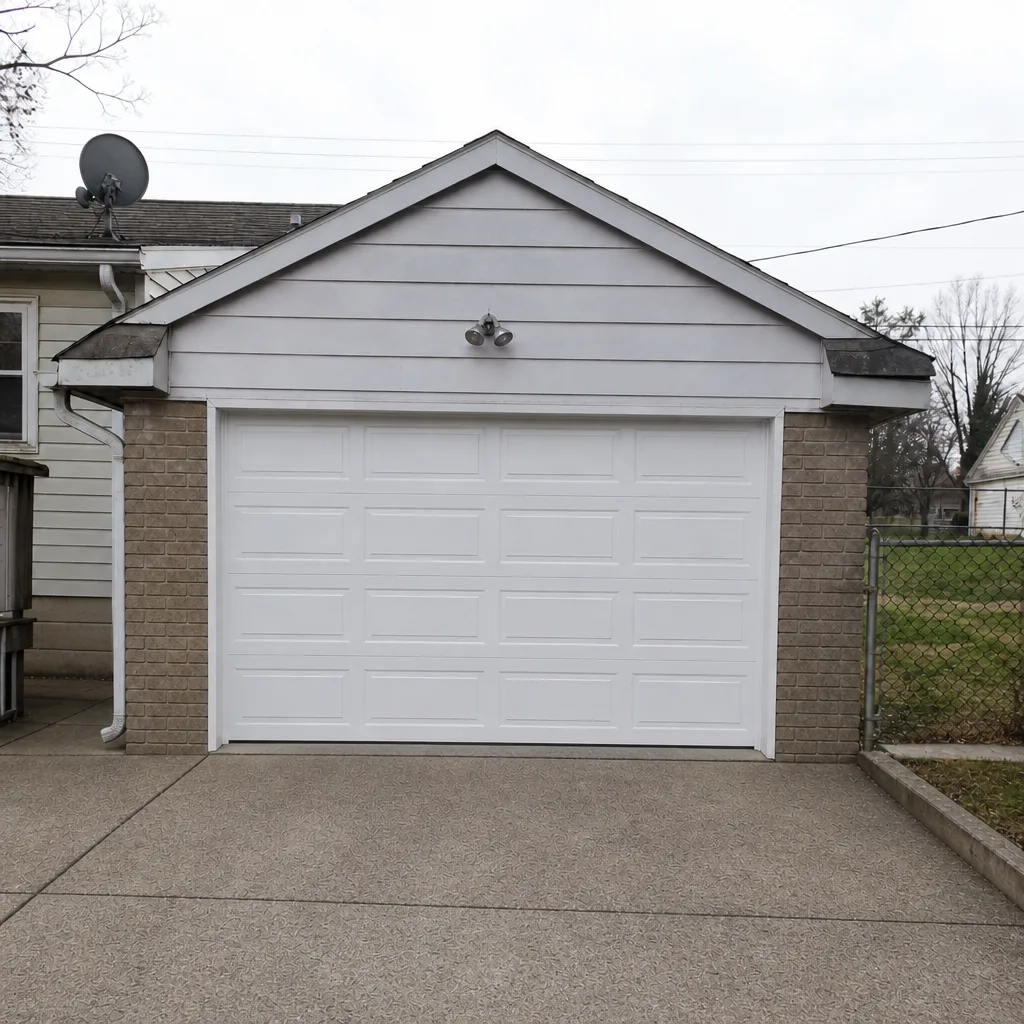 After
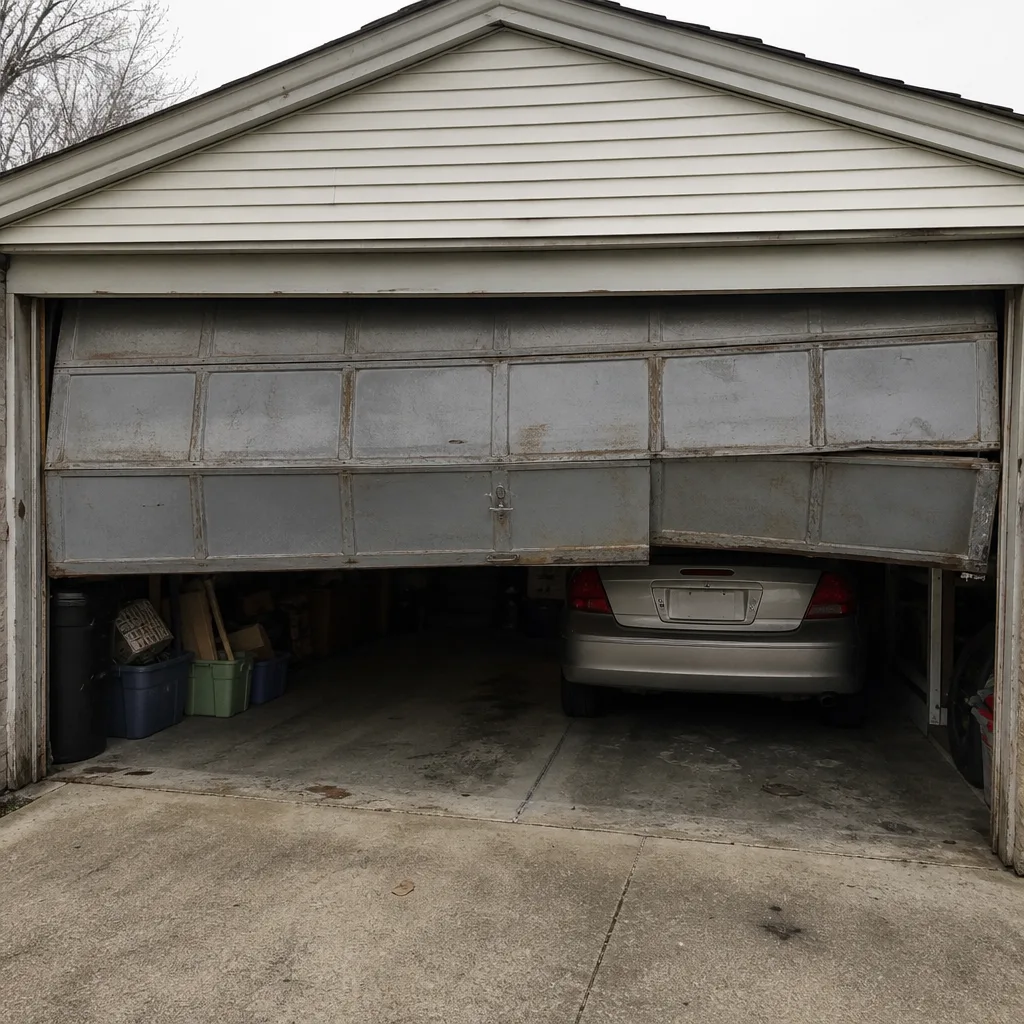 Before
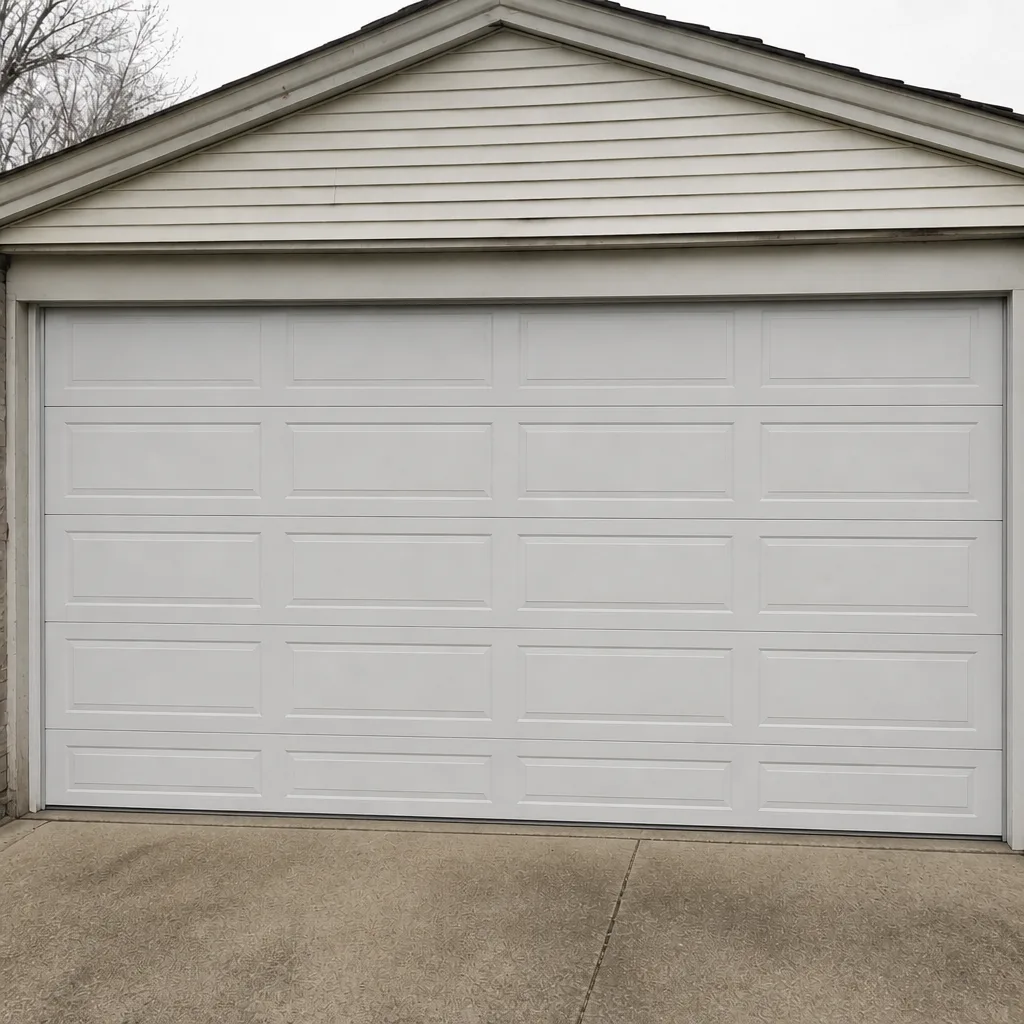 After
When to Call a Professional
Call us when the door has a broken spring or a slack cable, if the door has come off its track, if the opener moves the door and the door doesn’t move, if the safety reverse is failing, or if a panel is sagging. Also call if you smell burning from the opener, if the door is rusted or bent at the bottom, or if you simply don’t know what’s wrong. We can work with your insurer on storm-related damage. Bethlehem Garage Door Repair Pros offers free estimates in Bethlehem, and we work on all of the leading brands, including LiftMaster, Chamberlain, Genie, Clopay, Amarr, Wayne Dalton, Craftsman, and Raynor. Call (833) 468-5855. We answer 24/7. Fast dispatch from 7am to 7pm, Sunday through Friday.
Frequently Asked Questions
No. Torsion and extension springs are under extreme tension and can cause serious injury in an instant if released incorrectly, so we recommend a trained technician for any spring or cable work. Call (833) 468-5855 for an exact quote. Estimates are free.
It depends on the part. Cosmetic work, lubrication, roller and hinge replacement, and opener programming don’t affect your warranty, but spring and cable work done by a non-professional often does. If your door is still under manufacturer warranty and the spring or cable is failing, leave it and call (833) 468-5855.
Sometimes. If the photo eyes are misaligned, the wall switch is faulty, or the remote battery is dead, those are safe DIY fixes. If the door reverses after a foot or grinds to a stop, the problem is usually the opener’s travel setting, a binding track, or a failing hinge, and that’s the point to call. Call (833) 468-5855 for an exact quote.
It depends on the spring type and door size, and the written estimate sets the price. We don’t publish a number we can’t commit to, but we can say the price is quoted and agreed before any work starts, and the estimate is free. Call (833) 468-5855 for your exact quote.
No. The price you approve in the written estimate is the price you pay. If we find something different from what you described, we tell you before we touch it and you decide whether to proceed. Call (833) 468-5855 to book a free estimate.
The local pro is licensed and insured as Pennsylvania requires for the work performed. We connect you with vetted local professionals, and you can ask to see the credentials before work begins. Call (833) 468-5855 with any questions.
The Bottom Line
The DIY-versus-professional question isn’t really about skill. It’s about physics. Painting, lubricating, replacing rollers and hinges, balancing the door by hand, and programming your opener are safe, easy, and worth doing yourself. Anything involving springs, cables, drums, tracks, or panel electrical work carries a real injury risk and belongs to a trained technician. In Bethlehem, the climate and housing stock mean the small jobs are worth keeping up with, but the big ones aren’t worth the gamble. Do your prep work first to save $150 to $300, run the seasonal safety check, and when the door needs a repair, call us. We’re the specialist for the job. Call (833) 468-5855 for a free estimate from Bethlehem Garage Door Repair Pros. We answer 24/7. Fast dispatch from 7am to 7pm, Sunday through Friday. Closed Saturday.
Written by the team at Bethlehem Garage Door Repair Pros.