
Last updated November 22, 2026
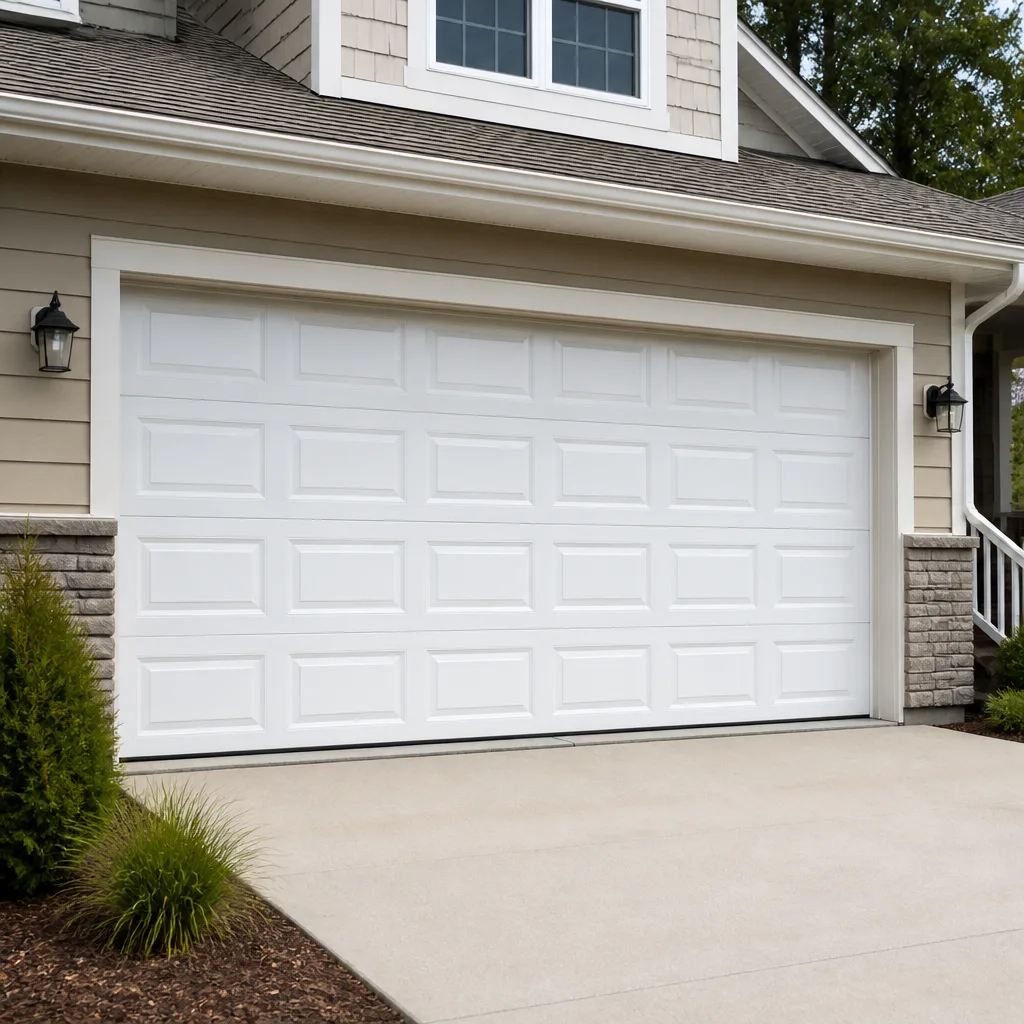 Raised-panel steel
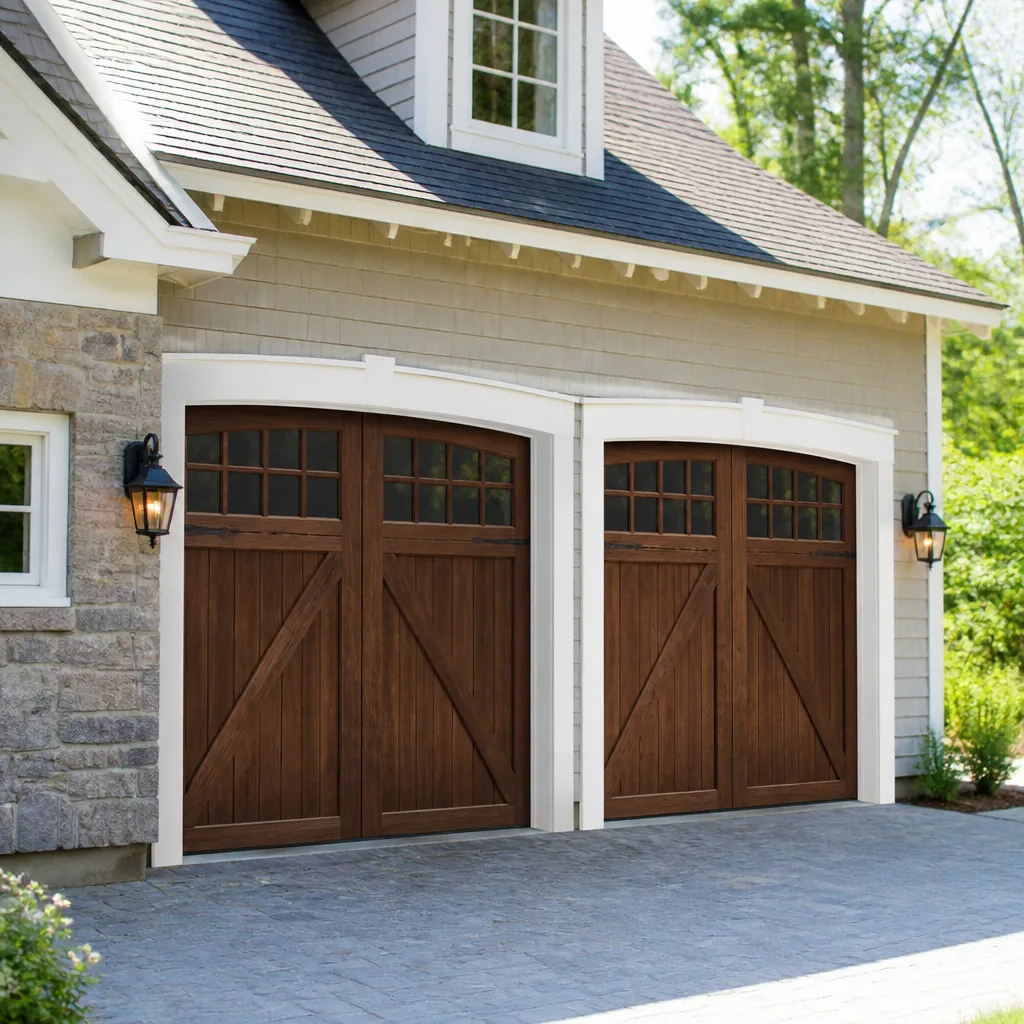 Carriage house
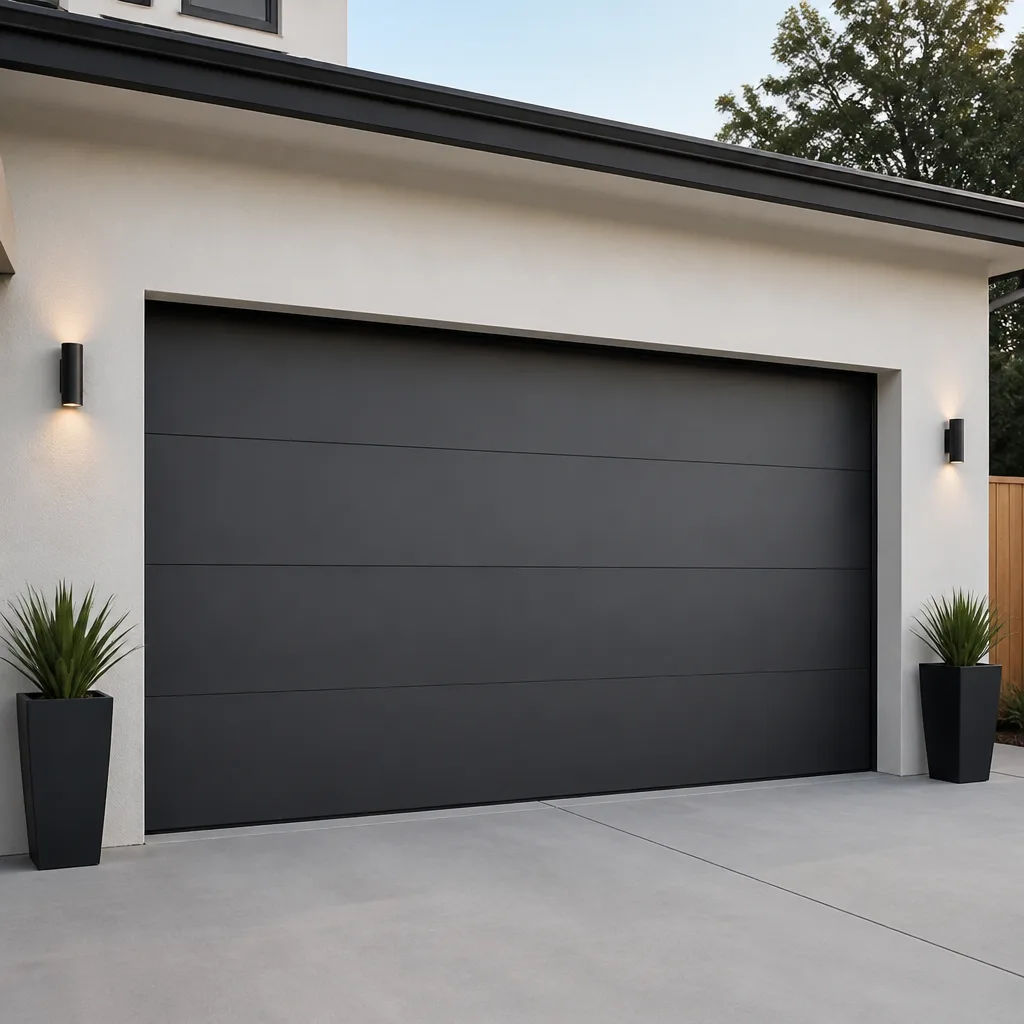 Modern flush
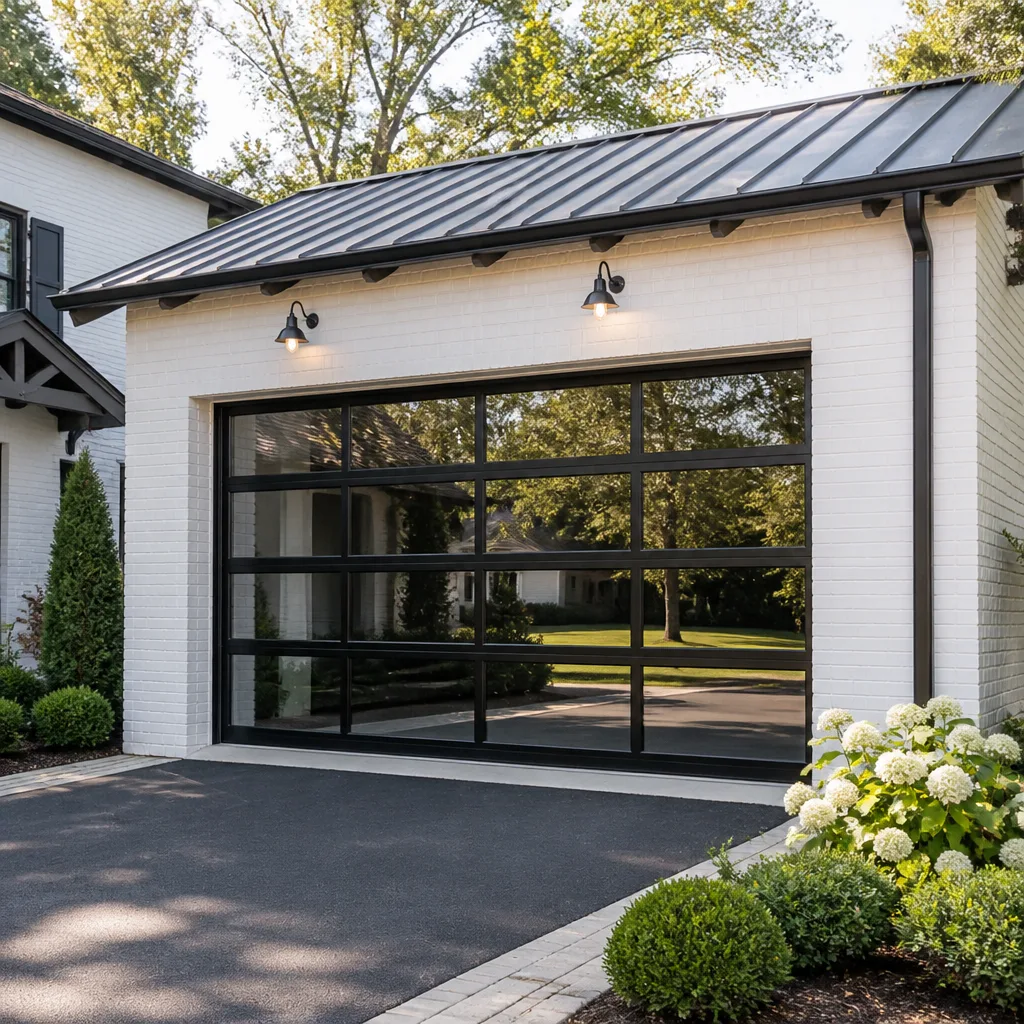 Full-view glass
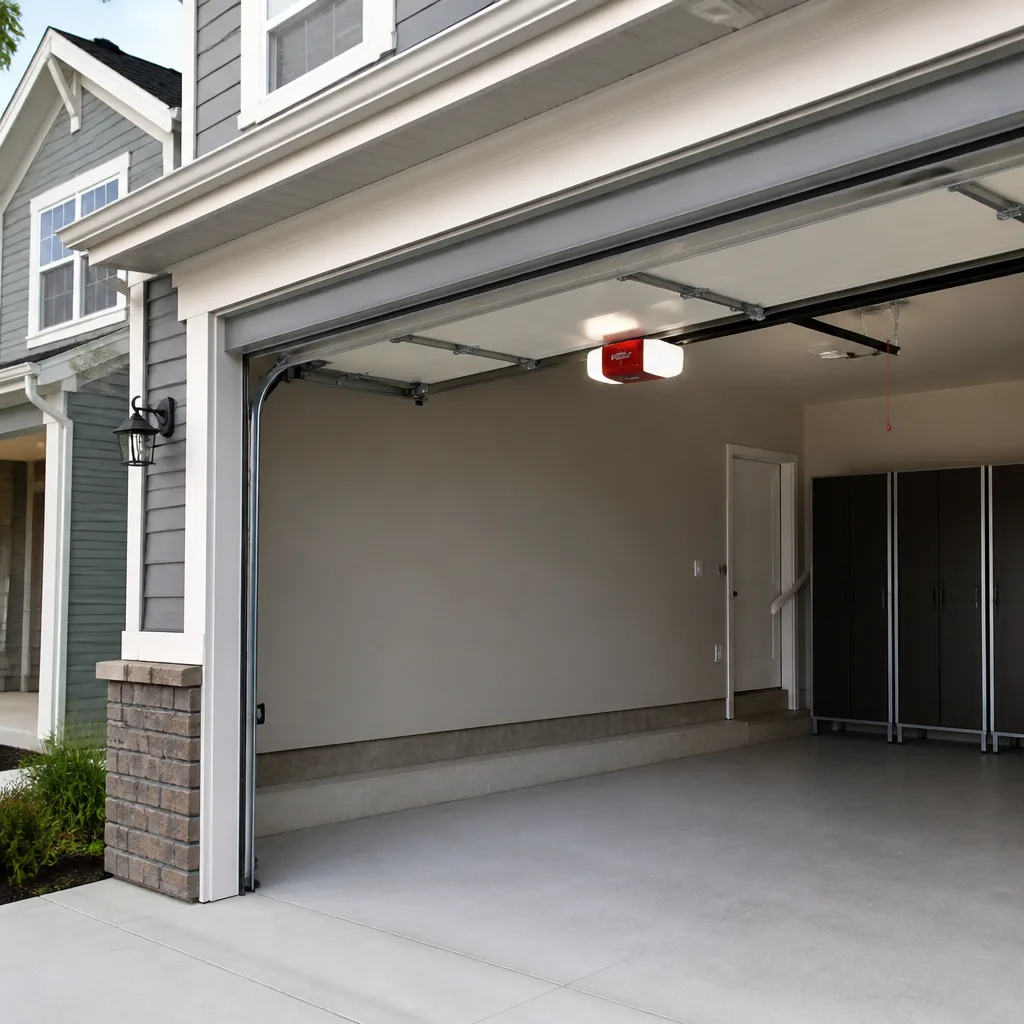 LiftMaster openers
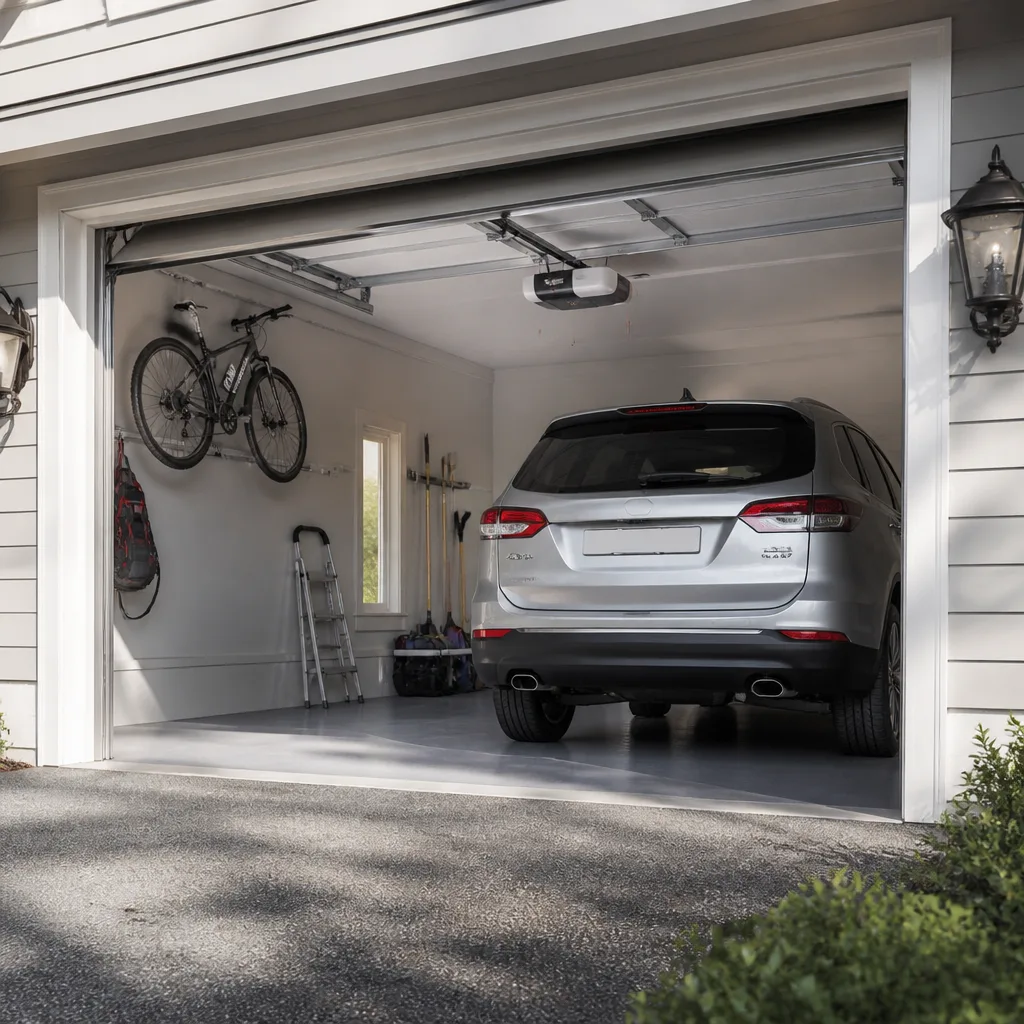 Chamberlain openers
Full 25-point door and opener safety check with every visit - springs, cables, rollers, tracks, and your LiftMaster or Chamberlain opener included
You get a price before we start. It does not change when the pro arrives.
Get your free estimateGarage Door Emergency Preparedness Guide for Bethlehem Homes
Most homeowners think about their garage door twice: once when they buy the house, and once when it breaks. That order is backwards. The ten minutes after a garage door fails decide how bad the rest of the day gets, and the single biggest factor in those ten minutes is whether you already know where the manual release cord is. In our experience, most people couldn’t find theirs in daylight, let alone at 11pm on a February night in Bethlehem. This guide covers what to do before, during, and after a garage door emergency, with the specific details that matter in this climate: frozen doors, storm outages, vehicle impacts, and the temporary fixes that hold until a technician arrives. Read it once, fill out the record card at the end, and keep it in the garage.
Quick Answer
A garage door emergency in Bethlehem is best handled by pulling the manual release cord (it hangs from the opener rail), lifting the door to the fully open position, and then lifting it the rest of the way and easing it back to the ground or a secure position under control. Then prop, block, or tape the door closed if the panel can’t shut, unplug the opener if it’s cycling, and call a specialist. Never try to repair a spring or cable yourself. The door weighs hundreds of pounds, and those parts are under load.
Styles & brands we work with
- Raised-panel steel
- Carriage house
- Modern flush
- Full-view glass
- LiftMaster openers
- Chamberlain openers
Table of Contents
- How Do You Safely Use the Emergency Manual Release?
- What If the Door Is Stuck Mid-Travel?
- Bethlehem’s Three Most Common Garage Door Emergencies
- How Do You Temporarily Secure a Door That Won’t Close?
- What Should You Do After a Vehicle Hits the Door?
- What Information Should You Have Ready Before Calling?
- Your Bethlehem Garage Door Emergency Record Card
- How Do You Prevent the Next Emergency?
How Do You Safely Use the Emergency Manual Release?
The manual release disconnects the door from the opener motor. It does not disconnect the door from gravity. That’s the fact most tutorials skip, and it’s why people get hurt. The door you’re about to release could weigh well over a hundred pounds and be held up by a spring system designed to counterbalance it. If the spring has failed, nothing is holding the door, and it can drop the moment the tension is released.
Here’s how to approach it without tools, in the order that keeps you safest:
- Check that no one is standing in the door’s path. Not under it, not beside the tracks, not inside the car waiting it out.
- Look at the door’s position. If it’s fully closed, the release is a manageable move. If it’s fully open, it’s more dangerous because you’re pulling the full weight of the door back down. If it’s stuck mid-travel, stop and read the next section.
- Grip the door firmly before you pull the cord. If it’s in the open position, hold it with one hand or rest your hip against it so it can’t slam down.
- Pull the cord at an angle toward the door. The release lever sits on the opener rail. Pulling it toward the door (rather than straight down) is the reliable motion on most LiftMaster and Chamberlain units, and it works on Genie openers too.
- Lower the door under control. Hand-over-hand, both hands on the bottom section’s frame, not the thin metal skin of the panel.
- Reconnect only after the door is repaired. Don’t force the opener to pull the door back up once it’s disconnected.
Practice this motion once on a warm day. It takes thirty seconds, and it’s the difference between understanding it in theory and knowing your specific release lever’s position and resistance. If you can’t get the door to a closed, secure position at all, that’s when you pick up the phone.
What If the Door Is Stuck Mid-Travel?
A door frozen halfway up is the trickiest emergency position because the manual release doesn’t fix it. Pulling the release mid-travel hands you the door’s whole weight with no baseline to work from. It may drop, or it may stay stuck in the tracks, and both outcomes create hazards.
What to do: push the door a few inches in either direction by hand to see if anything moves freely. If it moves, walk it down slowly, one panel at a time, keeping both hands on a solid frame member. If it doesn’t move, or if it moves and then binds partway, leave it. Prop it in place with a ladder, a broom handle wedged against the rails, or a heavy object set against the inside face of a panel. Then call.
Don’t try to walk a binding door down by forcing it. A door that binds usually has a bent track, a worn roller, or a distorted hinge, and forcing it can pull the track off the framing and bring the entire door down. This is the point where a general handyman is out of their depth, and where familiarity with your door’s hardware pays off. Our technicians work on Clopay and Amarr doors, Wayne Dalton, Raynor, and Craftsman systems, and lead with the specific brand because the track profiles and roller configurations differ enough that it matters.
Bethlehem’s Three Most Common Garage Door Emergencies
Bethlehem’s climate creates a particular set of garage door failures that warmer cities don’t see. Below-zero nights, hard freezes in January and February, and nor’easters that knock out power are routine. So are the older, sometimes unheated garages that make up much of the housing stock in the South Side, Fountain Hill, and the West Bethlehem blocks off Schoenersville Road. Those garages don’t stay warm enough to protect a door from the cold, and the door doesn’t protect them from the consequences.
Power Outage During a Winter Storm
When the transformer goes, the opener is dead and the door won’t move on its own. Pull the manual release and the door is manageable by hand, provided the springs are intact. The problem is that people pull the release in the dark, can’t see the door’s position, and end up fighting it. Keep a flashlight mounted beside the release cord. If the springs are broken, don’t release the door at all. Call a technician and keep the door where it is.
Door Frozen to the Ground
An overnight thaw followed by a hard freeze refreezes the bottom weather seal to the concrete. The opener strains, the door lifts at the edges, and people force it. Don’t. Break the bond with warm water poured along the seal, or a plastic scraper, never metal, worked gently under the bottom section while the opener is off. Force it and you’ll separate the bottom retainer from the panel, which is a real repair. If a door is frozen shut repeatedly, that’s usually a weather seal that needs replacing, a separate job from an emergency.
Vehicle Impact
Backing into a door happens often in Bethlehem, particularly on the older, tighter driveways near Main Street where parking and door clearance get close. Handle this one before you move the car. Don’t open or close the door, because a bent track can bind and twist the door off its hinges. Unplug the opener so nobody cycles it by accident. Then walk the perimeter of the frame and photograph everything from several angles. If the door is partially knocked out of the tracks, don’t try to walk it back in with your hands. The door’s sheets of metal under load can buckle. Leave it and call.
For any scenario that turns into a full spring or opener failure, our garage door repair line handles same-day calls, and a genuine emergency is what the phones are for. If the failure is in the opener motor or the wall control, that’s a different job, and we handle it through garage door opener repair.
How Do You Temporarily Secure a Door That Won’t Close?
An open garage door at night is a security problem and a weather problem at the same time. The goal is to make the opening physically impassable and visually blocked, without creating a new hazard that could hurt someone or damage the door further. You probably have everything you need in the garage.
- Ladder and crossbar. A stepladder laid on its side across the inside of the opening, with a broom handle or a piece of lumber spanning the tracks, blocks entry at mid-door height. Wedge it so it can’t slide.
- Heavy furniture or bins. Push a heavy recycling bin, a storage shelf, or a garden cart against the inside of the opening. Two or three stacked and taped together add height.
- Plywood or a sheet panel. If you have a spare sheet of plywood, screw it to the door’s inner frame temporarily. Never screw into the aluminum door panels themselves; they’re thin and the screws will pull out under any force.
- Padding under any prop. Move anything hard-edged that touches the door. A fallen ladder that swings into the door at 2am is a second repair.
- Unplug the opener. An opener that cycles on its own while you’re bracing is dangerous. Pull the plug or flip the breaker.
Then tape a note to the wall control: “DO NOT OPERATE.” A family member, a neighbor, or a delivery person who presses the button on instinct undoes your work in two seconds.
What Should You Do After a Vehicle Hits the Door?
Stop the vehicle. Put it in park, set the brake, and leave it. Don’t try to reverse out and inspect the damage from the driver’s seat. The door may be sitting on the vehicle’s roof or hood and reversing will pull it further into the tracks.
Walk around the outside of the door and the frame and look for three things: whether the horizontal track has separated from the wall brackets, whether the vertical track on the impact side is bent inward, and whether the door’s panels are still engaged in the tracks. If any of those are wrong, the door is unsafe to operate. Unplug the opener, brace the opening if the door is over the car and can’t be moved, and call.
Insurance photos matter, so take them from every angle before anyone touches the door: the door face, each track, the frame, the ceiling mounts, and the opener assembly. Keep the estimate from the technician on file. For a door that’s damaged beyond repair, we handle the replacement side as well, and our garage door installation process starts with a free measure and a written price, not a same-day promise. Installation is scheduled work, and it should be.
Structural damage to the frame, especially on an older garage, may need a contractor’s eyes before a new door goes up. We can tell you during the estimate whether the framing is sound enough to hang a new door.
What Information Should You Have Ready Before Calling?
The single biggest time-saver in an emergency is knowing your door’s make, model, and size before you call. A technician who knows what they’re walking into can bring the right spring, roller, or panel on the first trip. A technician who doesn’t will make a second trip or reschedule.
Have this ready:
- The opener’s brand and model. It’s printed on the back or under the light cover on most units. This is what tells us whether it’s a LiftMaster, a Chamberlain, a Genie, or something else, and it determines the remote and wall control compatibility.
- The door’s brand. Usually on a sticker inside the door panel or on the bottom section’s frame. Clopay, Amarr, Wayne Dalton, Raynor, and Craftsman all place it in slightly different spots, so take a photo of the sticker rather than reading it aloud.
- Door measurements. Width and height, inside the frame, in inches. A tape measure across the opening at the widest point and from the floor to the header.
- What the door is doing. “It’s stuck halfway and won’t move,” “It came off the tracks on the left side,” “The opener runs but the door doesn’t lift,” “I heard a loud bang and now it’s hanging.” Plain language beats diagnosis.
- Photos. The door face, the springs above the door, the opener unit, and any obvious damage. Send them before the call if you can.
- Whether anyone has been hurt. If the door has pinned anyone, call 911 before anything else.
Our technicians have up to 15 years of experience, and most of the calls that go smoothly are the ones where the person on the phone gave the technician a head start with photos and a brand name. That’s not a sales pitch, it’s just how the trade works. Call (833) 468-5855. We answer 24/7. Fast dispatch from 7am to 7pm, Sunday through Friday.
Your Bethlehem Garage Door Emergency Record Card
This is the most useful thirty minutes you’ll spend on your garage door this year. Fill out the card below, print it, and tape it to the inside of the garage near the wall control or the manual release cord. Laminate it or slide it into a gallon bag so the damp Bethlehem winters don’t destroy it.
- Manual release location. Describe it in one line: “hangs from the opener rail, twelve inches from the motor.” If you have a second door, a second card.
- Door brand and model. From the sticker. Add the sticker’s location if it’s hard to find.
- Door size. Width and height in inches.
- Spring type. Torsion (the coiled spring on the shaft above the door) or extension (the springs that run along the horizontal tracks). If a spring has a color code painted on it, note it.
- Opener brand and model. From the label on the unit. Note the year of manufacture if it’s printed.
- Emergency contact. Bethlehem Garage Door Repair Pros, (833) 468-5855. Add whether you have a preferred technician, and any gate code or access note for the driver.
- Shutoff location. Which breaker controls the opener, and where the plug is.
Fill it out this week, not the next time the door fails. The one exception to the “no tools” advice in this guide: if you’re not comfortable getting close to the springs to read them, that’s fine. Leave that field blank and let the technician fill it in at the next service call. A torsion spring under tension can cause serious injury if it lets go, and no record card is worth that risk.
How Do You Prevent the Next Emergency?
Most garage door emergencies have a warning period measured in weeks. If you know what to listen for, you can schedule the repair instead of paying for a same-day call. We’ve seen enough of these to recognize the pattern.
- Test the door’s balance once a season. Disconnect the opener, lift the door halfway by hand, and let go. If it holds, the springs are balanced. If it sinks or rises, the springs are out of adjustment and should be serviced.
- Listen for the bang. A single loud bang from the garage usually means a torsion spring has let go. It’s not an explosion. It’s a spring. Don’t touch it, and call.
- Watch the bottom seal. A curling or cracked seal admits water that freezes and sticks. Replace it before the first freeze.
- Clear the tracks. Small stones and grit from the driveway collect in the bottom of the vertical tracks and cause the door to bind. A vacuum nozzle handles most of it.
- Grease the rollers and hinges lightly. White lithium grease on the hinges and a dedicated roller lubricant on the rollers, never on the tracks themselves. Tracks stay dry.
- Test the safety reverse twice a year. Put a roll of paper towels in the door’s path and let the door close. It should reverse. If it doesn’t, the door has a safety failure and shouldn’t be used until it’s fixed.
Prevention is where a routine garage door service in Bethlehem pays for itself. A twenty-minute tune-up catches most of the failures that turn into emergencies, and it’s cheaper than the emergency call.
Common Mistakes to Avoid
- Pulling the manual release on a door with a broken spring. The release disconnects the motor, not the door’s weight. Without an intact spring, the door can drop the moment it’s released, and that’s a serious injury risk.
- Forcing a frozen door. The bottom seal bonds to the concrete on a hard freeze in Bethlehem, and forcing it can tear the bottom retainer from the panel. Break the ice with warm water first.
- Trying to repair a torsion spring or cable yourself. These parts are under constant load and store enough energy to break bones. Leave it to a trained technician, every time.
- Operating the opener after the door has come off the tracks. The motor will pull against a jammed track and twist the door further. Unplug the opener before anything else.
- Relying on a general handyman for a track or spring job. A garage door is its own mechanical system with its own tools and techniques. A specialist isn’t a luxury; it’s the right call for the job.
- Ignoring a safety reverse failure. If the door doesn’t reverse when it senses an object, it’s unsafe until repaired. No exceptions.
- Not having an emergency contact on hand. Searching for a repair number at 11pm on a frozen night wastes the one thing you don’t have. Program the number into your phone now, and keep the record card in the garage.
See the difference
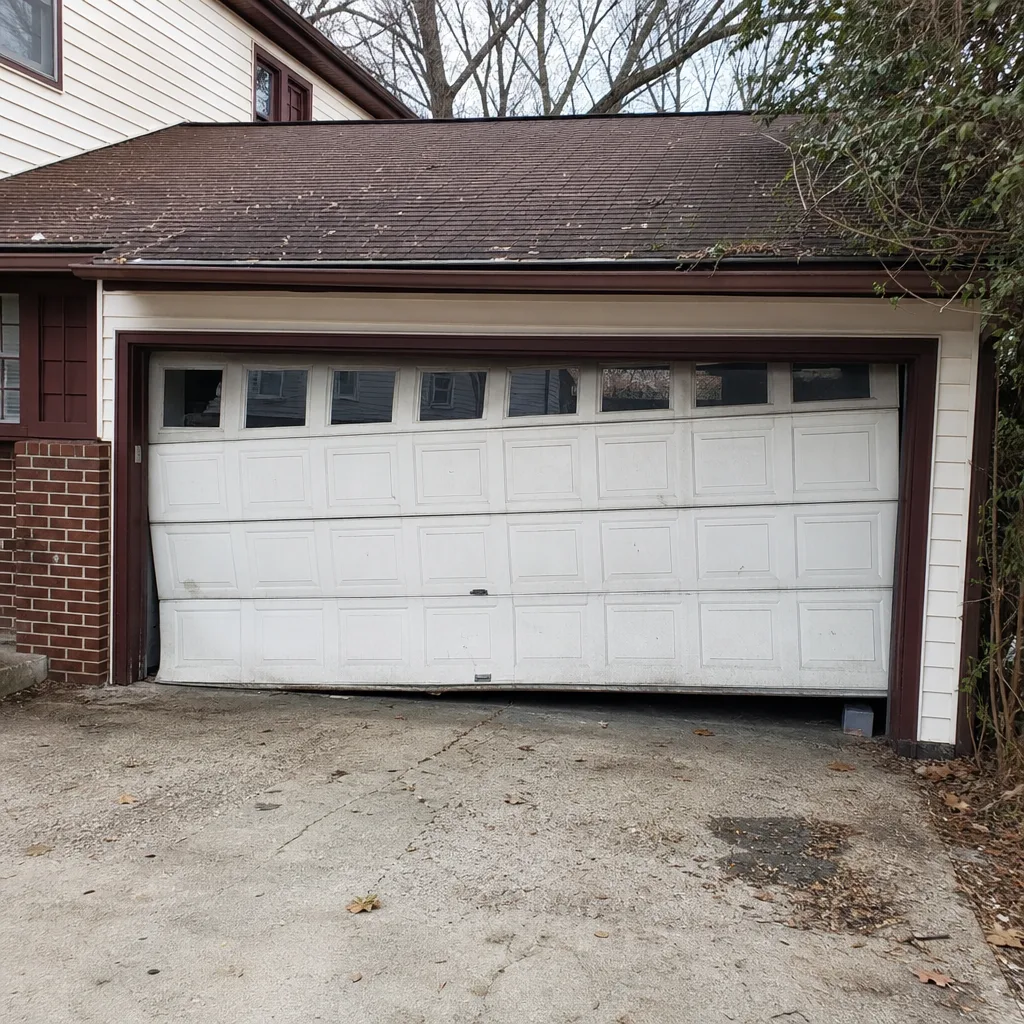 Before
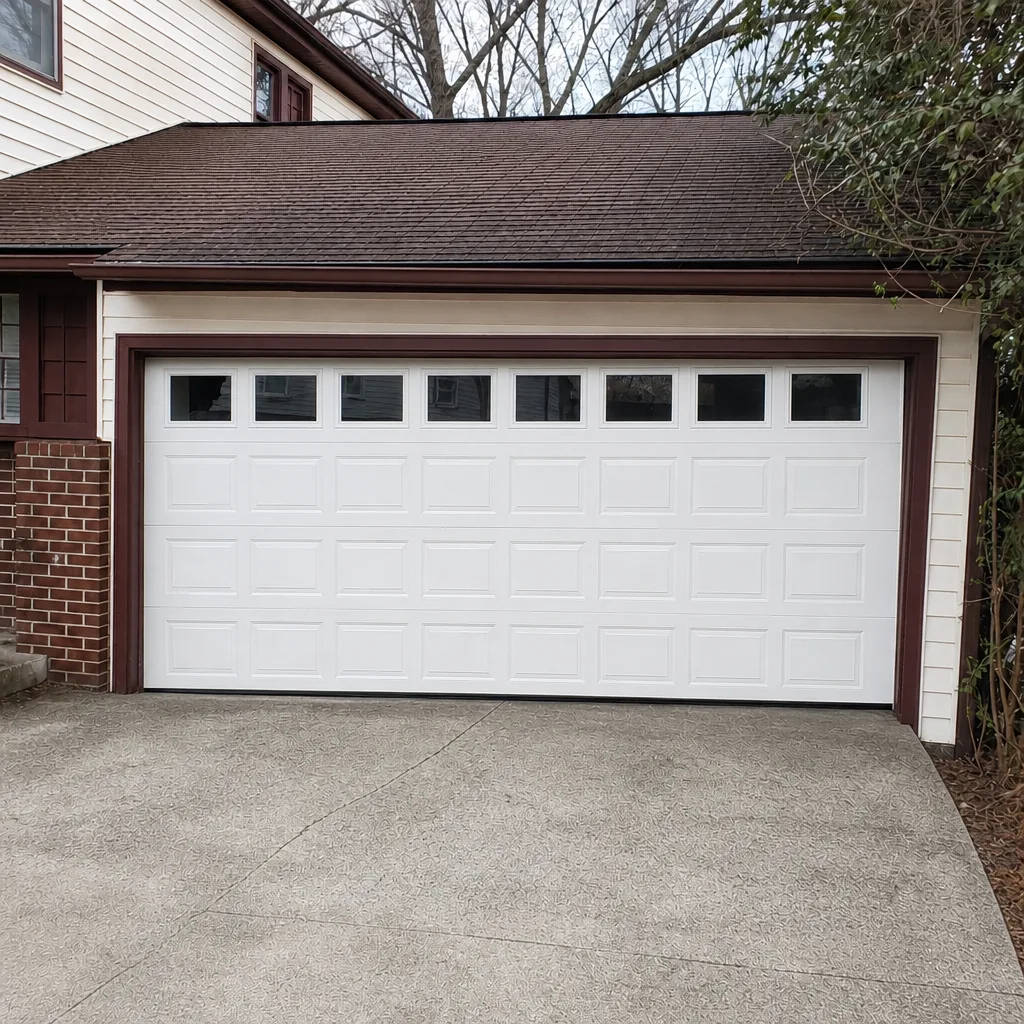 After
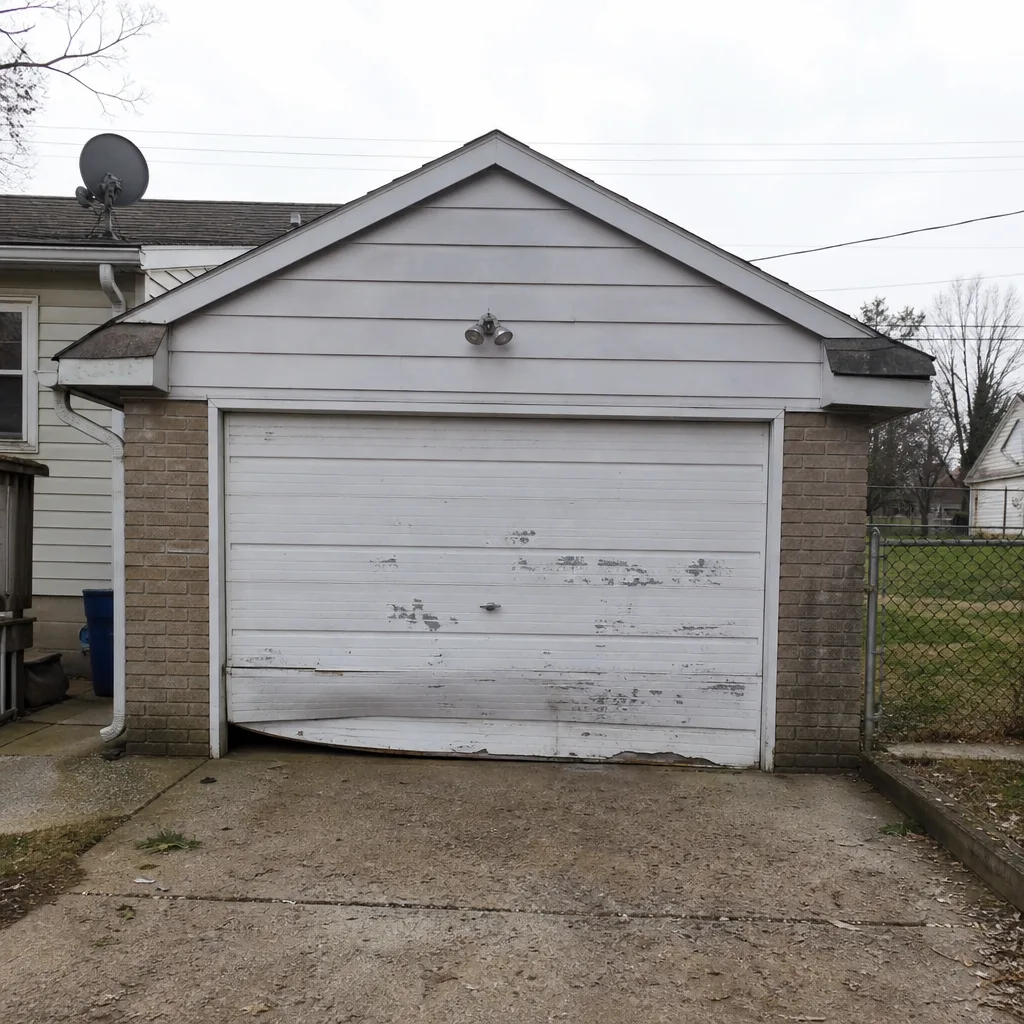 Before
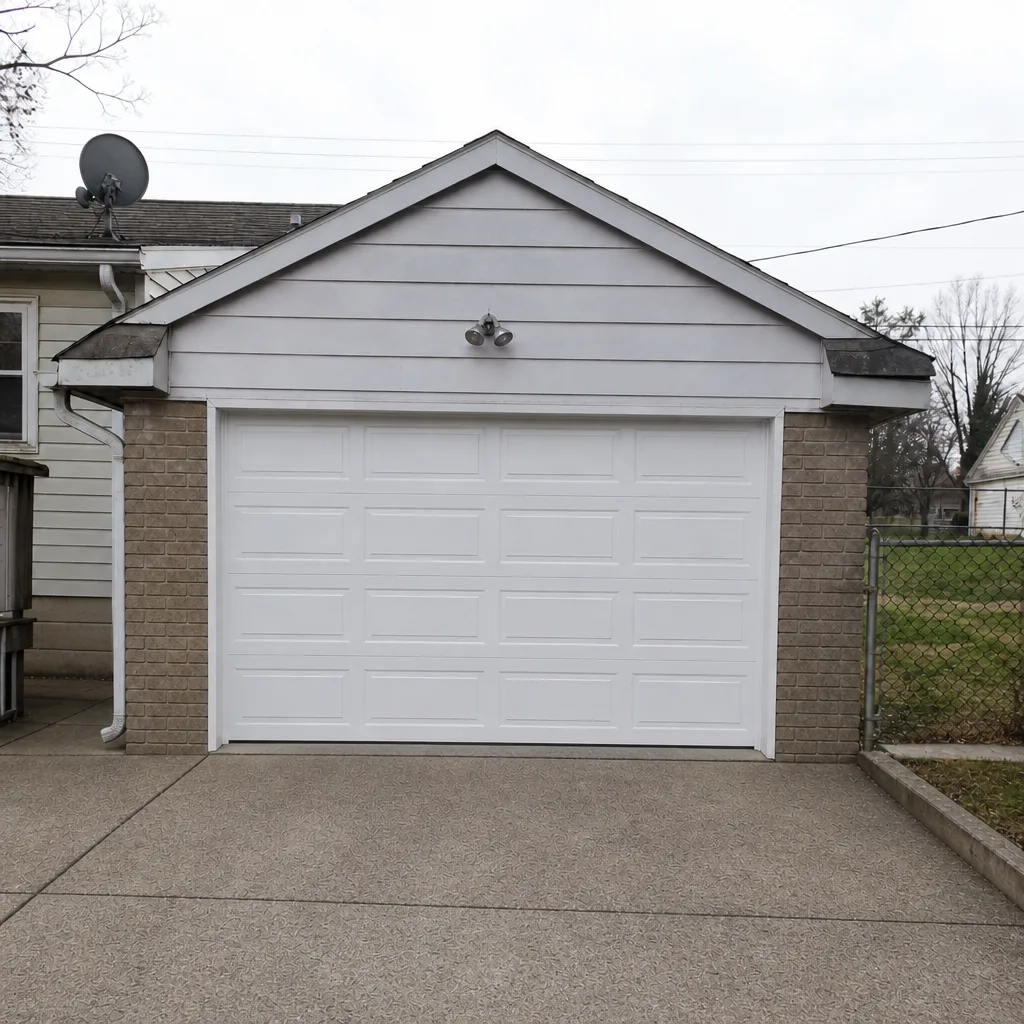 After
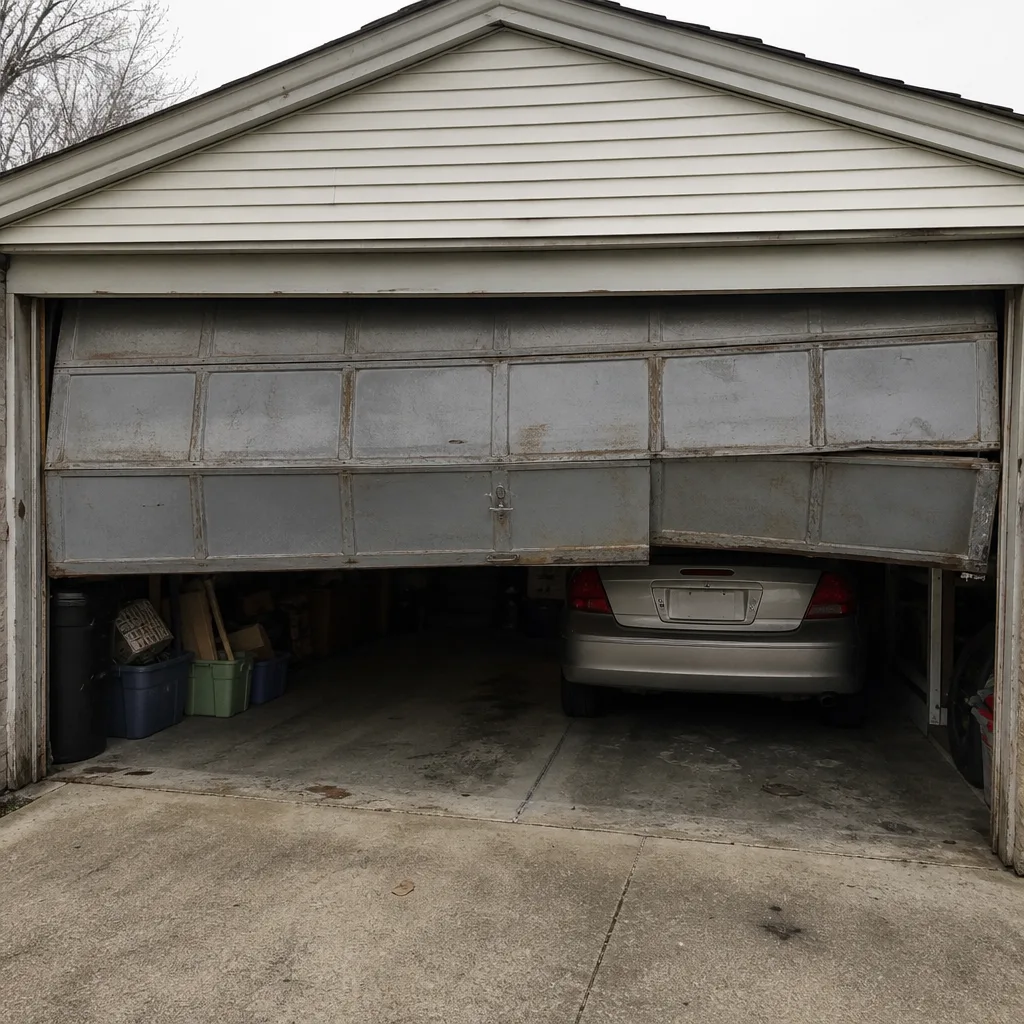 Before
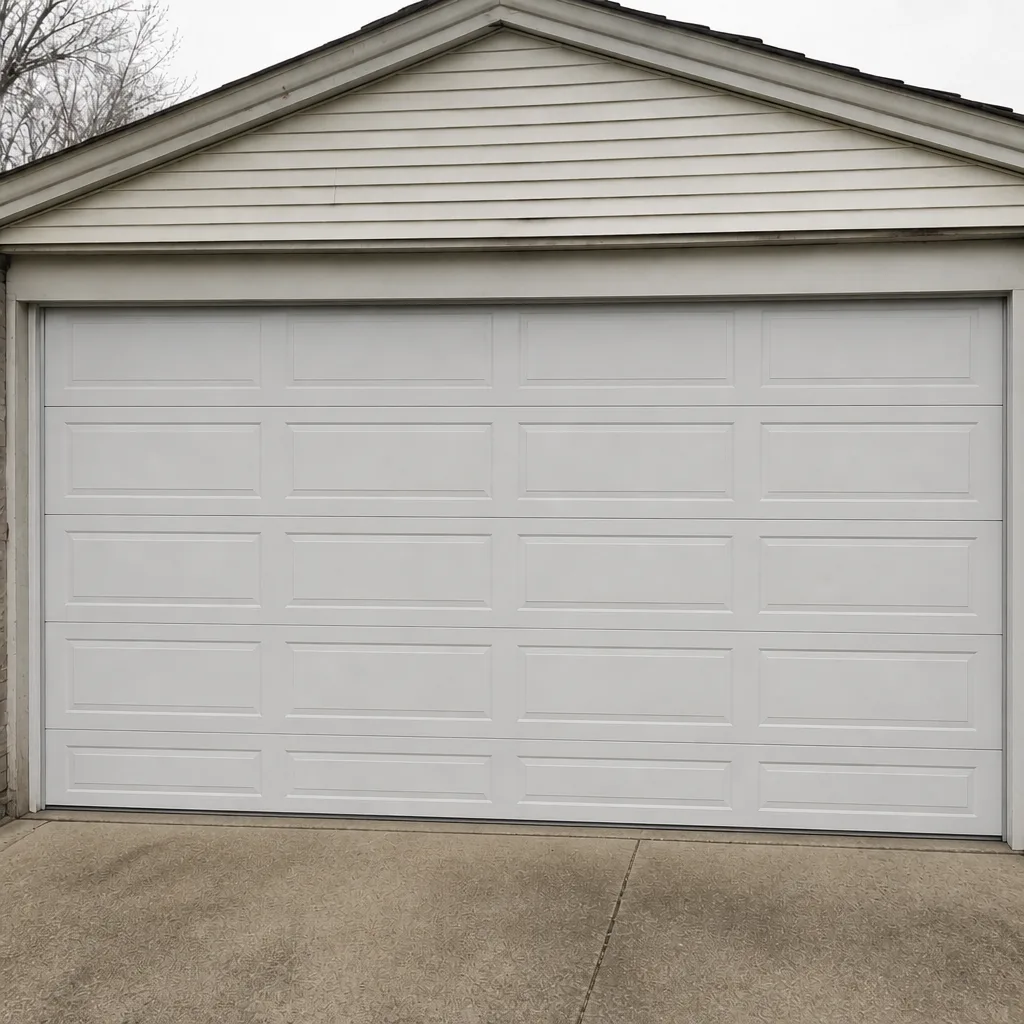 After
When to Call a Professional
Call a specialist when the door’s operation has become unpredictable, when it’s off the tracks, when a spring or cable has failed, or when the door has been struck by a vehicle. Don’t wait for the problem to resolve itself. The repairs we handle same-day in Bethlehem are the ones where someone acted on the first sign rather than the third. Call if the door is stuck open and you can’t secure it, if the opener cycles but the door doesn’t move, or if you’ve heard a spring break. Our technicians have up to 15 years of experience and work on all eight leading brands, so there’s no “we don’t service that model” dead end. Bethlehem Garage Door Repair Pros offers free estimates in Bethlehem. Call (833) 468-5855. We answer 24/7. Fast dispatch from 7am to 7pm, Sunday through Friday. If you call outside dispatch hours, your call is booked into the next opening.
Frequently Asked Questions
Disconnect the opener and check whether the door moves freely by hand, because that tells you whether the problem is in the door or the motor. If the door moves smoothly, the issue is likely in the opener, the safety sensors, or the wiring. If it binds, it’s in the tracks, rollers, or springs. Unplug the opener, secure the opening, and call (833) 468-5855 for an exact quote. Estimates are free.
Yes, same-day garage door repair is a core service, and a door stuck open is a priority call. We answer 24/7, and fast dispatch runs from 7am to 7pm, Sunday through Friday. If you call outside those hours, we slot you into the next opening. The written estimate sets the price before any work starts.
The manual release cord hangs from the trolley on the opener rail, usually about six to twelve inches from the motor unit, and it’s often red. Pulling it disconnects the door from the opener. Make sure you’re holding the door before you pull it, because the release does not stop the door from falling.
No. A garage door spring is under constant high tension and stores enough energy to cause serious injury if it releases unexpectedly. Springs are dangerous, so leave them to a trained technician. This is one of the most mechanically hazardous repairs in a home.
No. The written estimate sets the price, and the price is quoted and agreed before any work starts. A technician may need to diagnose the door to quote it accurately, but the number you agree to is the number you pay for the scope of work described. Call (833) 468-5855 for a free estimate.
The local pro is licensed and insured as Pennsylvania requires, and we only connect you with vetted local professionals. Ask for the licensing details during the estimate if you want to see them. The call is free, and the quote is free. Call (833) 468-5855.
Put the car in park and leave it where it stopped, because reversing may pull the door further into the tracks. Unplug the opener, photograph the door and frame from several angles, and don’t operate the door until a technician has checked the tracks and panels. Call (833) 468-5855 to book a free estimate.
The Bottom Line
A garage door emergency in Bethlehem rewards preparation and punishes improvisation. The decisions that matter most are made before the door fails: knowing where the manual release cord is, knowing your door and opener’s brand, keeping an emergency contact card in the garage, and understanding which repairs are yours to attempt (none involving a spring) and which belong to a specialist. The temporary fixes in this guide keep a failed door secure and the house protected until a technician arrives. Fill out the record card this week, test the safety reverse, and program (833) 468-5855 into your phone. For a full new door, installation is measured, ordered, and scheduled, so start the conversation early. For a snapped spring or a door off its tracks, call now. We answer 24/7, with fast dispatch from 7am to 7pm, Sunday through Friday.
Written by the team at Bethlehem Garage Door Repair Pros.