
Last updated November 22, 2026
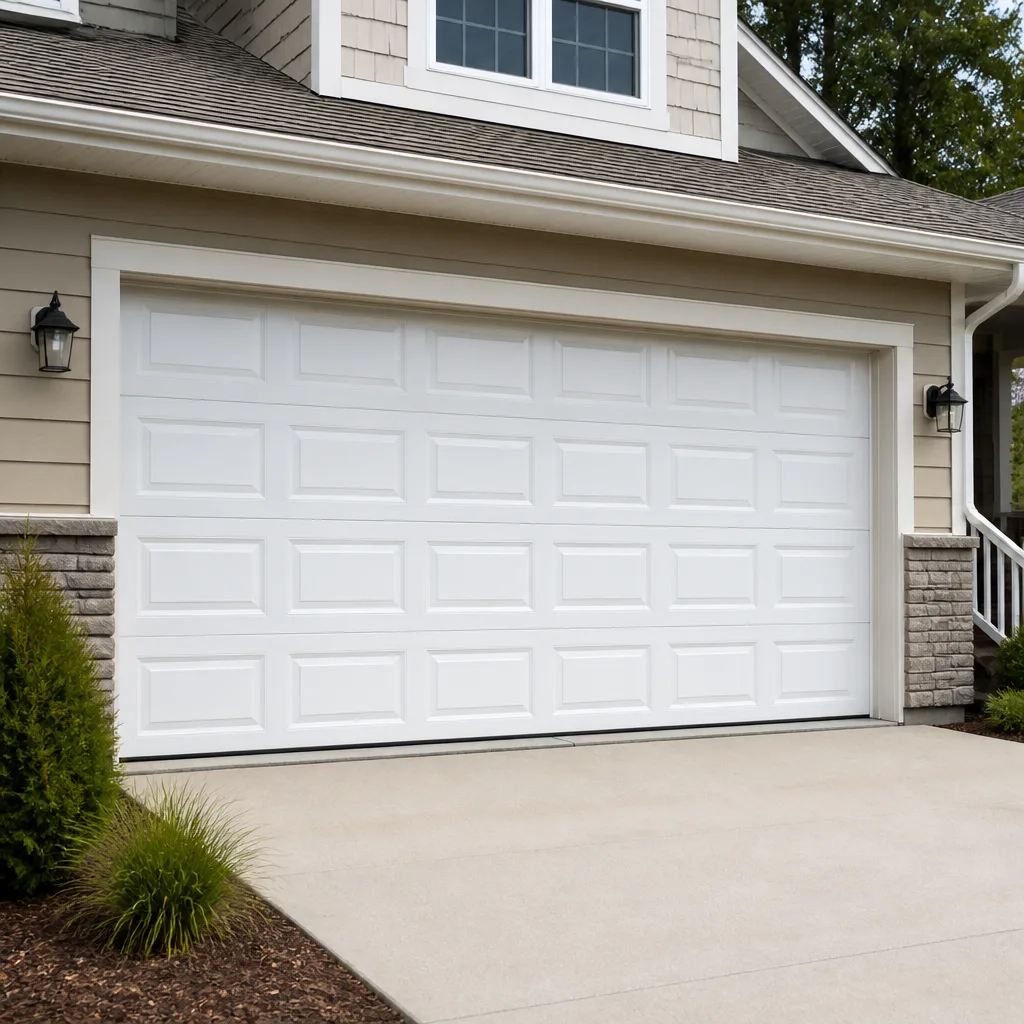 Raised-panel steel
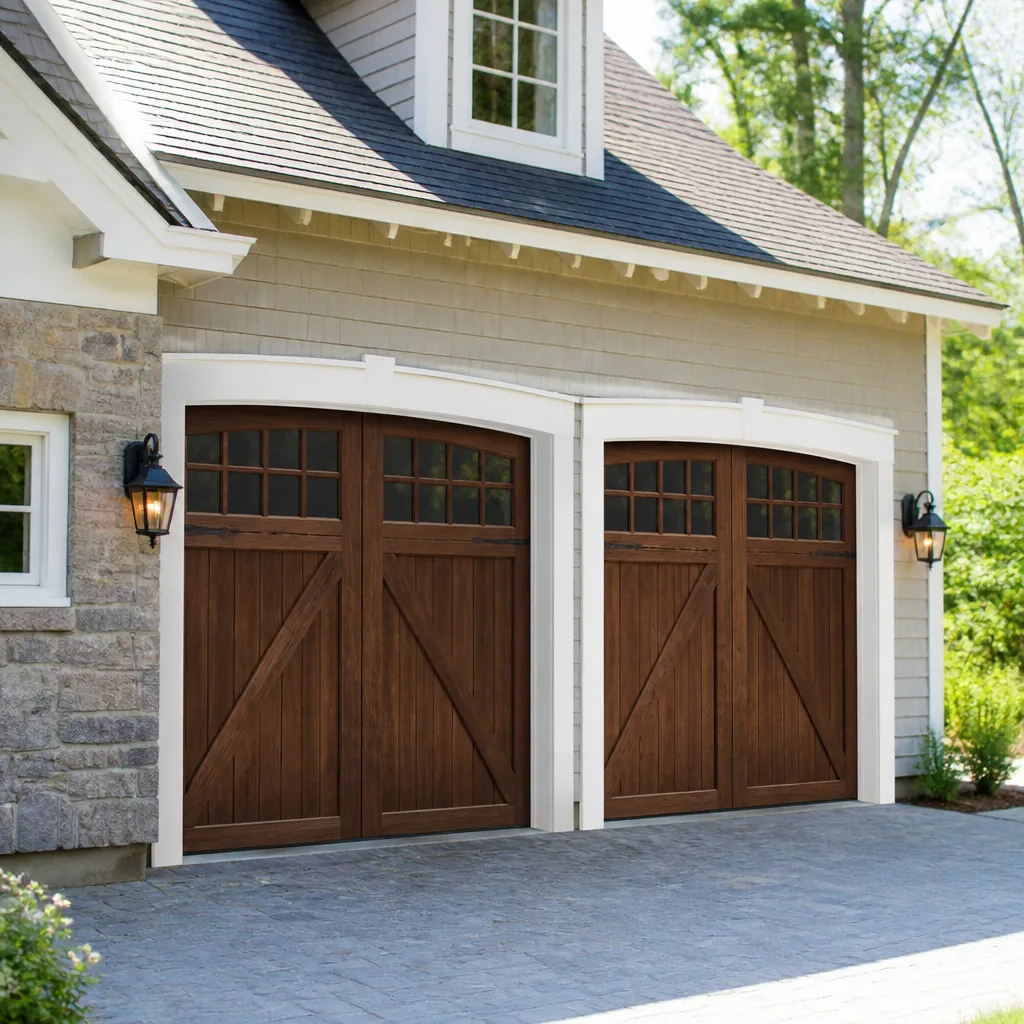 Carriage house
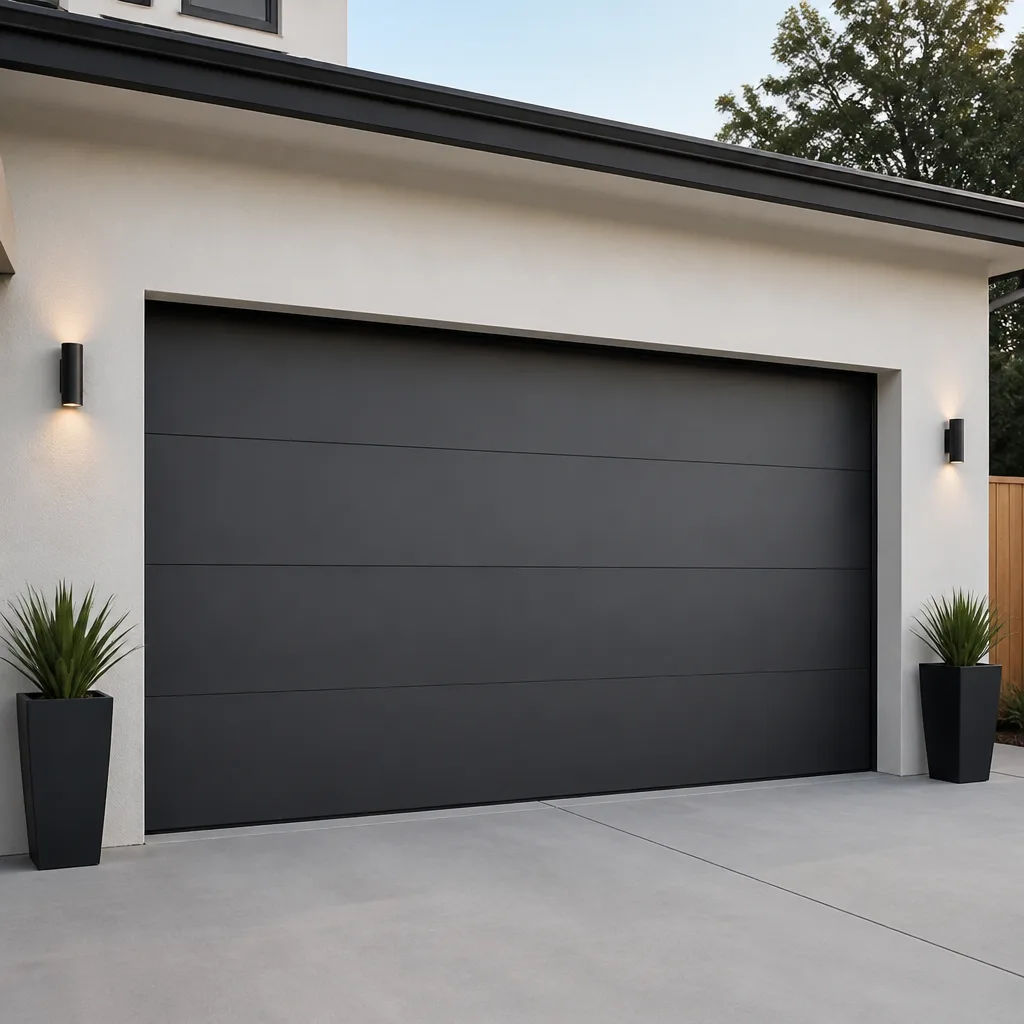 Modern flush
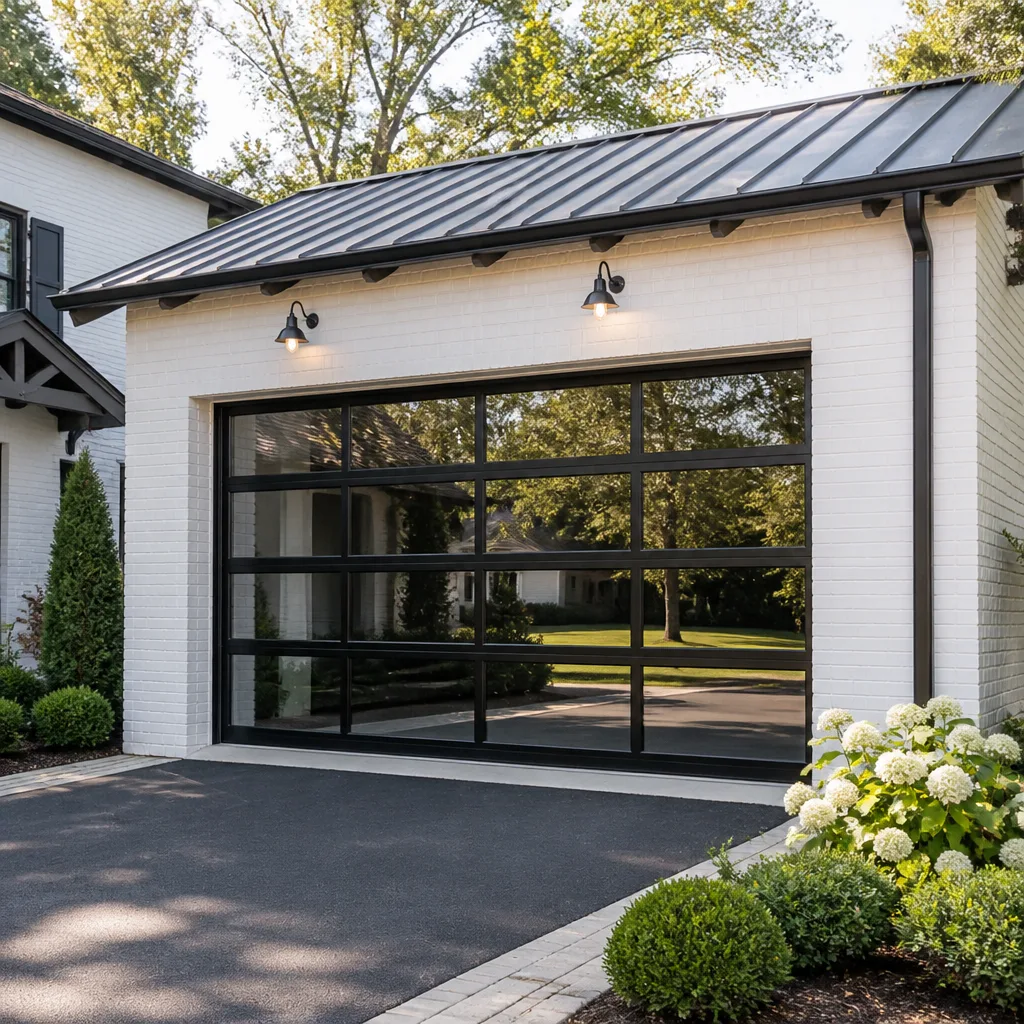 Full-view glass
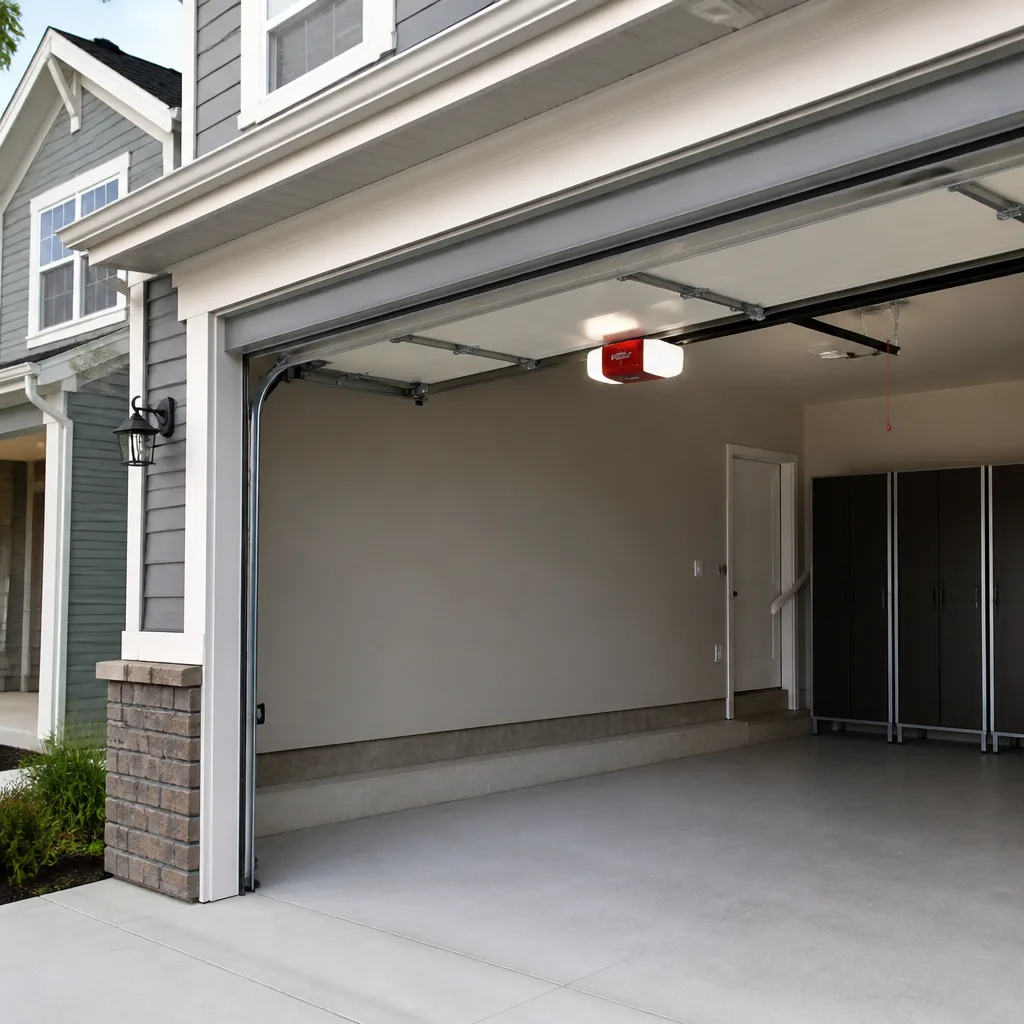 LiftMaster openers
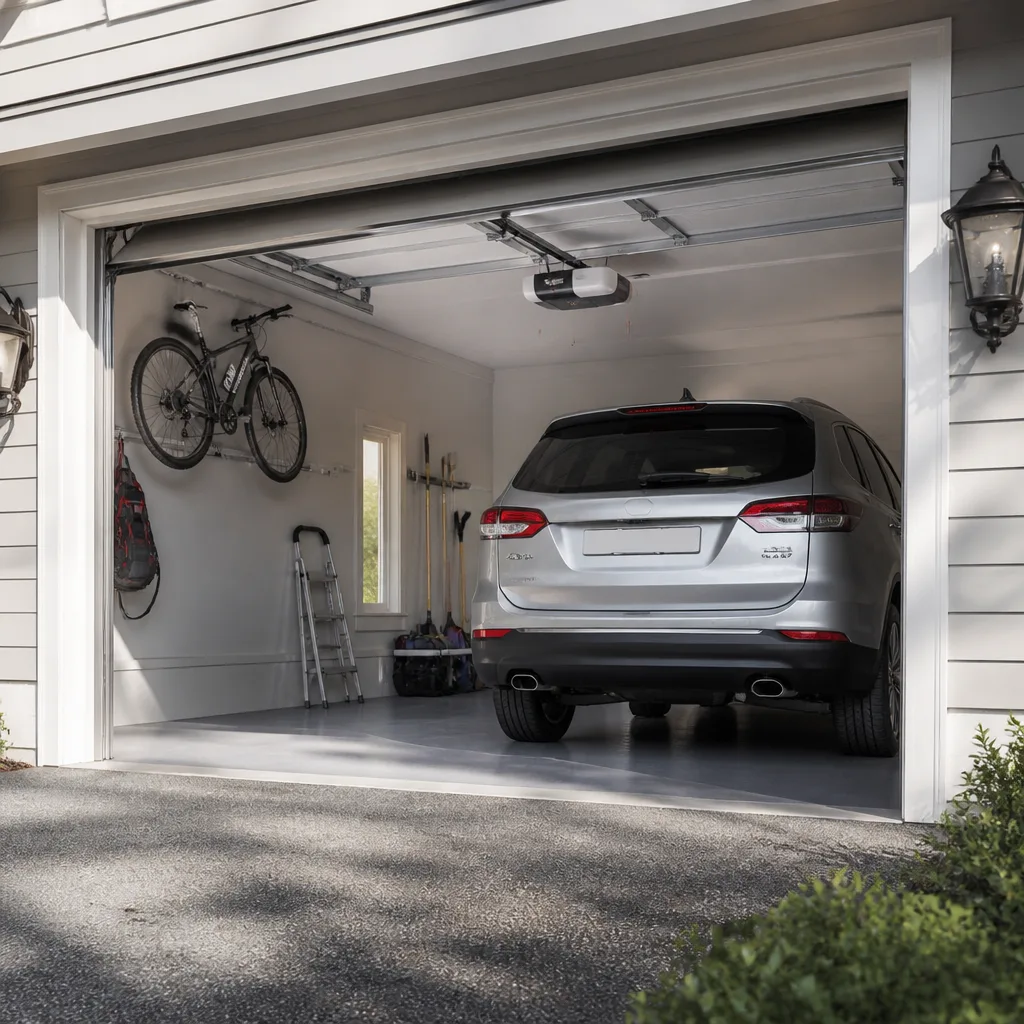 Chamberlain openers
Full 25-point door and opener safety check with every visit - springs, cables, rollers, tracks, and your LiftMaster or Chamberlain opener included
You get a price before we start. It does not change when the pro arrives.
Get your free estimateGarage Door Permits, Codes & Inspections in Bethlehem, PA: What You Need to Know
Most Bethlehem homeowners assume a building permit is reserved for kitchens, additions and decks. Garage doors get filed under “equipment,” not construction. That assumption holds up for a snapped spring or a dead opener, but it falls apart the moment a door and its framing change. If you sell your Bethlehem home and an unpermitted garage door replacement is flagged during inspection, you can be required to remove and reinstall the door correctly, at your expense, before closing. This guide walks through exactly which garage door projects in Bethlehem need a permit and which don’t, how the City of Bethlehem Department of Building Standards handles applications, what the Pennsylvania Uniform Construction Code expects from an attached-garage door, what an inspector actually looks at, and how unpermitted work can complicate a homeowner’s insurance claim.
Quick Answer
In Bethlehem, Pennsylvania, a new garage door installation and a full door replacement generally require a building permit through the City of Bethlehem Department of Building Standards, while a spring replacement, an opener swap or a single panel repair typically does not. Attached garages fall under the Pennsylvania Uniform Construction Code, which means the door separating the garage from living space is checked as a fire-rated assembly, so the door’s rating and hardware have to match what the code requires for that opening. Permits are a smaller, slower part of the job than most homeowners expect, and skipping them costs more later than pulling them does now.
Styles & brands we work with
- Raised-panel steel
- Carriage house
- Modern flush
- Full-view glass
- LiftMaster openers
- Chamberlain openers
Table of Contents
- Which garage door projects need a permit in Bethlehem?
- Which garage door projects don’t need a permit?
- How do you apply for a garage door permit in Bethlehem?
- What does the Pennsylvania UCC require for an attached garage door?
- What does a garage door inspection actually check?
- How does unpermitted work affect insurance and resale?
- How do you prepare so the inspection doesn’t delay your project?
- Common mistakes to avoid
Which garage door projects need a permit in Bethlehem?
Anything that changes the door opening itself, or introduces a new door where none existed, is treated as construction, not maintenance. That’s the clean line to remember. In Bethlehem, the projects that typically require a permit are the ones where structure, framing or the code-regulated fire separation between garage and house is touched.
- New installation: building a garage where there wasn’t one, or adding a door opening to an existing wall.
- Full replacement where the opening changes: resizing a single door to a double, widening an opening, or replacing a header or the framing around the door.
- Replacing a door on an attached garage where the fire-rated assembly changes: the door that separates the garage from living space is part of a code-regulated separation, and its rating matters.
- Converting a garage into living space with a new door configuration: any change that alters how the garage is enclosed.
A like-for-like replacement in the same opening, same size, same operation is a grayer area, and it’s worth a direct call to the Department of Building Standards before you order anything. In our experience, the answer comes down to whether the door’s rating or the framing is changing. Garage door installation quotes should include a line about whether a permit is needed, because a good estimate accounts for that step before the door arrives. If a company never asks whether your garage is attached, the conversation is already incomplete.
Which garage door projects don’t need a permit?
Repairs that leave the opening and the door’s structure alone typically don’t require a permit. Springs, cables, rollers, hinges, tracks, openers and single panels are maintenance and repair, not construction. Homeowners in Bethlehem ask us this constantly, and the answer is almost always the same: no permit needed.
- Spring replacement: even a matched pair, related to a spring breaking is a repair. Springs store enormous tension, which is why the work belongs to a trained technician, but a permit isn’t part of it.
- Opener replacement or repair: a new motor, a new remote, a new wall button, or a repair to an existing opener. If you need it, garage door opener repair usually gets you moving the same day.
- Panel replacement: swapping a dented or cracked section for a matching one, with no change to the opening.
- Track, roller, hinge and cable repair: all repair work, none of it structural.
- Adjusting a door that’s out of balance: a repair to an existing system.
One exception deserves its own flag. If the garage door is attached to the house and the fire-rated door is being replaced with a non-rated door of a different type, the fire separation is changing, and that pulls the work back toward permit territory. An attached garage in Bethlehem is a code-regulated space, not a separate shed. When we quote a repair, we ask whether the garage is attached because it changes the answer.
How do you apply for a garage door permit in Bethlehem?
You apply through the City of Bethlehem Department of Building Standards, and the process is the same one used for any residential construction project in the city. The application is the easy part. Having the right documents ready is what determines whether the review moves or sits. Here’s the sequence most homeowners follow.
- Confirm the scope in writing. Know exactly what’s changing: the opening dimensions, the door type, the operation, and whether the fire-rated assembly is involved. Your contractor should be able to spell this out.
- Gather the drawing and product documentation. For a garage door, that means an elevation or drawing showing the opening, plus the manufacturer’s product data. The door’s fire rating, if it’s on an attached garage, needs to be documented. Genie and Clopay both publish product literature that carries this information, and a contractor who works with the brand will have it on hand.
- Submit the application to the Department of Building Standards. Confirm the current forms and fees directly with the city, since these change and the city’s website is the source of truth.
- Wait for the review, then schedule the inspection. Residential permits of this size usually move quickly, but the inspection has to happen before the project is signed off. Call to schedule it once the install is essentially done.
- Keep the approved permit and the inspection record. This paperwork is what protects you at resale. File it with your home documents, not in a drawer in the garage.
Homeowners who try to file the permit themselves sometimes find the part that stops them isn’t the form, it’s the door spec. Manufacturers publish different ratings for different models, and the surrounding framing has to match. That’s the piece a garage door specialist handles as part of the job. We work from the door’s product data, not from memory, and our technicians have up to 15 years of experience with garage door systems specifically.
What does the Pennsylvania UCC require for an attached garage door?
The Pennsylvania Uniform Construction Code is the statewide building code that Bethlehem enforces through its Department of Building Standards. For residential garage doors, the requirement homeowners bump into most is the fire separation between an attached garage and the living space. The wall, the door and the hardware between them form a rated assembly, and the door is one of the components that has to hold up its end of it.
What that means in practice:
- The door that separates garage from house must meet a fire rating appropriate to that separation. A standard unrated door isn’t a substitute for a rated one in that position. Ask the city’s building department to confirm the exact rating that applies to your opening.
- The hardware matters. Hinges, seals, thresholds and the door’s closing function all contribute to whether the assembly performs as intended. A rated door hung with mismatched hardware is not a rated assembly.
- Self-closing and self-latching behavior applies to the door between the garage and the house. That’s the passage door, not the overhead door, but the same separation is what the overhead door protects.
- The overhead door’s operation has to be safe and reliable under the code the city enforces. Openers sold today carry entrapment protection, and the reversing function has to work. That’s checked during inspection and it’s the reason a cheap opener install on a heavy door doesn’t pass without adjustment.
If you’re working with a contractor on a full replacement, the UCC conversation should come up before the door is ordered. Amarr and Wayne Dalton both make rated and unrated models, and the model number matters. Our role is to make sure the door on the estimate is the door the code requires for that opening. If the answer is unclear, the City of Bethlehem Department of Building Standards is the authority, and a quick call resolves it.
What does a garage door inspection actually check?
The inspection isn’t a test of how the door looks. It’s a check that the work matches the approved permit and that the door operates safely. Knowing what the inspector looks at makes the walkthrough short and the outcome predictable.
- That the door matches the permit documents. Same model, same rating, same dimensions as the approved submission.
- That the fire-rated assembly is intact on an attached garage. The door between garage and living space, its rating and its hardware.
- That the door operates under power. It goes up, comes down, and stops where it should.
- That the opener’s safety reversing system works. The door reverses on contact with an obstruction, and the safety eyes on the sides of the opening interrupt the door when blocked.
- That the balance is correct. A door that’s badly out of balance puts excess load on the opener and doesn’t operate safely. This is a common finding on older doors.
- That the framing and fastening are correct. The track, the header and the mounting are secure.
In our experience, the two things that most often turn an inspection into a second visit are a door that’s out of balance and a safety reversing system that wasn’t adjusted after the install. Both are set-up items, not defects in the door, and both get handled during a proper install. The inspection is not a surprise test of your judgment. It’s a confirmation that the paperwork and the door agree.
How does unpermitted work affect insurance and resale?
This is the part most Bethlehem homeowners learn about too late. An unpermitted garage door replacement doesn’t announce itself. The door works, it looks fine, and nobody thinks about it until something goes wrong. Then the missing permit turns into a problem in two places: the claims process and the sale of the home.
On insurance, the issue is rarely the door itself. It’s what the door is part of. If a home is damaged and a claim is filed, the insurer’s adjuster is looking at whether the affected structure was built and changed according to code. A change to a rated fire separation that wasn’t permitted and wasn’t inspected creates a question about whether the assembly performs as required. The answer can affect how a claim is handled, and it isn’t a question a homeowner wants to be fielding while their house is already damaged. Every insurer’s policy and process differ, and we don’t speak for any of them. What we can say is that a permit and an inspection record remove the ambiguity before a claim ever exists.
On resale, the problem is documentation. A pre-listing inspection that flags an unpermitted door replacement hands the buyer a negotiation point. The remedy isn’t a phone call. Either the door comes down and goes back up correctly, or a buyer walks. The cost of pulling the permit at the time is smaller than the cost of fixing the paperwork later, and the inspection record is what lets the next owner see that the work was done right. When we write an estimate for a replacement, we flag permit requirements up front so homeowners can make that call with the full picture. Garage door repair on the door’s existing opening avoids the issue entirely, which is one reason a repair sometimes beats a replacement.
How do you prepare so the inspection doesn’t delay your project?
Preparation is mostly about clearing access and making sure the paperwork matches the door. A garage door inspection is quick, but it can’t proceed if the inspector can’t get to the equipment or if the door on the property isn’t the door on the permit. Here’s how to get ahead of it.
- Clear the garage floor. The inspector needs to walk under and around the door, and storage stacked in front of the tracks slows everything down. If you’re in the middle of a move or a clear-out, mention it when you schedule.
- Make sure the opener is powered and working. A dead breaker during inspection means a second visit regardless of the door’s condition.
- Test the safety reversing system before the inspector does. Put an object in the door’s path and confirm it reverses. Check that the safety eyes are aligned and unobstructed. This is the single most common adjustment item after an install.
- Have the permit and product documentation in hand. The door’s model, rating and manufacturer literature should be in the house, not in the contractor’s bag. Clopay and Amarr both publish this and a contractor can supply a copy.
- Don’t change the scope mid-job. A door swap done after the permit is issued and before the inspection complicates the record. Talk through any change with the contractor first.
For a new install, plan the inspection as part of the project timeline rather than as an afterthought. Doors are measured, ordered and scheduled, and the permit runs alongside that, not behind it. If your existing door has failed and you need it working in the meantime, that’s a different job. See Bethlehem Garage Door Repair Pros for the repair side of things while the replacement is being planned.
Common Mistakes to Avoid
- Assuming a replacement never needs a permit. Like-for-like replacements can be permit-free, but an attached garage with a change to the fire-rated assembly usually isn’t. A quick call to the Department of Building Standards settles it.
- Treating an attached garage door like a detached-shed door. The fire separation between garage and living space is the reason the door choice matters in an attached garage. A door that fits perfectly can still be the wrong door for the opening.
- Ordering the door before checking the rating. A rated door and an unrated door can look identical on the showroom wall. If the model on the quote doesn’t carry the required rating, the order goes to waste.
- Pulling a permit but not the inspection. An open permit without an inspection record is not the same as a closed one. It just moves the problem to the closing table.
- Chasing the lowest install quote without a permit line in it. A quote that doesn’t mention the permit is either assuming you’ll handle it or hoping you won’t ask. Either way, ask.
- Skipping the safety reversing test after an install. The inspector will test it, and it’s the most common reason a finished install gets a second visit. It’s a five-minute check before the walkthrough.
- Doing spring work yourself because it’s “not a permit project.” The permit isn’t the risk there. Torsion springs store tension that can cause serious injury if handled wrong. Springs are dangerous. Leave them to a trained technician, even though no permit is involved.
See the difference
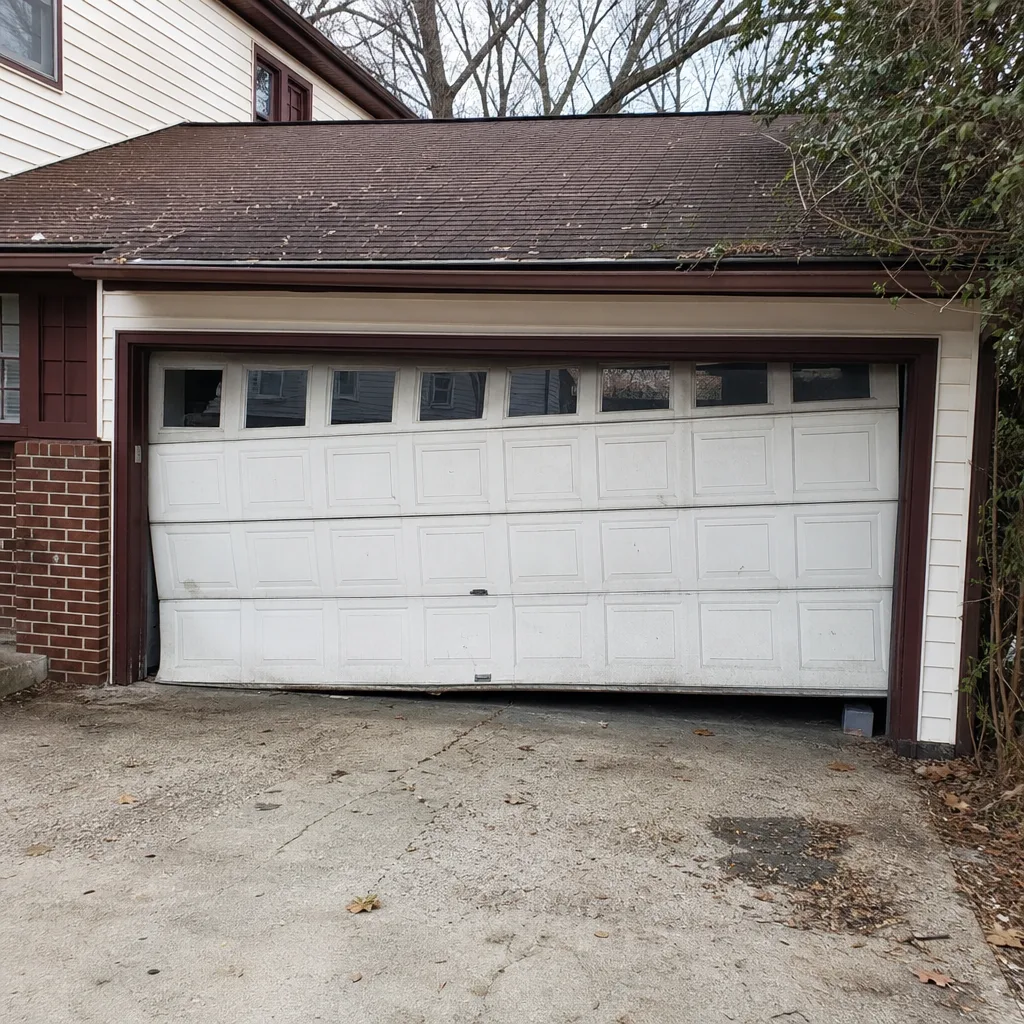 Before
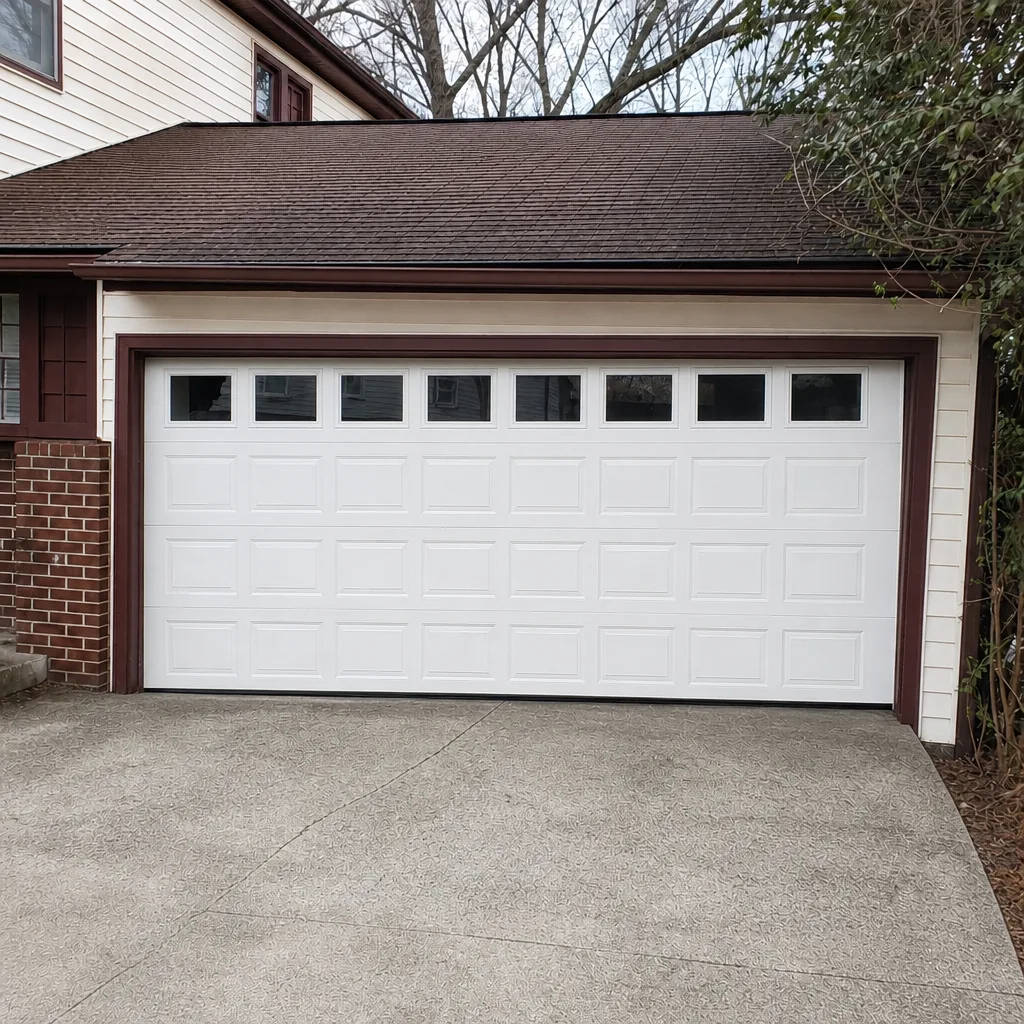 After
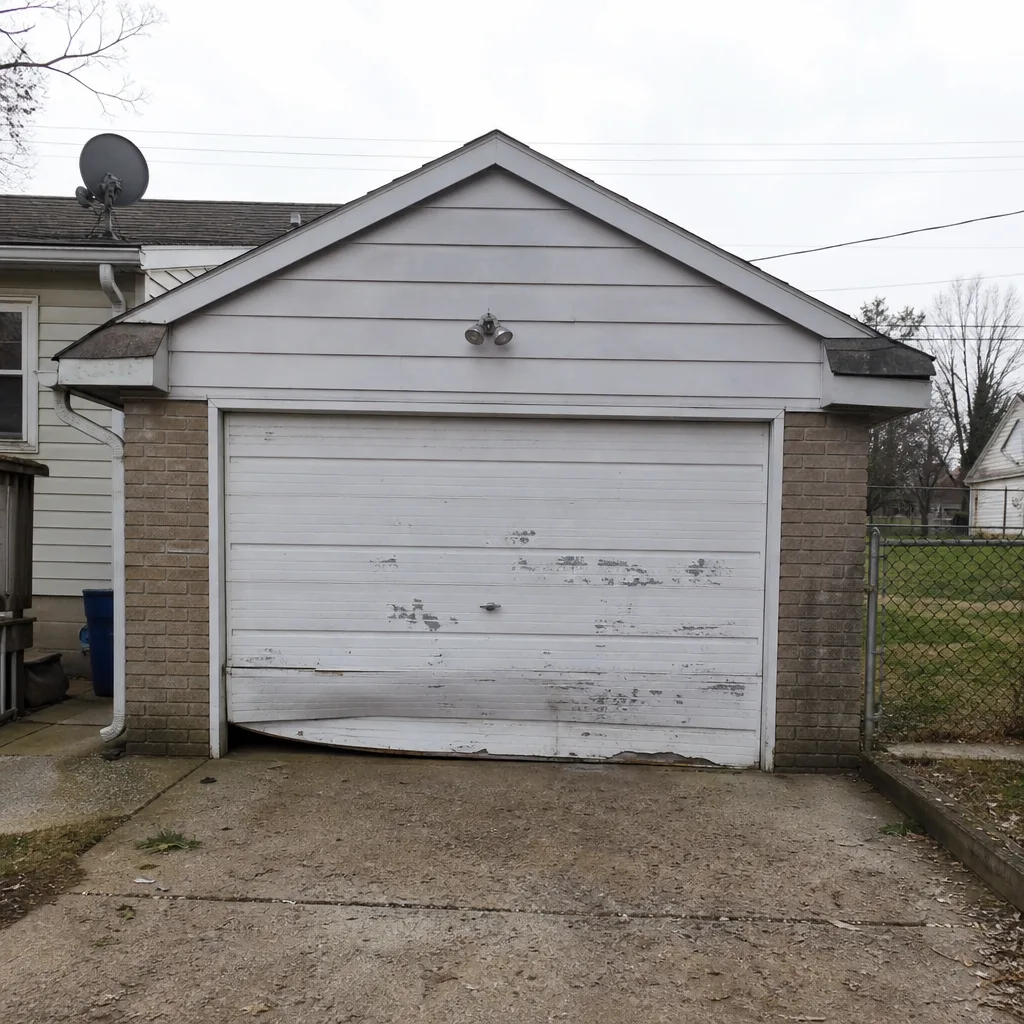 Before
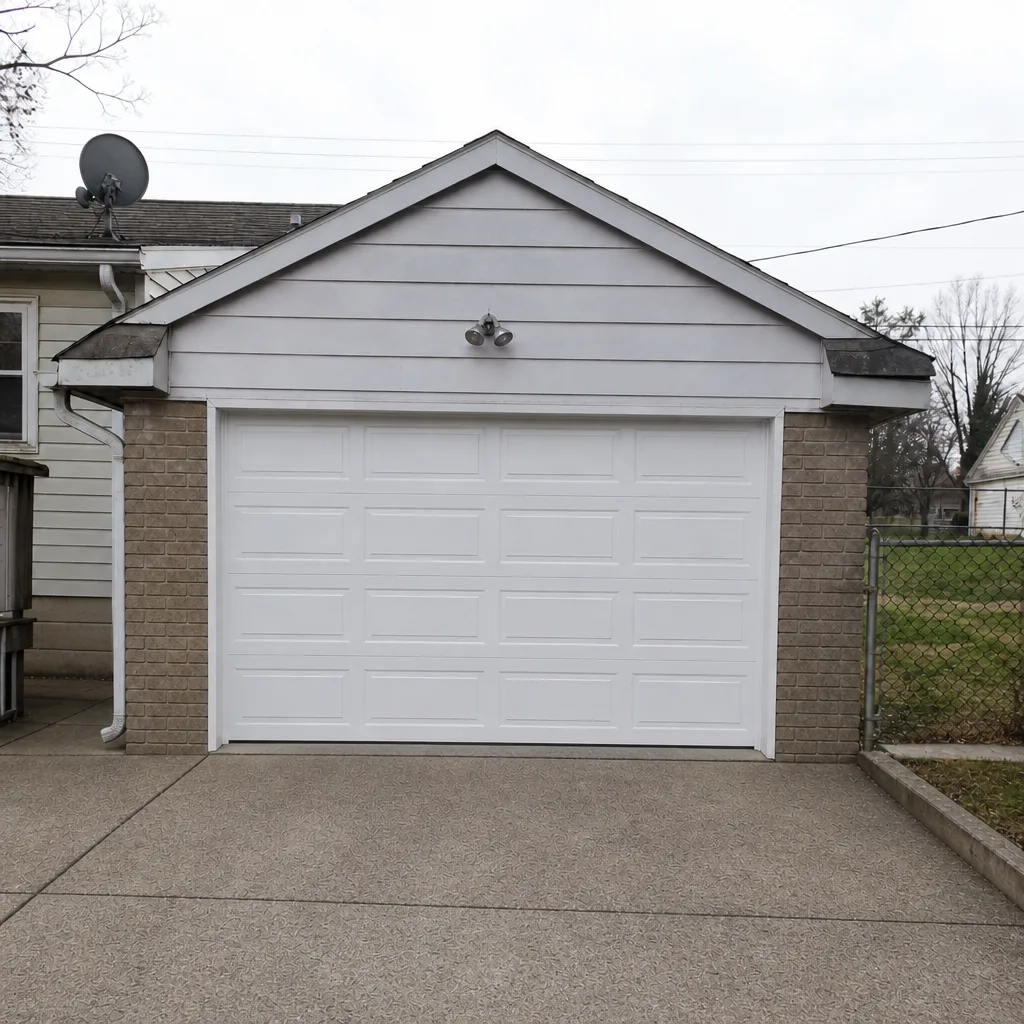 After
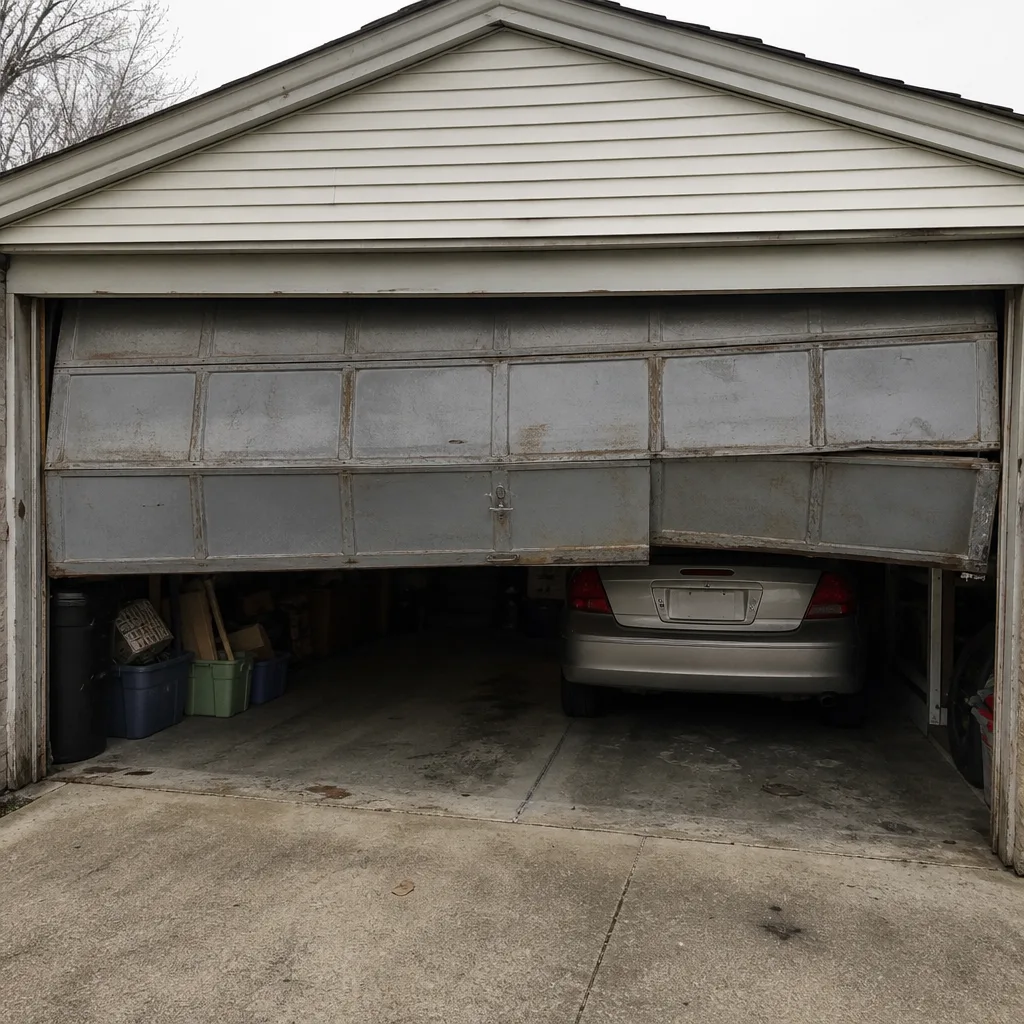 Before
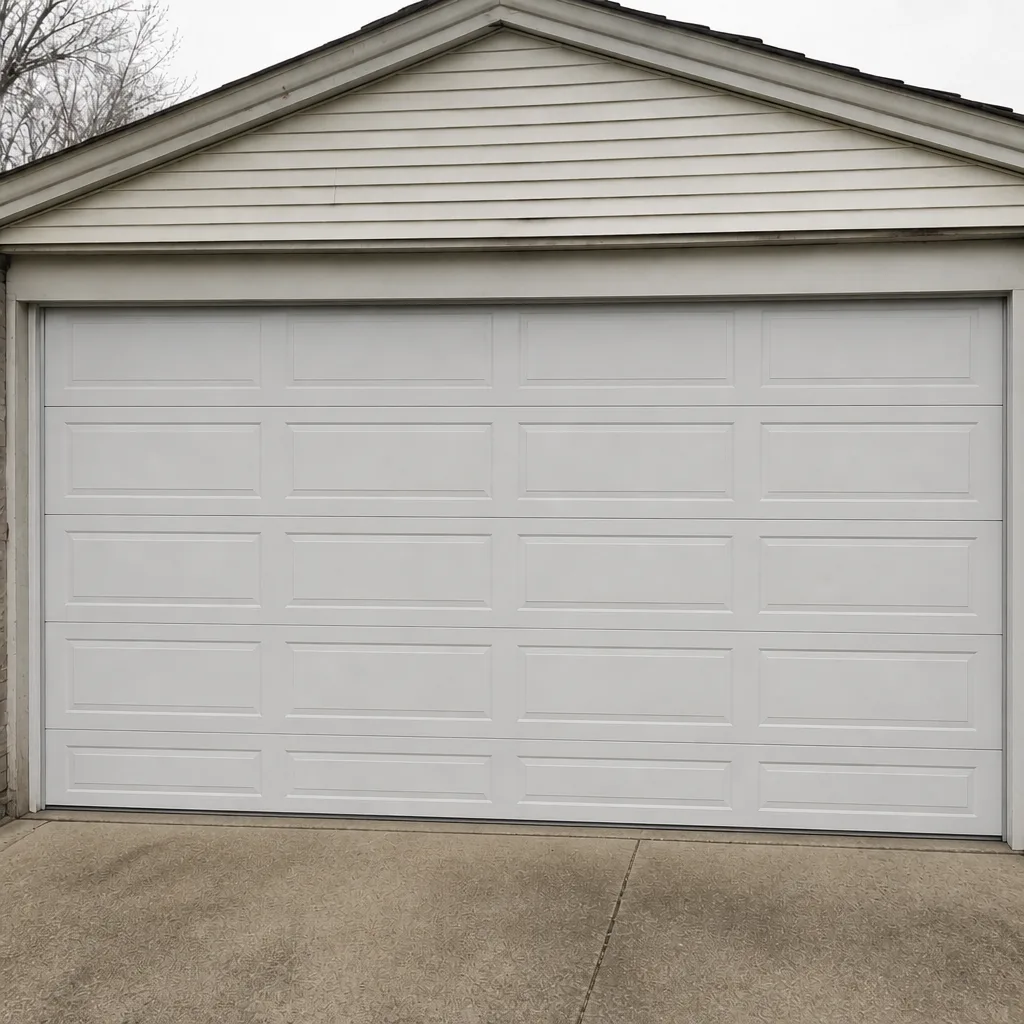 After
When to Call a Professional
Call a garage door professional when the door is going to be replaced and you’re not sure whether a permit applies, because the answer affects the door you can legally order. Call when the door is on an attached garage and the replacement involves a fire rating you can’t confirm from the spec sheet. Call when the door won’t open, won’t close, or reverses without warning, since those are repair emergencies and not permit questions. Call when a spring has snapped, because that’s the one job on this list where a homeowner’s curiosity can cause real injury. And call if you’re in the middle of a sale and an inspection flagged an unpermitted door, because there’s still time to fix it correctly.
Bethlehem Garage Door Repair Pros offers free estimates in Bethlehem. Call (833) 468-5855. We answer 24/7. Fast dispatch from 7am to 7pm, Sunday through Friday. Whether you need a repair, an opener fix, a spring replacement or a full new door with the permit handled, garage doors are all we do.
Frequently Asked Questions
Yes, if the replacement changes the door opening, the framing, or the fire-rated assembly on an attached garage. A new installation requires a permit, and a full replacement on an attached garage usually does too. A like-for-like replacement in the same opening may not, so call the City of Bethlehem Department of Building Standards to confirm your specific case. If you’d rather not sort that out alone, call (833) 468-5855 for a free estimate. Estimates are free and we’ll flag the permit question before you order.
No. A spring replacement is a repair and doesn’t require a building permit in Bethlehem. Springs are still one of the most dangerous parts of a garage door to handle. Torsion springs hold tension that can release suddenly and cause serious injury, which is why the work belongs to a trained technician even though no permit is involved. Call (833) 468-5855 for a spring repair estimate. Estimates are free.
The Pennsylvania Uniform Construction Code is the statewide building code that Bethlehem enforces through its Department of Building Standards. For a residential garage door, the most common impact is the fire separation between an attached garage and the living space, which requires a rated door assembly. The exact rating and the requirements for your opening depend on the specific design, so confirm with the city’s building department. If you need the door itself quoted, call (833) 468-5855.
An inspection during a sale can flag the unpermitted work, and the result can be a requirement to remove and reinstall the door correctly before closing, at the seller’s expense. It also creates negotiation leverage for a buyer, and it can raise questions during an insurance claim. The permit and the inspection record are what prevent both. Call (833) 468-5855 to talk through what a compliant replacement looks like.
No. Replacing or repairing an opener is a repair to existing equipment and doesn’t require a building permit. The opener still needs to be installed correctly, with the safety reversing system tested, since that’s a safety function and not paperwork. If your opener has failed, garage door opener repair is usually a same-day fix. Call (833) 468-5855. Estimates are free.
Yes. When we quote a garage door installation, we can walk you through the permit question, supply the door’s product documentation, and schedule the install around the inspection. We work with Genie, Clopay, Amarr, Wayne Dalton and the rest of the major brands, so the door on the estimate can be matched to the rating your opening requires. Call (833) 468-5855 for a free estimate in Bethlehem.
The Bottom Line
The permit question turns on one thing: whether the project changes the door opening, the framing, or the fire-rated assembly on an attached garage. New installs and full replacements on attached garages generally need a permit. Springs, openers, panels and other repairs generally don’t. The Pennsylvania UCC adds a second layer for attached garages, since the door that separates garage from living space is part of a rated assembly. Get the door’s rating and the permit in writing, schedule the inspection before the project closes, and keep the record. When in doubt, a quick call to the City of Bethlehem Department of Building Standards settles it. And for the door itself, call (833) 468-5855. We answer 24/7. Fast dispatch from 7am to 7pm, Sunday through Friday. Estimates are free.
Written by the team at Bethlehem Garage Door Repair Pros.