
Last updated November 22, 2026
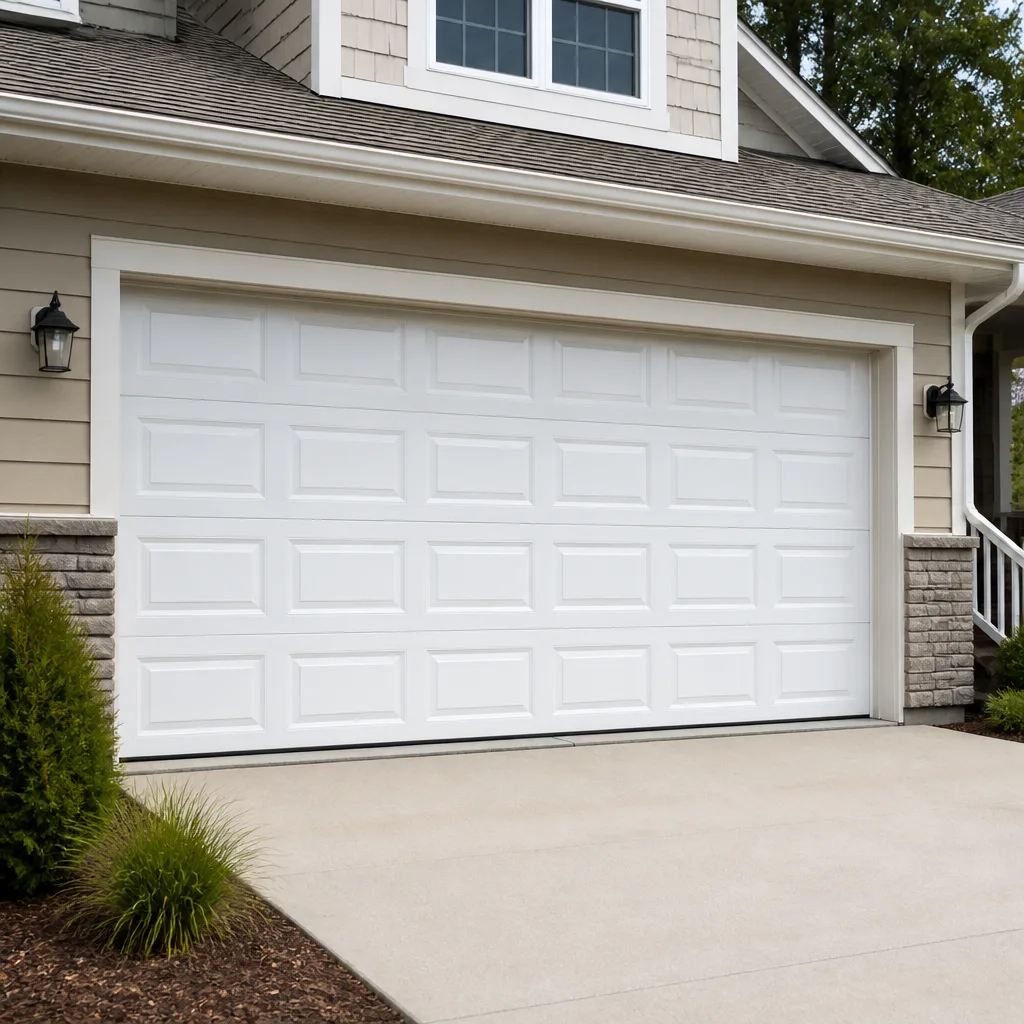 Raised-panel steel
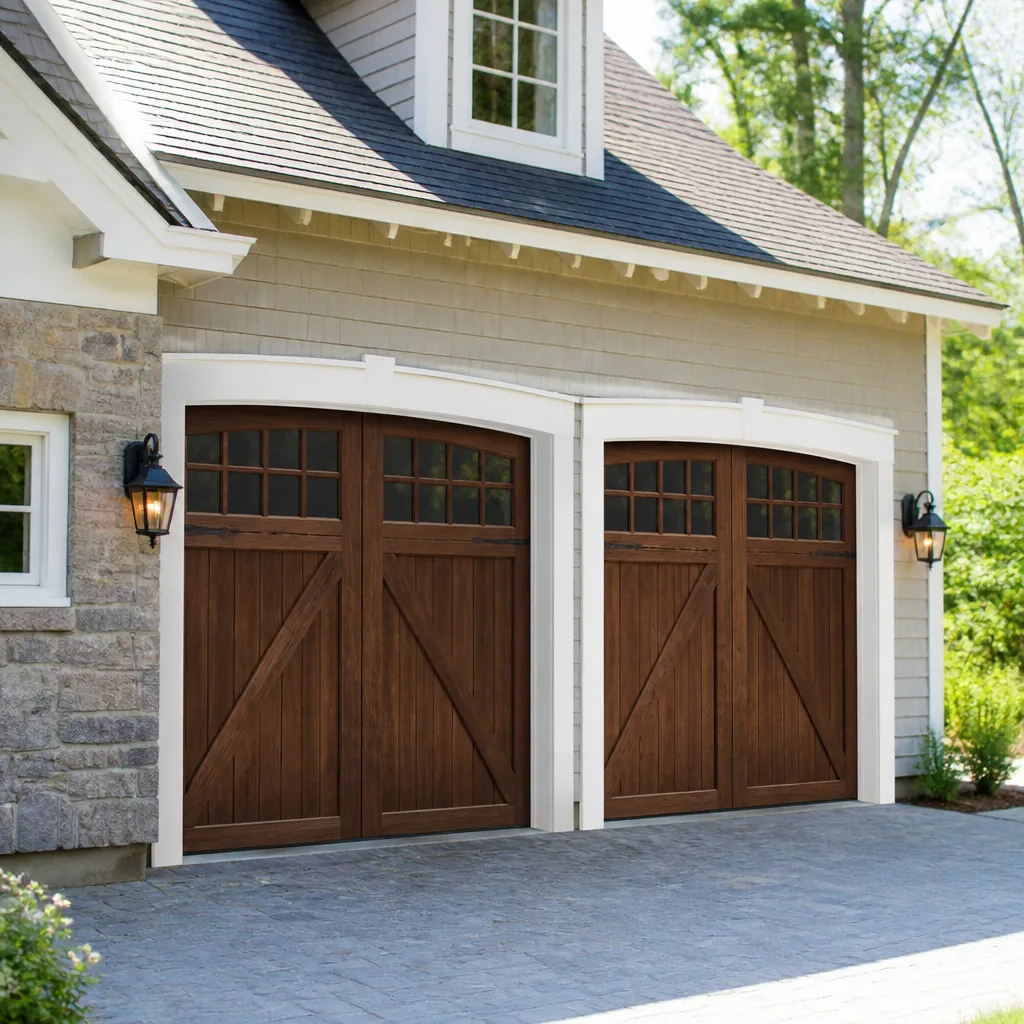 Carriage house
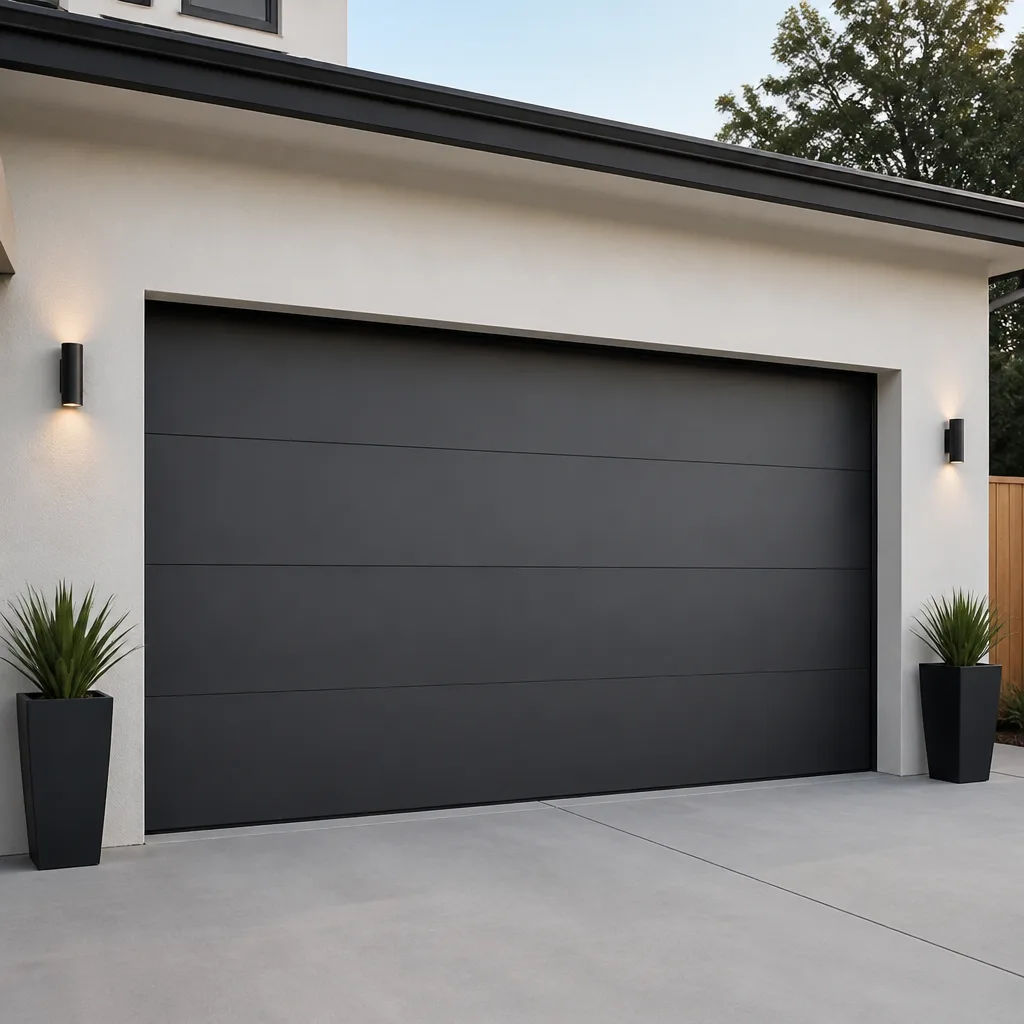 Modern flush
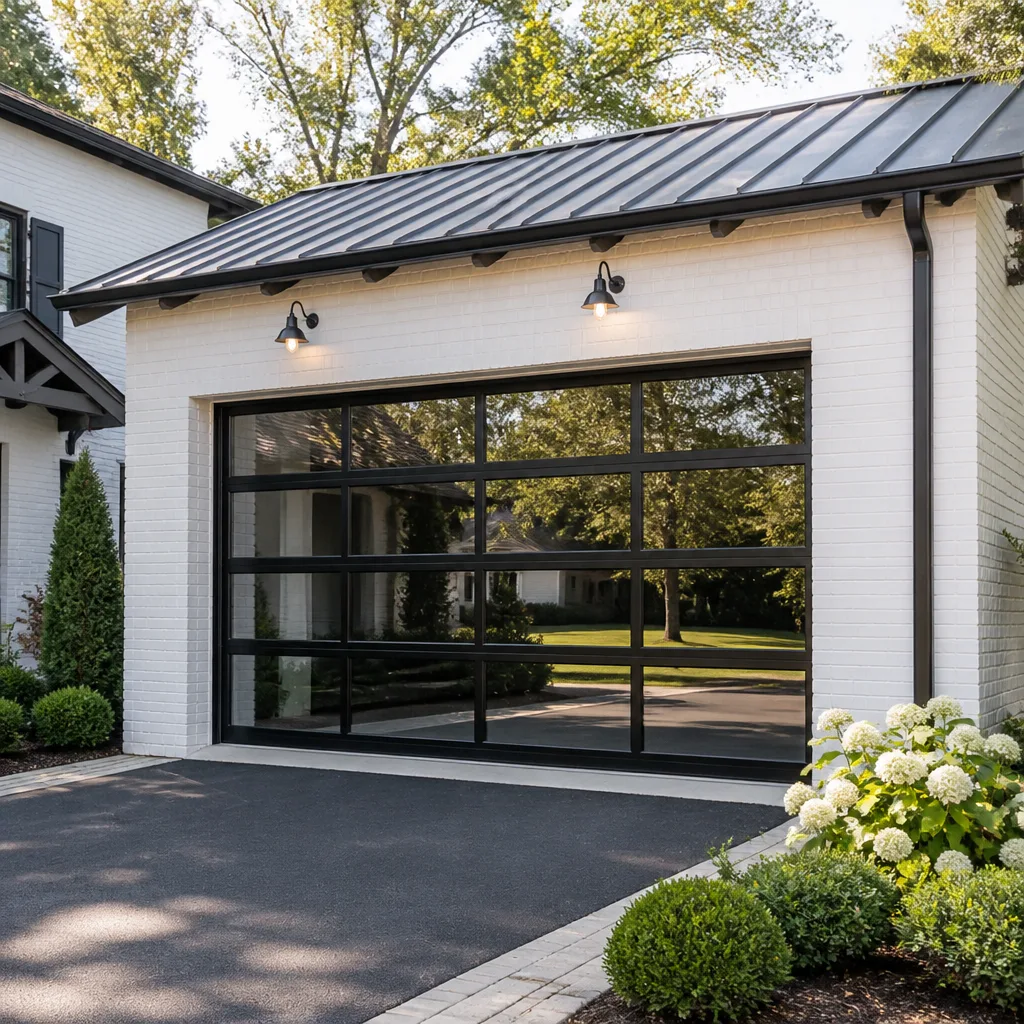 Full-view glass
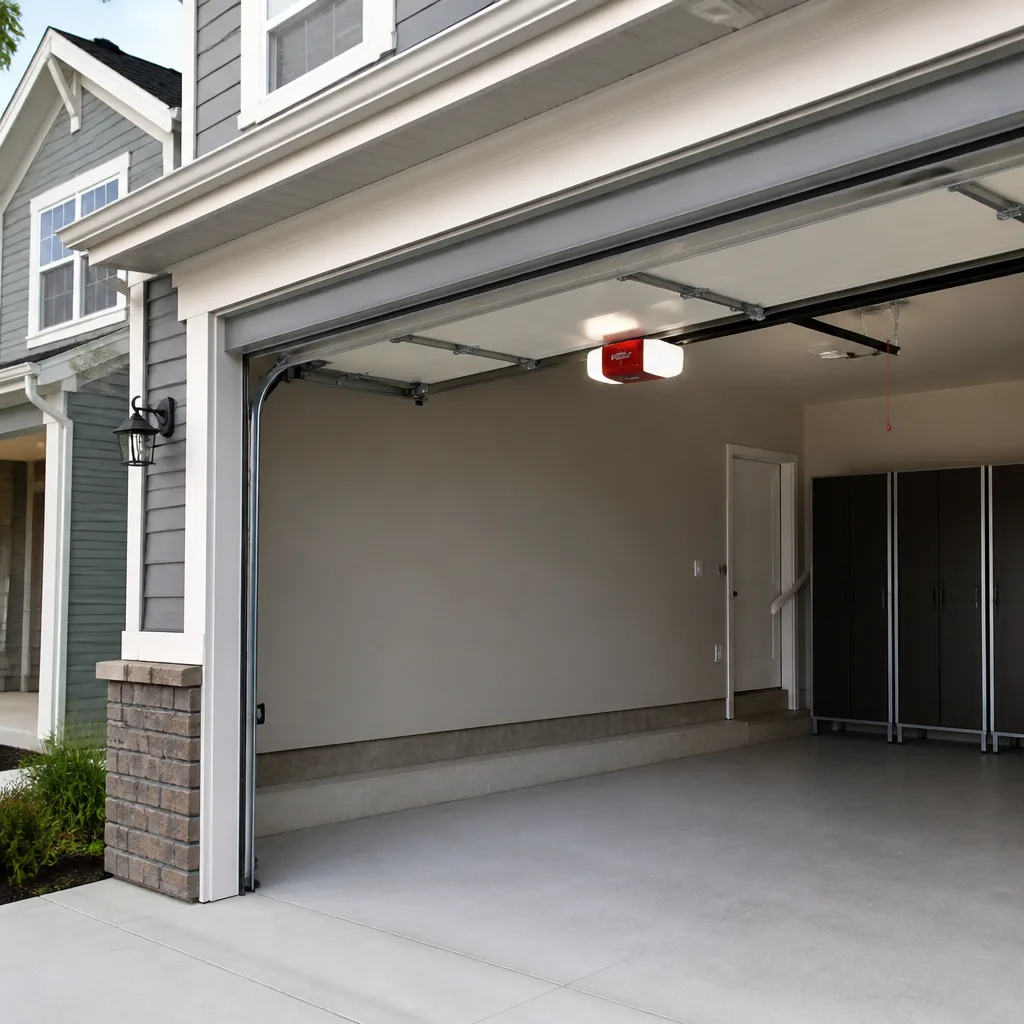 LiftMaster openers
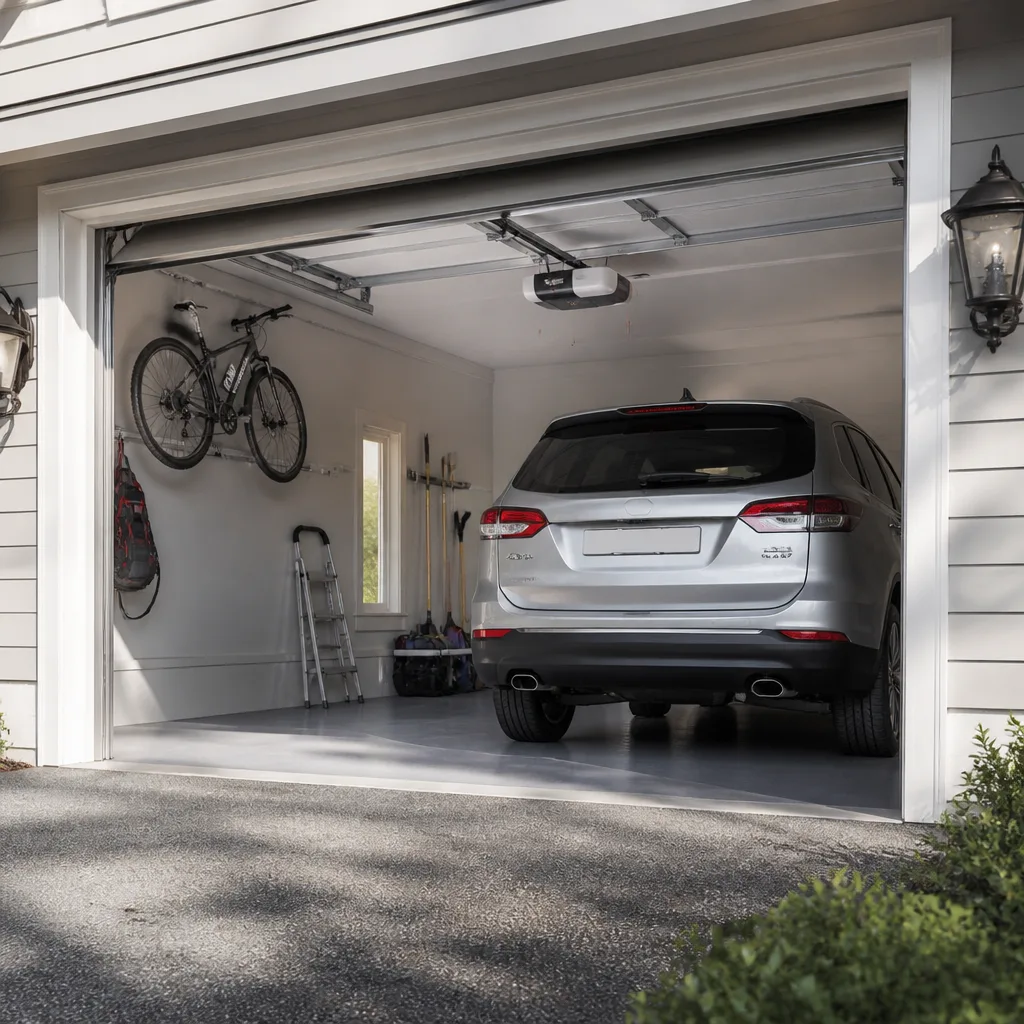 Chamberlain openers
Full 25-point door and opener safety check with every visit - springs, cables, rollers, tracks, and your LiftMaster or Chamberlain opener included
You get a price before we start. It does not change when the pro arrives.
Get your free estimateThe Complete Guide to Garage Doors in Bethlehem
Most Bethlehem homeowners treat their garage door as a single purchase decision: pick a color, pick a panel style, pay the bill, forget about it. But a garage door isn’t one thing. It’s a system of interdependent parts, and each part has its own lifespan, its own failure mode, and its own response to the way Bethlehem’s seasons treat it. The spring that lifts the door, the tracks that guide it, the opener that drives it, the panels that face the street, the seals that keep weather out: they age at different rates and they fail for different reasons. Understanding the system is what separates a homeowner who spends smartly over fifteen years from one who gets surprised every eighteen months. In this guide, we’ll walk through how the components actually work together, what typically fails first in Bethlehem, how the local climate speeds up certain wear, and which questions help you decide between a repair and a replacement.
Quick Answer
A garage door is a system, not a single object. Springs, cables, tracks, rollers, hinges, panels, seals, and the opener all have separate lifespans, and a failure in one often shows up first as a symptom in another. In Bethlehem’s freeze-thaw climate, springs and bottom seals wear faster than most homeowners expect, and regular inspection of the whole system catches problems before they become emergency calls.
Styles & brands we work with
- Raised-panel steel
- Carriage house
- Modern flush
- Full-view glass
- LiftMaster openers
- Chamberlain openers
Table of Contents
- How a Garage Door Actually Works as a System
- How Bethlehem’s Climate Affects Springs, Seals, and Tracks
- The Lifespan of Each Major Component
- How to Read Your Door as a System
- Brands and Service Coverage in the Lehigh Valley
- What Garage Door Work Typically Costs in Bethlehem
- Cosmetic Upgrade vs. Safety-Driven Replacement
- A Seasonal Walk-Around You Can Do Safely
How a Garage Door Actually Works as a System
Your garage door looks simple from the driveway. Up it goes, down it comes, and the remote does the rest. Underneath that everyday routine is a mechanical chain where every link depends on the others. When one part weakens, the load shifts onto its neighbors, and that’s usually where the visible problem appears.
Here’s the system, broken down into its parts:
- Torsion or extension springs hold the full weight of the door, so the opener only has to guide it. If a spring isn’t doing its job, the opener works harder and fails sooner.
- Cables run through the spring system and connect to the bottom bracket. They carry the tension the spring creates and keep the door balanced.
- Tracks guide the rollers and keep the door moving in a straight path. A bent track makes the door drag, which stresses the springs and the opener.
- Rollers and hinges are the low-cost wear parts of the assembly. Worn rollers make the door run loud and rough, which wears everything else faster.
- Panels provide the structure and the curb appeal. Dented or bent panels can throw off alignment even when the hardware is fine.
- The opener pulls the door up and pushes it down, using the spring system to do the actual lifting. A properly balanced door takes some effort off the opener.
- Weather seals at the bottom, sides, and top keep water, air, and pests out. A worn seal lets moisture in, and moisture around the ground affects the bottom of the door and the track.
Picture the system like a simple seesaw. The springs do the balancing. The opener only nudges. When you change one component, the whole balance shifts. That’s why swapping a spring without checking the cables and rollers rarely solves the problem for long.
How Bethlehem’s Climate Affects Springs, Seals, and Tracks
Bethlehem sits where the Lehigh Valley narrows, and that shape gives the area a particular weather pattern: cold winters, warm humid summers, and a lot of back-and-forth crossing the freezing mark. That cycle is what stresses a garage door most, and it’s the patterned part of the year most homeowners don’t connect to their door.
Here’s what the local climate actually does to the system:
- Freeze-thaw cycles wear springs faster. Metal contracts when it’s cold and expands when it warms. Each cycle is small, but repeated all winter, it means the steel in torsion springs has to flex more than it would in a milder climate. Springs are already the most stressed component in the assembly, so this is where local wear shows up first.
- Humidity swings affect the bottom section and the seals. Bethlehem summers bring heavy, humid air. That moisture settles on the bottom panel and works its way into the seals, softening rubber and speeding rust on the bottom brackets and the lowest section of track.
- Snow anchors and road grit grind the tracks. Winter salt, sand, and grit kicked up from the driveway get into the roller channels. A dry roller on a gritty track is a rough-running door, and rough running shortens spring life.
- Ice forms at the base of the door. Meltwater from the roof or the cars refreezes overnight at the threshold, and if a door cycles while ice is wedged under the bottom seal, the door lifts unevenly and stresses one side of the torsion assembly.
- Warm-season storms test the whole system. Wind-driven rain pushes against the door, and any gap in a seal becomes a way in.
In our experience, a Bethlehem garage door is a legitimate seasonal maintenance item, not a “set it and forget it” piece of equipment. The average door cycles over 1,500 times a year. Each of those cycles runs through the same stressed metal, the same seals, the same track, in the same weather. The door that gets a two-minute inspection each fall and each spring is the door that goes a decade without an emergency call.
The Lifespan of Each Major Component
Homeowners usually assume the opener will fail first. In our experience, it almost never does. The parts that fail first are the ones that do the most physical work and get the least attention.
Here’s a realistic ordering of how long each component lasts, assuming no accidents or damage:
- Springs: the shortest-lived component. A torsion spring on a door in daily use typically runs a limited number of cycles, and in a freeze-thaw climate like Bethlehem’s, those cycles accumulate faster and rougher. Most spring failures are cycle-count failures, not age failures.
- Bottom seal and weather stripping: short lifespan in humid climates. Rubber and vinyl, exposed to repeated freeze and thaw and then summer humidity, cracks, hardens, and stops sealing.
- Rollers, hinges, and cables: mid-range wear parts. These need attention before most springs do, but they’re cheaper to fix and less dramatic when they fail.
- Tracks: long-lived with good alignment. A track doesn’t usually wear out from cycling. It gets bent from an impact, and a bent track then becomes the cause of everything upstream.
- Openers: mid-range but robust. Openers tend to outlast several spring sets, assuming the door is balanced and the opener isn’t overworked.
- Panels and door structure: longest-lived part of the assembly. Steel and aluminum panels hold up well unless damaged by impact or rust that starts at the base.
The important takeaway is the ordering. Springs and seals fail first, and they fail quietly, as small symptoms. The noise, the rough run, the draft under the door, the slightly slow closure: those are the early signals. Homeowners who wait for the “big” failure usually end up dealing with a spring that snapped at the worst possible moment, which brings the whole system down with it.
How to Read Your Door as a System
The most useful skill for a Bethlehem homeowner is learning to read symptoms as system-wide signals instead of isolated problems. What looks like a panel problem is sometimes actually a track problem in disguise, and a door that “just needs a new opener” is often a door whose spring has quietly been carrying less of the weight than it should.
Here are the most common symptom patterns and what they usually point to:
- The door looks uneven when closed, with one corner off the ground. Most people assume a bent or dented panel. In our experience, that pattern usually points to a track that’s come out of alignment or a cable that’s lost tension on one side. Panels follow the tracks; they don’t set the geometry themselves.
- The door opens slowly or feels heavy. People assume a failing opener. Usually the spring has weakened, and the opener is doing more of the lifting than it’s designed to. If the problem gets worse over weeks rather than failing suddenly, that’s the pattern to watch for.
- The opener pauses halfway up and reverses. This is often a symptom of an opener hitting resistance because the door isn’t balanced, not a failure of the opener’s internal components. For a closer look at that pattern, see our garage door opener repair page.
- The door is loud when it runs. Rough, grinding, or scraping usually means worn rollers or a dry track, both of which wear the springs faster.
- There’s a draft or water under the door. That’s a seal issue, and it’s cheap to fix early and expensive to ignore because water at the threshold rusts the bottom bracket and lowest track section.
- A visible kink in the cable or a hanging bottom bracket. Stop using the door. Cables carry load and damage here is a safety issue.
The pattern to notice is simple: a symptom in one place is often a stress signal in another. Reading your door this way is what makes garage door repair smarter than a series of unrelated fixes. It’s why we look at the whole door on every call.
Brands and Service Coverage in the Lehigh Valley
Most homeowners don’t know which brand of opener or door they have until something breaks. That moment is when the wrong service company can create a dead end, because not every garage door specialist works on every brand. Bethlehem homeowners should ask before they call.
We work on equipment from eight major brands: LiftMaster, Chamberlain, Genie, Clopay, Amarr, Wayne Dalton, Craftsman, and Raynor. If your door or opener is one of those, we’ve seen it, worked on it, and know the parts pattern. That means no “we don’t service that brand” moment in the middle of a problem.
Here’s why brand coverage matters as much as it seems:
- Openers age differently by brand. A Raynor opener and a Genie opener can show the same symptom for very different reasons inside the unit. A specialist who works across all of them reads the symptom pattern more accurately than one who carries a single brand.
- Parts availability varies. If your opener uses a proprietary part, you want a company that knows where to find it without a warehouse search.
- Brand-specific spring and cable specifications differ. Torsion springs are matched to the door, and door manufacturers set their own specifications. Anyone who touches the spring needs to know the door and the system it came with.
- Installation and repair usually involve different brands of door and opener. Many Bethlehem homes have a LiftMaster or Chamberlain opener on a Clopay or Amarr door. A specialist who works on both sides of that pairing handles the whole job without calling in a second trade.
The Lehigh Valley has the same mix of older Bethlehem homes and newer construction as most of eastern Pennsylvania. That means the doors in the area span decades of design, from traditional panel styles to more recent insulated styles with newer openers. A single-trade garage door specialist should be comfortable across that range, not just on the newest models.
What Garage Door Work Typically Costs in Bethlehem
Below are typical estimated ranges, quoted before any work starts, that give you a sense of what each common job usually runs. The written estimate you receive in your home is the final word on the price. Local conditions, door weight, and system condition all affect where in the range a job lands.
| Job | Typical Estimated Range |
|---|---|
| Single torsion spring replacement | $180 – $340 |
| Matched pair of torsion springs (usually replaced together) | approximately twice the single-spring range |
| Bottom seal replacement | $90 – $180 |
| Roller set replacement | $120 – $220 |
| Track realignment or minor track repair | $140 – $280 |
| Opener repair (existing unit) | $150 – $320 |
| Opener replacement (installed) | $280 – $520 |
| Panel replacement (single section) | $240 – $520 |
| New door installation (standard single door) | $900 – $1,800 |
| New door installation (double or insulated door) | $1,500 – $2,800 |
Two things about this table are worth calling out before you compare prices. First, spring ranges are for one spring. Since a matched pair is typically replaced together (replacing one of a pair usually leaves the pair mismatched), a full spring job lands around twice the single-spring range. Second, the price you’ll pay is the price you and the technician agree on before any work begins. If a job turns out to be more involved once we see the door, the conversation happens before we pick up a tool, not after. That’s the rule, not a favor.
For a closer look at what goes into each of these, the garage door repair page breaks the repair side down further.
Cosmetic Upgrade vs. Safety-Driven Replacement
The hardest question in garage doors isn’t “repair or replace.” It’s “which kind of decision am I actually making?” A cosmetic upgrade and a safety-driven replacement are two completely different conversations, and treating them as one costs homeowners money either way.
Here’s how to tell which one you’re doing:
- A cosmetic upgrade is about the face of the door. You want a different panel style, a color that matches the house, or a raised-panel look. If the mechanical system is healthy, this is a pure look-and-feel decision, and the door hardware doesn’t need to be touched.
- A safety-driven replacement is about the mechanism, the structure, or the base. Rust eating through the bottom panel, a track that’s out of alignment and won’t stay in line, a door that cycles unevenly over and over after a spring replacement, a door that’s had multiple panels bend out of shape and won’t close flush, or a door that’s been through impact damage and has structural cracks.
- The two overlap when the door is old enough that both are true at once. That’s the conversation to have before pricing gets locked in, because a cosmetic conversation and a safety conversation have different timelines.
Three questions to ask yourself before any replacement conversation:
- Is the door balanced and safe right now? If you don’t know, that’s the answer. A technician can check balance, cable tension, and spring load in a short visit.
- Is the issue in the door itself, or in the hardware that lifts it? If it’s hardware, replacement isn’t required, and a repair may carry you another decade. If it’s the door structure, repair to the hardware just delays the inevitable.
- Is this about how the door looks, or how it works? The honest answer to this question usually resolves which conversation you’re actually having.
When the door itself needs to go, that’s a different job than a repair, and the timing works differently. For how new doors get sized, ordered, and installed in Bethlehem, see our garage door installation page.
A Seasonal Walk-Around You Can Do Safely
Most garage door problems are catchable before they become emergency calls, and the parts you can safely check yourself are the ones that tell you when to call. Here’s the routine we recommend to Bethlehem homeowners, ideally once in early fall and once in spring.
Important safety note: springs, cables, and the brackets at the bottom of the door are under heavy tension and cause serious injuries every year. Never touch them, never reach into them, and never try to adjust them. If you see anything that looks off with the spring or cable, close the door (if it will close safely) and call a technician.
- Look at the door from outside, closed. Is one corner off the ground? Is the door flush with the frame on both sides? Any gap or uneven shut suggests alignment or load issues you should flag to a technician.
- Run the door with the opener and listen. Grinding, scraping, or a thump on the way up means worn rollers or a dry track.
- With the door fully closed, look (don’t touch) at the springs. Rust streaks, a visible gap in a coil, or a sagging look are signs to stop and call. Don’t try to test them by hand.
- Inspect the bottom seal. Run a hand along the bottom rubber: is it cracked, hardened, or pulling away from the panel? Note any gaps under the door.
- Clean the tracks with a dry cloth. Remove grit and road sand, and check that both tracks look straight by eye. Don’t bend anything to fix it; flag a bent section instead.
- Test the door’s balance with the opener disconnected (whether you’re comfortable doing so). Manually lift the door to about waist height and let go. A balanced door stays put. A door that wants to fall or wants to rise is telling you the springs are doing too much or too little work, and that’s a call.
- Check the opener’s safety reverse. Put a small obstacle in the door’s path and confirm the door reverses on contact. The opener’s backup battery and the sensor alignment need a quick check too.
If you’ve done this and something doesn’t look right, the safest next step is to stop using the door and have it looked at. The reason is simple: a problem in one part of the system puts more load on another, and you don’t want the “other” part to be the one that fails.
Common Mistakes to Avoid
- Replacing one spring of a matched pair. A pair is installed together to carry the load in balance, and putting a new spring next to an old one leaves the pair mismatched. It’s cheaper now and more expensive later.
- Assuming a failing opener is an opener problem. When the opener struggles, most homeowners assume it needs replacement. In our experience, the opener is often doing too much work because the springs are weak. Replace the opener without fixing the springs and the new unit carries the same overload.
- Ignoring a bent track because the door “still works.” A bent track drags the rollers, which stresses the spring and the opener. The cost of getting it fixed is almost always less than the wear it causes monthly.
- Skipping the bottom seal in Bethlehem’s freeze-thaw winters. Water at the threshold rusts the bottom bracket and the lowest track section. A cheap seal replacement done early prevents a much bigger repair later.
- Letting a general handyman touch the springs. Springs are the danger point in the assembly. They’re the part a garage door specialist is trained for, and it’s the reason we recommend specialists, not generalists, for spring work.
- Comparing quotes by price line alone. The cheaper quote that doesn’t include a balance check or a spring adjustment costs you more when the door fails again in the spring.
- Waiting until the door won’t close to call for a repair. A door that won’t close is a security risk, but a door that’s running rough or closing slow is a warning. Booking on the warning is easier than booking on the failure.
See the difference
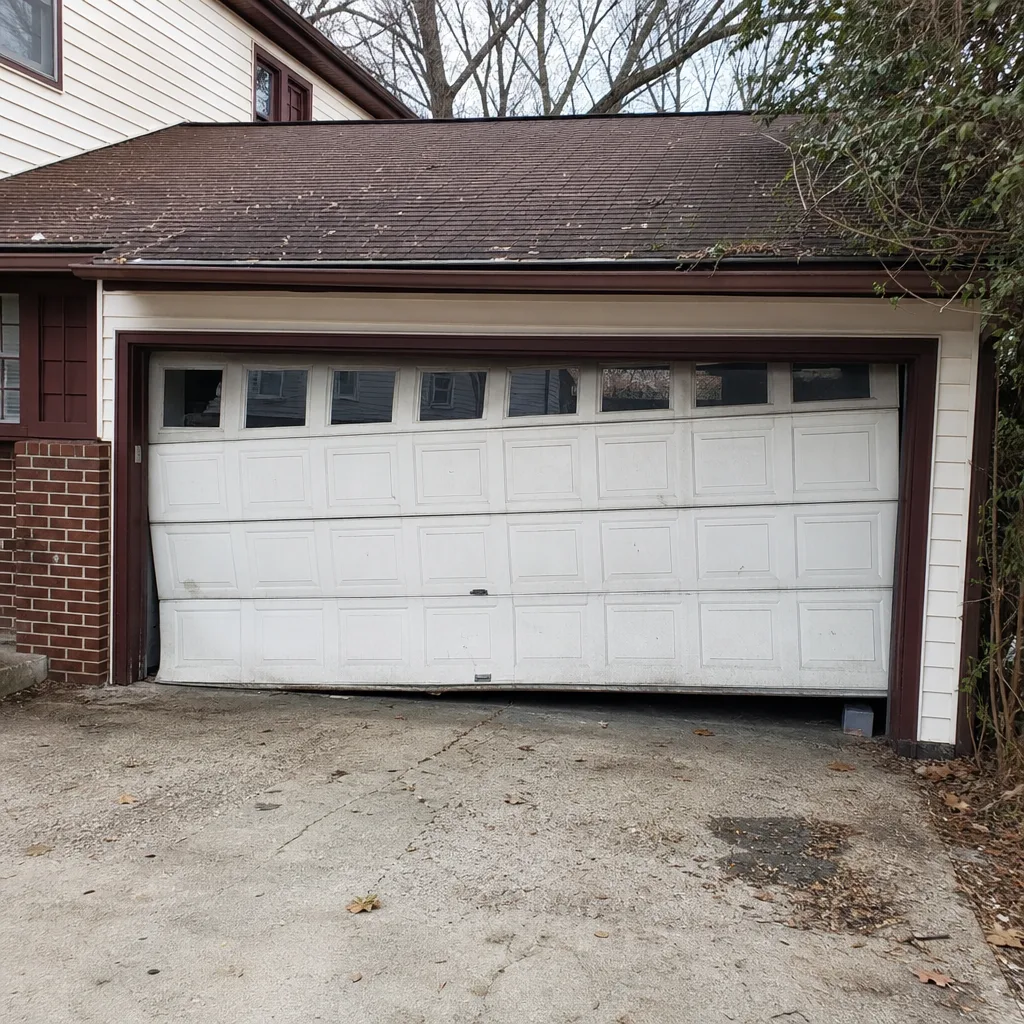 Before
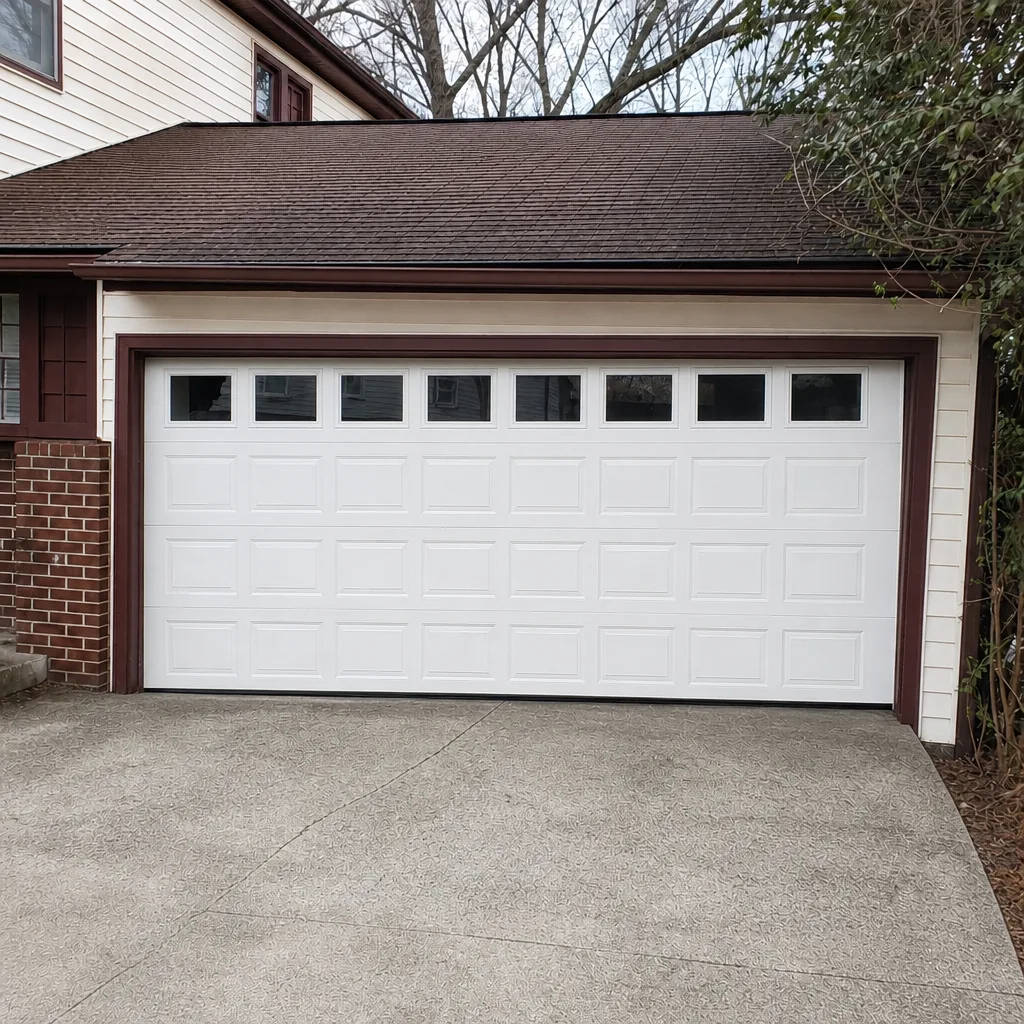 After
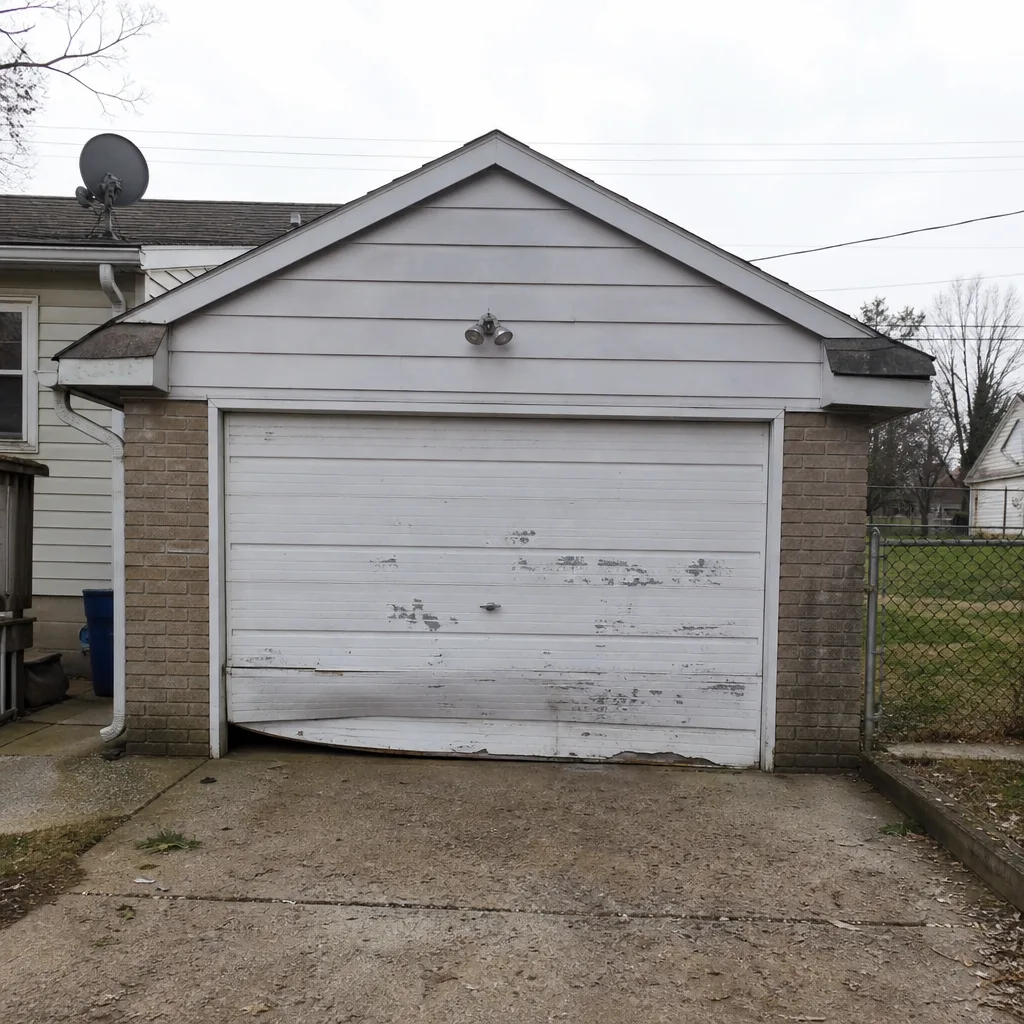 Before
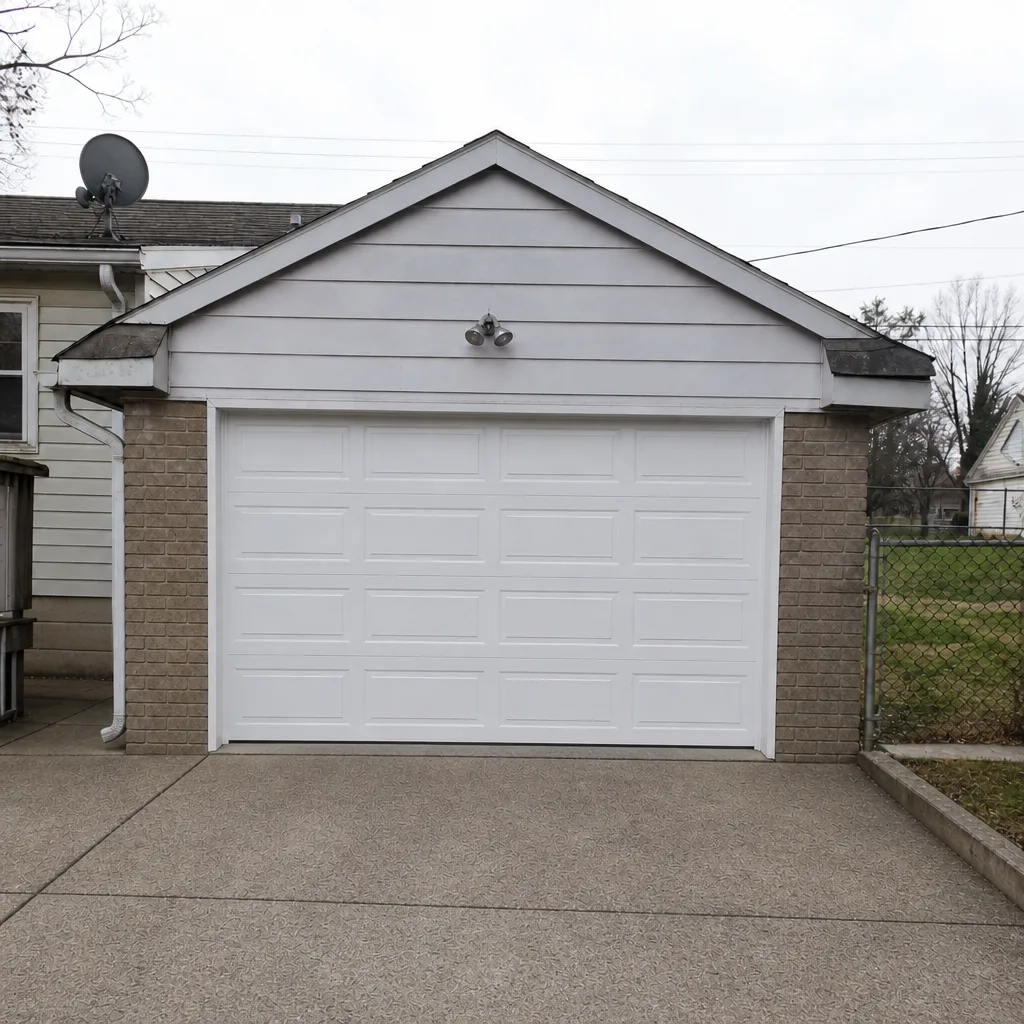 After
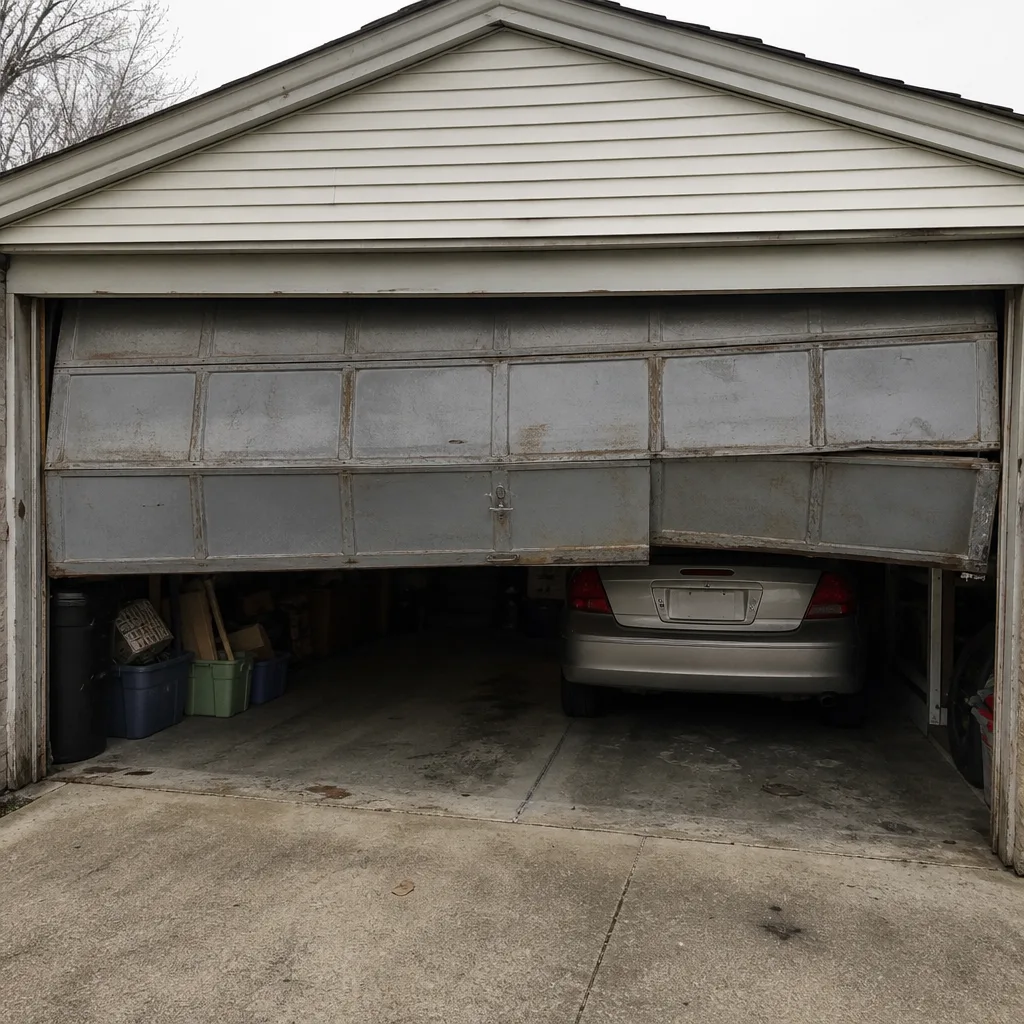 Before
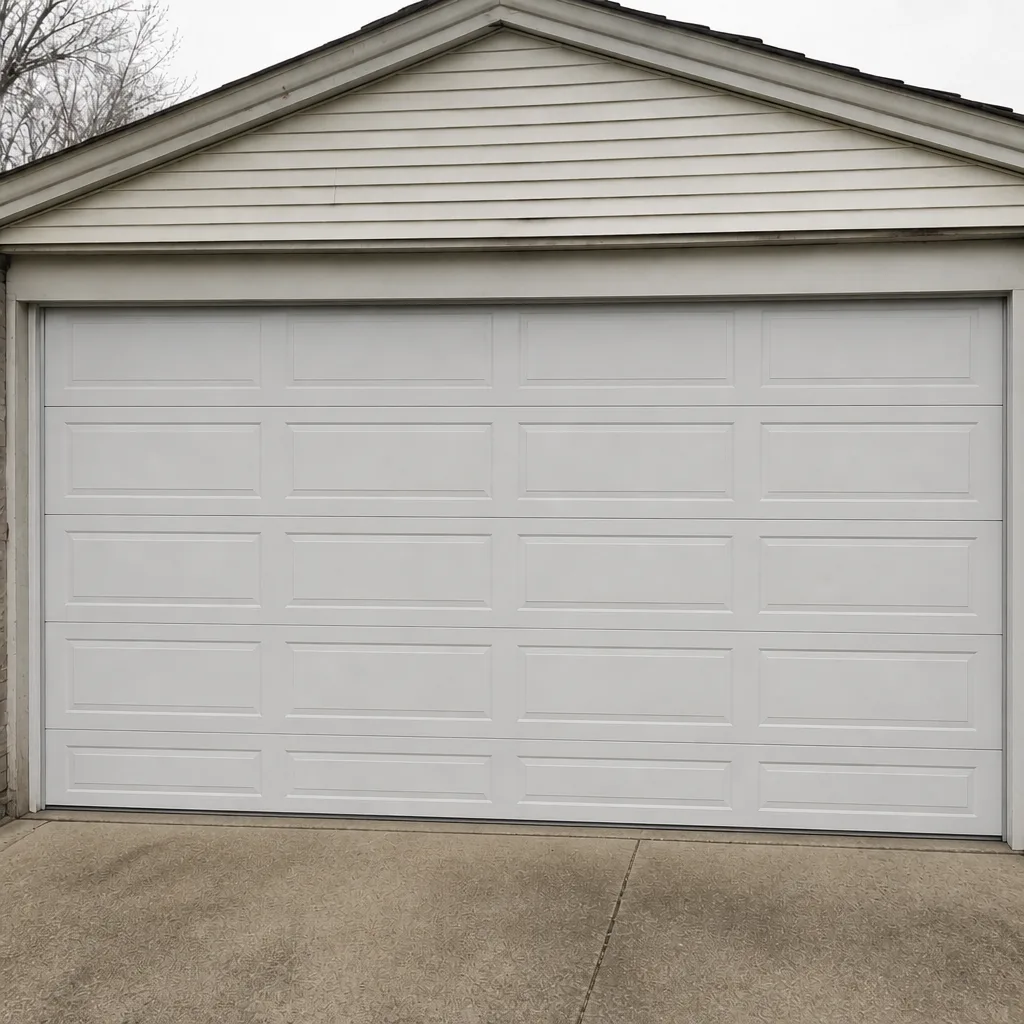 After
When to Call a Professional
You should call a professional garage door specialist for anything involving springs, cables, torsion hardware, and the brackets at the bottom of the door, without exception. These parts are under high tension and are the leading cause of garage door injuries. Beyond that, call when the door is unbalanced (one side sits lower than the other, or the door falls instead of staying in position on a manual check), when the door runs loud or rough, when the opener reverses on its own, when the door won’t open at all or won’t close, when there’s a visible kink in a cable or a sagging bottom bracket, or when a panel is bent or damaged enough that the door doesn’t close flush. For anything that looks like it might get worse while you wait, that counts too. When the door sticks open, back up and running today matters more than a perfect process.
Bethlehem Garage Door Repair Pros offers free estimates in Bethlehem. We work on LiftMaster, Chamberlain, Genie, Clopay, Amarr, Wayne Dalton, Craftsman, and Raynor equipment. Call (833) 468-5855. We answer 24/7. Fast dispatch from 7am to 7pm, Sunday through Friday.
Frequently Asked Questions
First, don’t force it. If the door won’t open, leave the opener disconnected (if you can reach the release safely) and check whether the door is balanced by hand. If it’s heavy or uneven, a spring or cable problem is likely, and the right next step is a call, not a repair attempt. If you’re in Bethlehem and the door won’t move, call us at (833) 468-5855. We answer 24/7. A call outside dispatch hours is booked into the next opening, Sunday through Friday, 7am to 7pm.
There’s no single number, but in our experience Bethlehem’s freeze-thaw climate shortens spring life compared to milder climates because springs cycle through more flex-and-contract cycles each winter. The practical answer is to check the door’s balance and run quality in fall and spring, and to replace springs when you notice them drifting out of balance or when the door starts running rough. If you’re not sure, a short inspection will tell you. Call (833) 468-5855 and we’ll give you a straight read.
Sometimes the panel itself is fine and the actual problem is a track that’s come out of alignment. When a door looks bent or doesn’t close flush, the first thing a technician checks is track and cable alignment, because panels follow the tracks. If the panel is structurally damaged, replacement is usually the cleaner fix. Either way, a written estimate before work is the rule.
Yes. The local professionals we connect you with are licensed and insured as their state requires. We only work with vetted local garage door specialists. That’s the standard, and it’s the reason we can put spring repair in scope when many general-service companies won’t.
The price is the written estimate you receive before any work starts, not a ballpark. If the job turns out to be more involved once we see the door, we have that conversation first and you decide. We don’t do surprise invoices. Call (833) 468-5855 for a free estimate.
It depends on where the damage lives. If the damage is in a panel only, and the door’s structure, tracks, and balance are sound, repair or panel replacement is often the answer. If several panels are compromised or the door’s frame has cracked, replacement is usually the safer path. A free estimate in Bethlehem will tell you which side of that line you’re on.
The Bottom Line
Your garage door is a system, and the parts you can see are rarely the parts that fail first. Springs and seals wear earliest, tracks cause more “panel problems” than people realize, and the opener is often blamed for problems the springs actually caused. In Bethlehem’s freeze-thaw climate, a quick fall and spring walk-around catches almost everything early, and freezes the surprise out of spring failures and seal rust. When the check turns up something in the spring, cable, or bracket side of the assembly, leave it to a specialist. The system rewards you when you treat it as one. For a free estimate on any repair, opener, or installation job in Bethlehem, call (833) 468-5855. For a look at the full range of what we do, visit Bethlehem Garage Door Repair Pros. Garage doors are all we do.
Written by the team at Bethlehem Garage Door Repair Pros.