
Last updated November 22, 2026
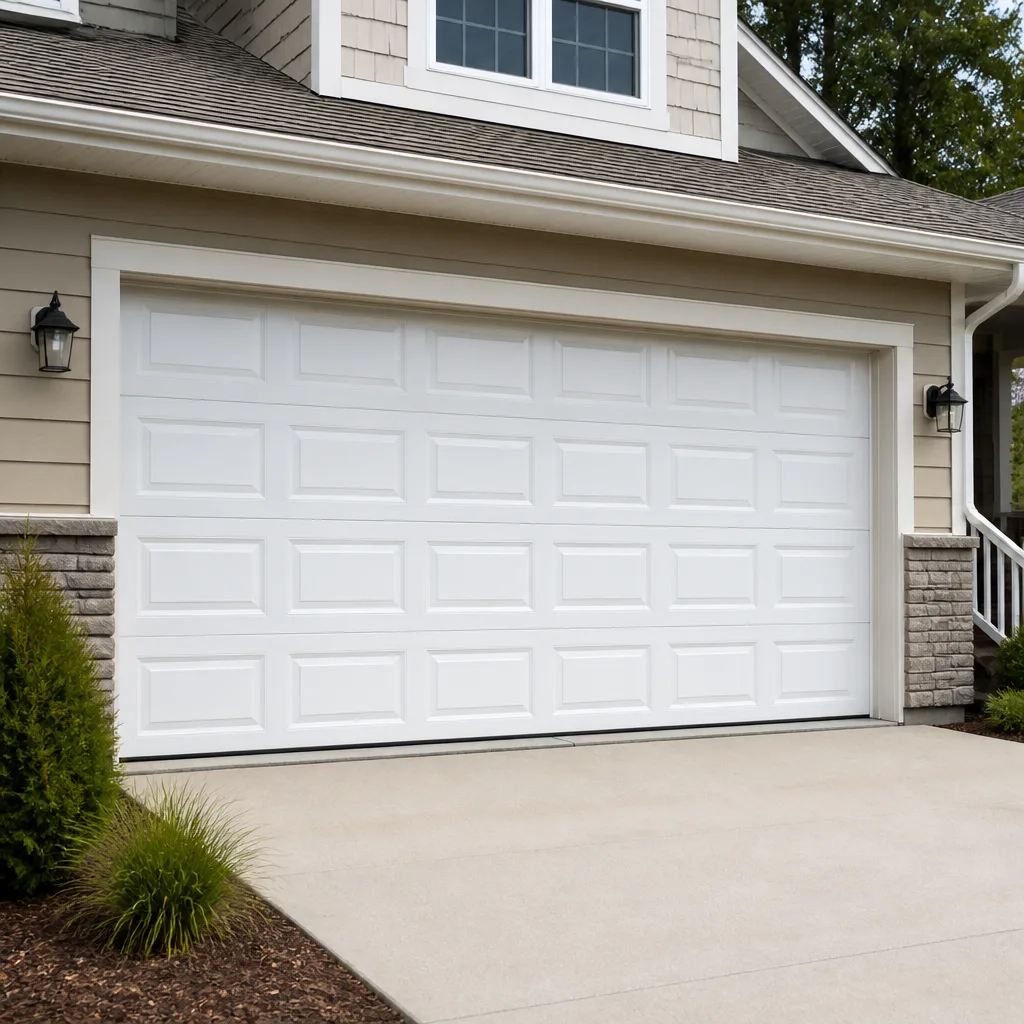 Raised-panel steel
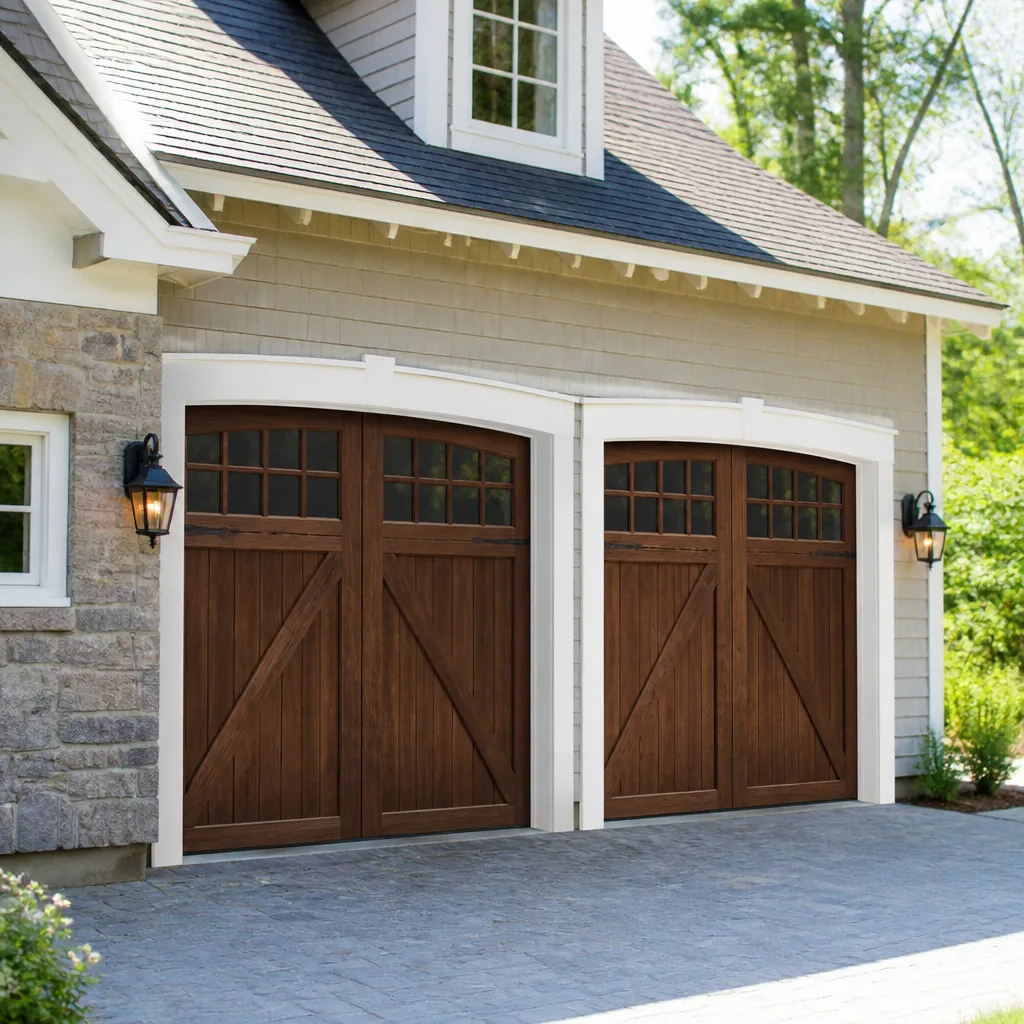 Carriage house
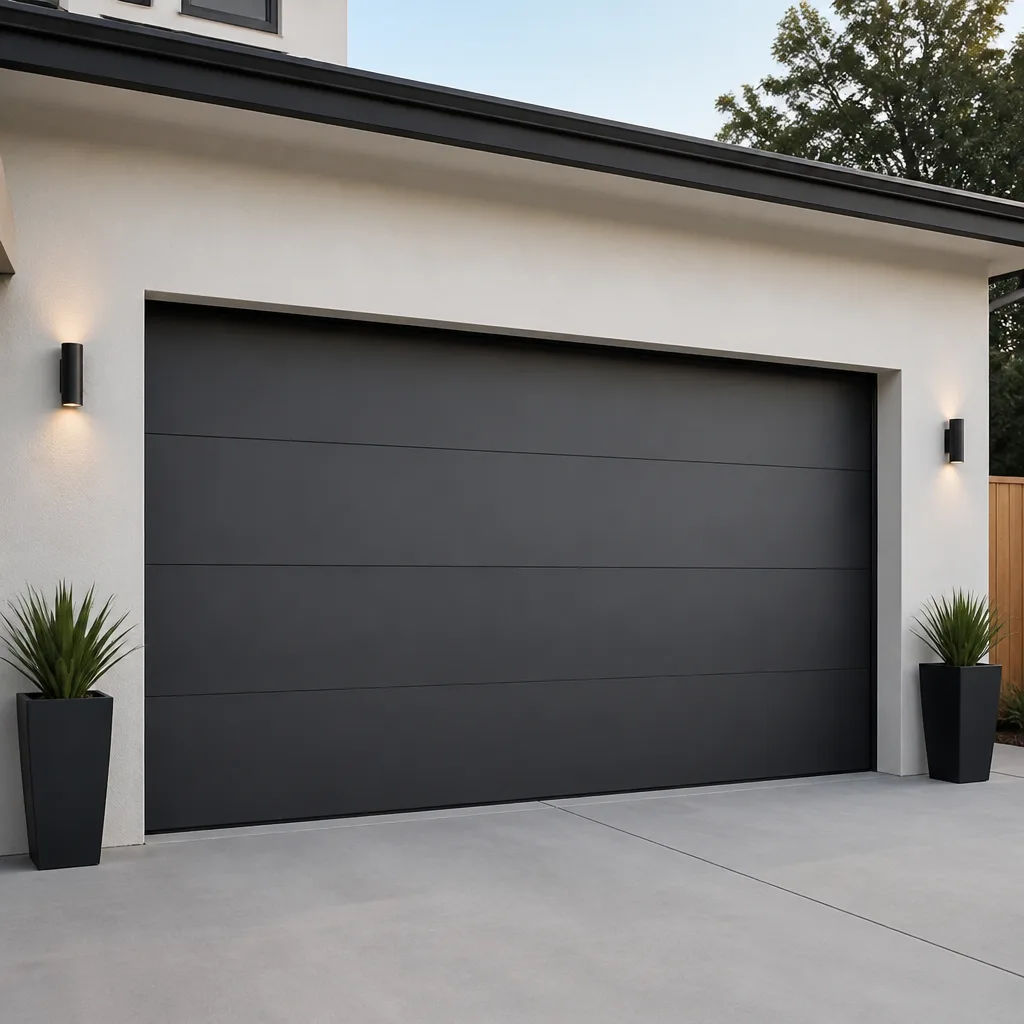 Modern flush
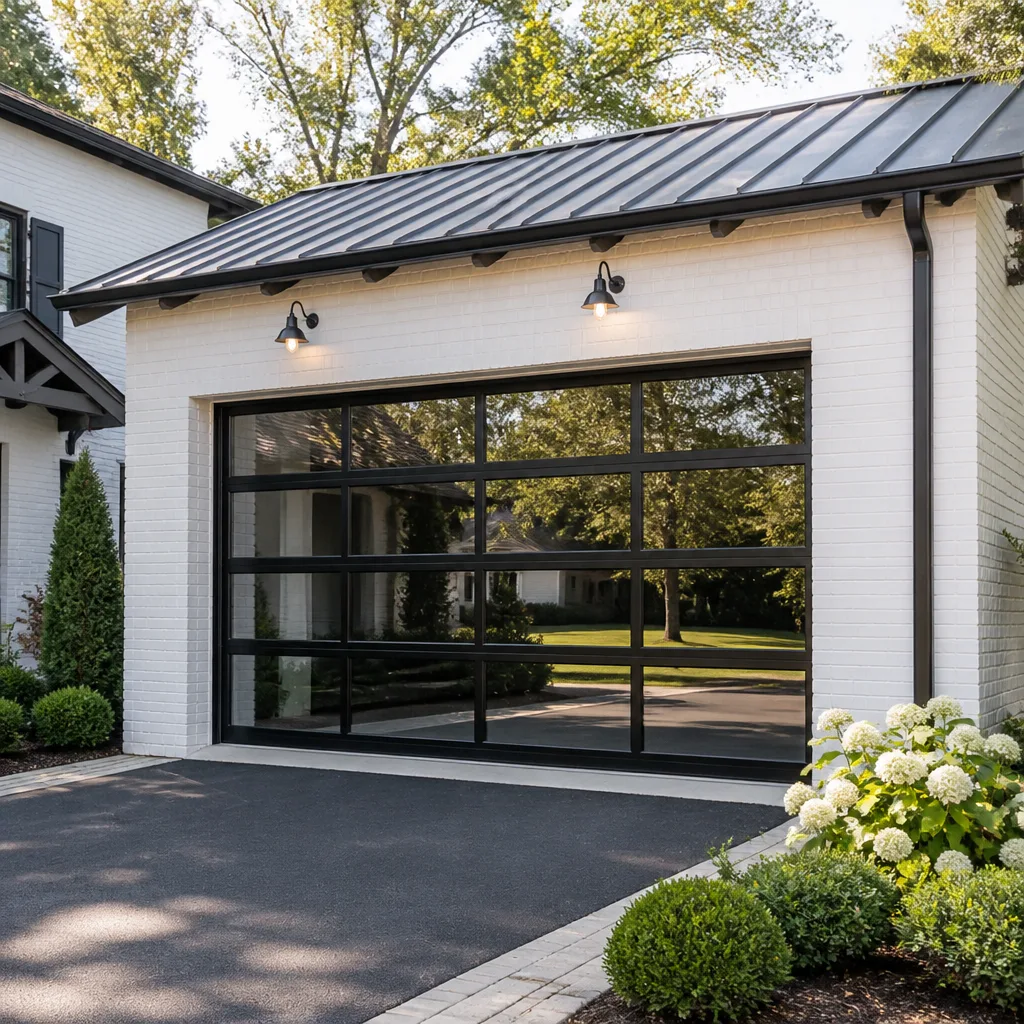 Full-view glass
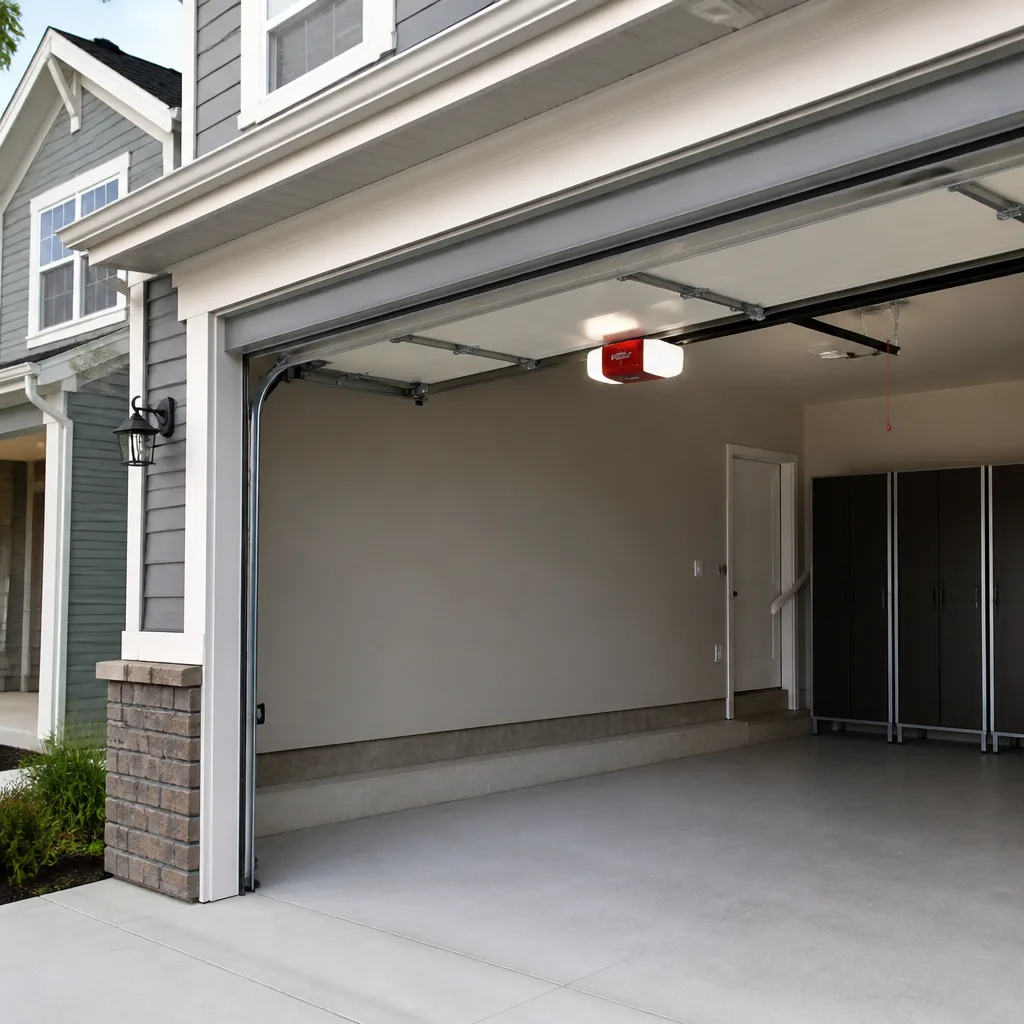 LiftMaster openers
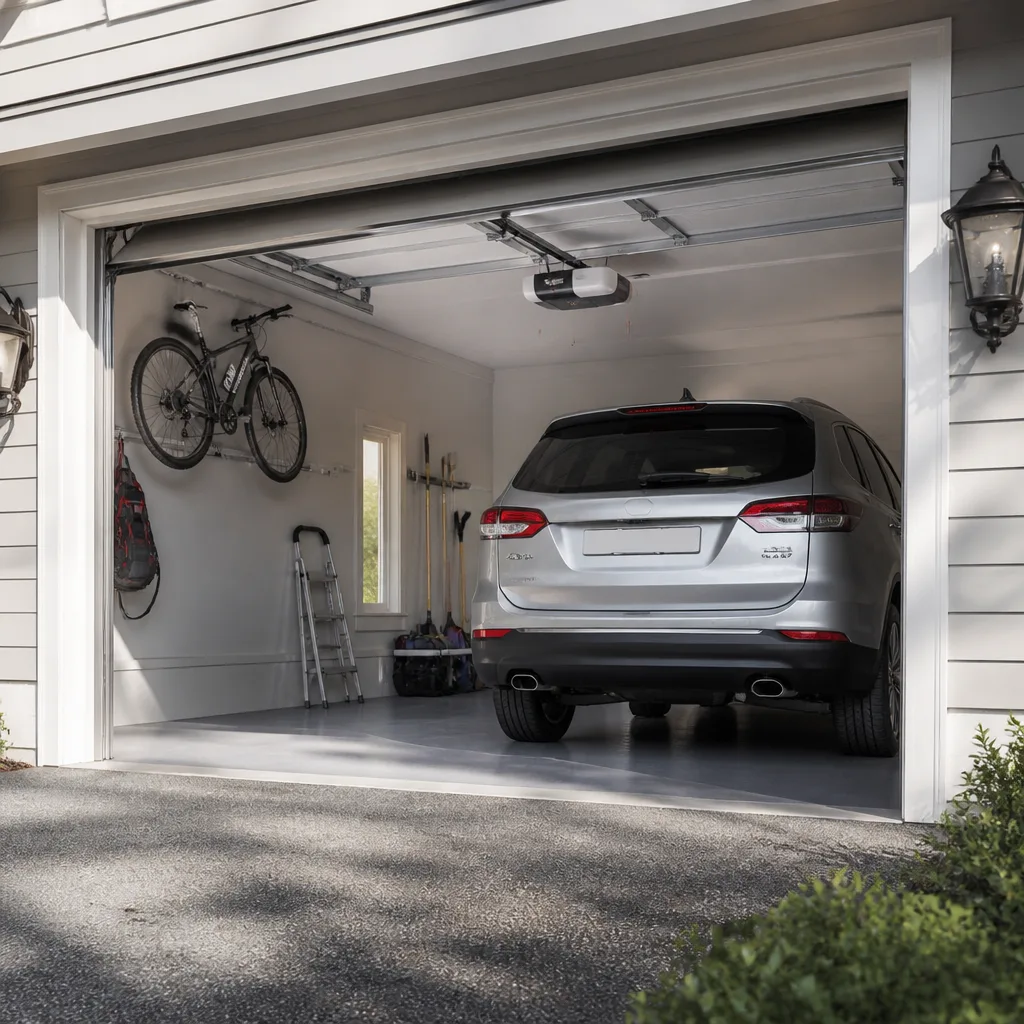 Chamberlain openers
Full 25-point door and opener safety check with every visit - springs, cables, rollers, tracks, and your LiftMaster or Chamberlain opener included
You get a price before we start. It does not change when the pro arrives.
Get your free estimateSeasonal Garage Door Care for Bethlehem: Year-Round Homeowner’s Guide
Most homeowners treat garage door maintenance as a winter job. That’s backwards for Bethlehem. The freeze-thaw cycle we get along the Lehigh Valley, where temperatures can swing 40 degrees in 48 hours, does its worst damage in late February and March, not in January. By the time the cold feels most brutal, the cycle of expansion and contraction has already been working on your torsion springs and bottom seal for months. The real maintenance window comes earlier, in fall, before the first hard freeze sets the pattern for the season ahead. In this guide we’ll walk through what actually happens to a garage door in the Lehigh Valley across all four seasons, a month-by-month task calendar built around Bethlehem’s weather patterns, and the specific moments when a five-minute check saves you a bigger repair later. Garage doors are all we do, and this is the schedule we’d follow on our own homes here.
Styles & brands we work with
- Raised-panel steel
- Carriage house
- Modern flush
- Full-view glass
- LiftMaster openers
- Chamberlain openers
Quick Answer
Seasonal garage door care in Bethlehem follows the freeze-thaw cycle: replace weatherstripping and lubricate moving parts in October before temperatures drop, watch for a frozen bottom seal in January and February, inspect springs carefully as temperatures thaw in March, and address humidity-related warping on wooden panels through summer. Doing the fall prep on time is what keeps spring failures and seal damage from compounding into bigger repairs by March.
Table of Contents
- Why Bethlehem’s Climate Is Hard on Garage Doors
- Fall Preparation: Why October Beats November in Bethlehem
- Winter: Handling a Frozen Bottom Seal Without Doing Damage
- Spring: The Highest-Risk Season for Torsion Springs
- Summer: Humidity, Wooden Doors, and Warping
- Month-by-Month Task Calendar for Bethlehem Homeowners
- What Brand You Own and Why It Matters for Seasonal Checks
- Common Mistakes to Avoid
- When to Call a Professional
- Frequently Asked Questions
- The Bottom Line
Why Bethlehem’s Climate Is Hard on Garage Doors
Bethlehem sits in the Lehigh Valley, which shapes its weather in ways that matter for a garage door. The valley traps cold air in winter and holds humidity in summer. Those two traits, working together with a freeze-thaw cycle that runs from roughly November through March, put more stress on door hardware than the raw temperature numbers would suggest. A torsion spring is a tightly wound steel coil. Every warm expansion and cold contraction flexes it. Cycle that dozens of times through a Bethlehem winter and you’re adding wear that a milder climate wouldn’t create.
The door itself moves through several cycles a day, and each cycle brings the bottom seal and the tracks into contact with whatever the weather has left behind. In a Lehigh Valley winter, that can be frost, ice, grit from road treatment, or a film of moisture that freezes overnight. Each of those adds friction and mechanical load.
What makes seasonal maintenance worth your time is that these forces compound. A small seal gap that lets moisture in during fall becomes a frozen seal in January, which then puts extra strain on the opener motor. None of these steps takes long. Skipping them lets a cheap fix turn into a repair that costs real money. We’ve seen this pattern play out across Bethlehem neighborhoods from College Hill to Southside, and it’s consistent enough that we plan our schedule around it.
Fall Preparation: Why October Beats November in Bethlehem
October is when weatherstripping replacement should happen in Bethlehem, not November. The reason is simple: weatherstripping needs to seat and settle before temperatures drop consistently below freezing, and a seal installed when it’s already cold won’t conform as well to the door’s edge. In November, the first hard freezes have often already arrived, which means a new seal goes on stiff and stressed from day one.
Here’s what fall prep should include:
- Replace the bottom weatherstripping while temperatures are still mild enough for the rubber to seat properly against the threshold. Look for cracking, flat spots, or sections that no longer touch the floor when the door is closed.
- Lubricate hinges, rollers, and the torsion spring with a proper garage door lubricant, not WD-40 or household oil. Proper lubrication reduces friction and helps the door run quieter and easier through cold months.
- Test the door balance by disconnecting the opener and lifting the door halfway. It should stay in place. If it drops, the springs are losing tension and need attention before winter adds more strain.
- Check the opener’s safety reverse by placing a small object in the door’s path and confirming it reverses. This matters more when ice and snow can confuse the sensors.
- Clear the tracks of debris and check they run straight. A bent track that’s barely noticeable in October becomes a stuck door in January.
- Inspect the door panels for loose hardware and tighten anything that has worked free over the summer.
Do all of this in October and you head into the Bethlehem winter with a door that’s been set up to handle freeze-thaw. Do it in November, after the first freeze, and you’re often working against the weather instead of ahead of it.
Winter: Handling a Frozen Bottom Seal Without Doing Damage
A frozen bottom seal is common in Bethlehem by January, and forcing the door is the fastest way to damage both the seal and the opener motor. When the rubber freezes to the concrete threshold, prying the door up or repeatedly cycling the opener puts a load on the motor and gearing it wasn’t built to handle. The seal itself can tear away from the door’s bottom edge.
Here’s the safer approach:
- Don’t force the opener. If the door won’t lift, stop cycling it. Repeated attempts to break a frozen seal can strip opener gears or trip the safety reverse repeatedly.
- Warm the seal gently. A hair dryer on a low setting, run along the bottom edge, releases most frozen seals without damage. Keep it moving and don’t hold it in one spot on the rubber.
- Clear the threshold. Once the door is up, remove ice and packed snow from the concrete directly under the seal. Meltwater that refreezes overnight is what causes the next freeze.
- Check the seal after release. Look for tears or sections that have pulled away. A seal damaged in January will let in more moisture and cold for the rest of the season.
Prevention goes a long way here. If your fall weatherstripping replacement was done properly, the seal sits tight enough to keep most moisture out but still releases cleanly when it does freeze. A seal that’s already cracked or flattened is far more likely to freeze solid and tear. During winter, keep the area under the door clear and avoid parking a wet vehicle directly against a closed door where meltwater can collect.
If your door is stuck open on a cold Bethlehem morning, that’s a case for garage door repair rather than a workaround. Call (833) 468-5855. We answer 24/7. Fast dispatch from 7am to 7pm, Sunday through Friday.
Spring: The Highest-Risk Season for Torsion Springs
Post-winter is the highest-risk season for torsion spring failure in Bethlehem, more so than deep winter. The reason is the thaw. Through February and March, temperatures swing hard in both directions, and each swing flexes the spring. After months of cold exposure and dozens of freeze-thaw cycles, a spring that was already near the end of its life can let go in the first warm week of March.
A tension check after winter is the single most useful thing you can do, and it’s also where homeowners should be most careful. Torsion springs store enormous energy. A spring under load can cause serious injury if it slips or releases unexpectedly during handling. What you can safely check is the door’s balance:
- Disconnect the opener using the manual release cord.
- Lift the door to about halfway and let go.
- A balanced door stays where you put it. A door that drops or rises on its own has a spring or tension problem.
- Listen for grinding or popping when the door moves. These can indicate a failing spring or a worn bearing plate.
- Look at the spring itself for visible gaps, a stretched coil, or rust. If you see any of these, stop using the door and call a technician.
Springs are dangerous. Leave them to a trained technician. This is not a job for a general handyman with a ladder. A spring replacement needs the correct winding bars, the right spring rated to your door’s weight, and the knowledge to set tension safely. We handle spring repair as a core part of our work, and it’s one of the reasons we keep the service focused on garage doors alone.
Summer: Humidity, Wooden Doors, and Warping
Bethlehem summers are humid, and humidity is the main threat to wooden garage door panels. Wood absorbs moisture from the air, and a door with a worn finish takes on water unevenly. One panel swells more than another, the door starts to bind in its tracks, and what looks like a minor cosmetic issue becomes structural warping that can’t be reversed.
What to watch for before warping becomes permanent:
- Panel edges that feel soft or spongy when you press them. This signals moisture has gotten under the finish.
- Paint or stain that’s peeling or blistering, especially along the bottom edge and around windows. Once moisture gets under the finish, it spreads.
- Doors that stick or rub in the tracks during humid weeks but free up when it’s dry. That’s swelling, and it’s an early warning.
- Visible gaps between panels or joints that look wider than they did in spring.
Summer is also the right time to reseal or repaint a wooden door, because the finish needs dry weather to cure properly. Getting a coat of finish on before the humid stretch does more for a wood door than any repair afterward. If your door is a Clopay or Amarr wood-composite model, check the manufacturer’s finish recommendations, since these materials handle humidity differently from solid wood.
Humidity also stresses the opener. A door that binds in the tracks during humid weeks puts extra load on the motor every time it runs, which is why garage door opener repair calls often pick up in July and August.
Month-by-Month Task Calendar for Bethlehem Homeowners
This calendar maps to Bethlehem’s actual seasonal pattern: freeze-thaw from November through March, humid summers from June through August, and short transition windows in spring and fall. The transitions are when most of the real prep work should happen.
- September: Inspect the door after summer humidity. Check for swelling, sticking, and finish wear before the wet fall sets in. Lubricate hinges and rollers.
- October: The main prep month. Replace weatherstripping while temperatures are still mild, test door balance, check the safety reverse, and clear the tracks.
- November: Final pre-winter check. Confirm the seal is seated, lubricate the torsion spring, and tighten any hardware loosened over the summer.
- December: First hard freezes arrive. Watch for a frozen bottom seal and clear ice from the threshold. Don’t force a stuck door.
- January: Peak cold. Keep the area under the door clear, avoid parking wet vehicles against a closed door, and listen for new noises from the opener.
- February: The freeze-thaw cycle intensifies. Check the seal for damage after each thaw and monitor for spring noise.
- March: Highest-risk month for spring failure. Do a full balance check, inspect the spring visually, and book a professional spring inspection if anything looks off.
- April: Post-winter recovery. Replace any seal damaged over the winter and clear the tracks of grit and road debris.
- May: Transition month. Reseal or repaint a wooden door before the humid stretch begins.
- June: Humidity rises. Watch for doors that stick during damp weeks and check wooden panels for softness.
- July: Peak humidity. Check finish integrity on wood doors, and listen for opener strain if the door is binding.
- August: Late-summer check before fall prep. Look for warping that appeared over the season and plan any needed repairs for September.
That’s twelve touchpoints, most of them quick. The two that matter most are October and March: fall prep sets the door up for winter, and spring inspection catches what winter did to it.
What Brand You Own and Why It Matters for Seasonal Checks
Seasonal care is broadly the same across brands, but the specific parts that fail and the maintenance points to watch vary. Knowing your brand helps you know what to look at. We work on LiftMaster, Chamberlain, Genie, Clopay, Amarr, Wayne Dalton, Craftsman, and Raynor equipment, so there’s no dead end if your door or opener is one of these.
Two examples. A Genie opener has its own safety sensor and force-setting procedures, and those should be rechecked each fall, just like any other brand’s. A Clopay or Amarr wooden door has specific finish requirements you’ll want to follow before summer humidity. Wayne Dalton doors and their openers also have their own torque and tension specifications, which matter when a technician is evaluating a balance issue.
If you’re not sure what brand you have, the label is usually on the opener motor housing and on the door’s end stile or bottom bracket. Take a photo before you call and you’ll get a faster, more accurate answer. Whether you’re doing a seasonal check or facing a repair that turns into a replacement decision, garage door repair and garage door installation are both handled by the same team, so you won’t need to find a second company if the conversation shifts.
Common Mistakes to Avoid
- Doing fall weatherstripping in November instead of October. A seal installed after the first hard freeze seats poorly and is more likely to tear in its first winter. October gives the rubber time to conform to the threshold.
- Forcing a frozen door with the opener. Repeated cycles against a frozen seal strip opener gears and can tear the seal off the door’s bottom edge. Warm the seal gently and clear the threshold instead.
- Treating March like a low-risk month. The thaw, not the cold, is what breaks springs in Bethlehem. After a winter of freeze-thaw, a balance check should be a priority, not an afterthought.
- Ignoring summer humidity on a wooden door. Warping that starts in July is often permanent by September. Once panels swell unevenly, the fix is far more involved than a fresh coat of finish.
- Using the wrong lubricant. Household oil and general-purpose sprays attract grit. Use a garage door lubricant on hinges, rollers, and the torsion spring.
- Adjusting torsion springs yourself. Springs store dangerous energy and can cause serious injury. This is the one seasonal task that should always go to a trained professional.
- Skipping the opener safety-reverse test. Ice, snow, and grit can interfere with the sensors during winter. Testing the reverse function each fall keeps a small sensor problem from becoming a safety issue.
When to Call a Professional
Some seasonal tasks are safe for a homeowner: lubricating hinges, clearing tracks, checking door balance, and inspecting the seal. Others should always go to a technician. Call a professional if the door won’t stay in place during a balance check, if you hear popping or grinding from the torsion spring, if the spring shows visible gaps or rust, if the door is visibly warped, or if the opener strains or reverses on its own. A door that’s been forced against a frozen seal may also need a professional look, even if it seems to work afterward, because gear damage doesn’t always show up immediately.
Bethlehem Garage Door Repair Pros offers free estimates in Bethlehem. Call (833) 468-5855. We answer 24/7. Fast dispatch from 7am to 7pm, Sunday through Friday. Our technicians have up to 15 years of experience, and garage doors are all we do, from seasonal checks to emergency calls when a door is stuck open.
Frequently Asked Questions
Do your main fall maintenance in October, not November. Weatherstripping needs mild temperatures to seat properly, and the first hard freezes often arrive in November. October is also the right month to test door balance and check the safety reverse before winter adds strain. Call (833) 468-5855 if you’d rather have a technician handle it. Estimates are free.
Spring repair in Bethlehem typically runs $180 to $340 for a single spring, based on the door’s size and spring type. A matched pair is usually replaced together, so a pair costs about twice that, roughly $360 to $680. The written estimate sets the final price, and it’s quoted and agreed before any work starts. Call (833) 468-5855 for an exact quote. Estimates are free.
Yes. Emergency garage door service is a core part of our work, so if your door is stuck open or won’t move, call (833) 468-5855. We answer 24/7. Fast dispatch from 7am to 7pm, Sunday through Friday. We’re closed Saturday, and calls outside dispatch hours are booked into the next opening, Sunday through Friday, 7am to 7pm.
No. Forcing the door with the opener when the seal is frozen can strip opener gears or tear the seal off the door’s bottom edge. Warm the seal gently with a hair dryer on low and clear the ice from the threshold before cycling the door. If the seal tore or the opener is straining afterward, call a technician. Call (833) 468-5855. Estimates are free.
Torsion springs fail more often in March because that’s when the freeze-thaw cycle does its heaviest work in Bethlehem. Repeated warm-cold swings flex the spring, and a spring near the end of its life often lets go during the thaw. A balance check in early March is the best way to catch a problem before it becomes an emergency. If anything looks off, call (833) 468-5855 for a professional inspection.
Watch for panels that feel soft or spongy, finish that’s peeling or blistering, and doors that stick in the tracks during humid weeks. These are early signs that moisture is getting into the wood. Resealing or repainting before or during a dry stretch prevents most humidity damage. If the door is already warped or binding, call (833) 468-5855 for a free estimate.
The Bottom Line
Seasonal garage door care in Bethlehem comes down to two anchor months: October and March. October prep, from weatherstripping replacement to a balance check, sets the door up before the freeze-thaw cycle begins. March inspection catches what winter did to the springs and seal before it becomes a bigger repair. Everything in between, from clearing ice off the threshold in January to watching for humidity swelling in July, is small attention that keeps the door running safely.
The tests you can do safely are worth doing. The torsion spring is not one of them. When the spring, the opener, or the door structure needs attention, that’s the point to call a specialist rather than push the door harder.
Bethlehem Garage Door Repair Pros handles garage door repair, opener service, spring replacement, and new door installation, and we work on LiftMaster, Chamberlain, Genie, Clopay, Amarr, Wayne Dalton, Craftsman, and Raynor equipment. If you’d like a technician to handle your seasonal check or an urgent repair, call (833) 468-5855 for a free estimate. You’ll find the full overview of what we do on the Bethlehem Garage Door Repair Pros home page.
Written by the team at Bethlehem Garage Door Repair Pros.
See the difference
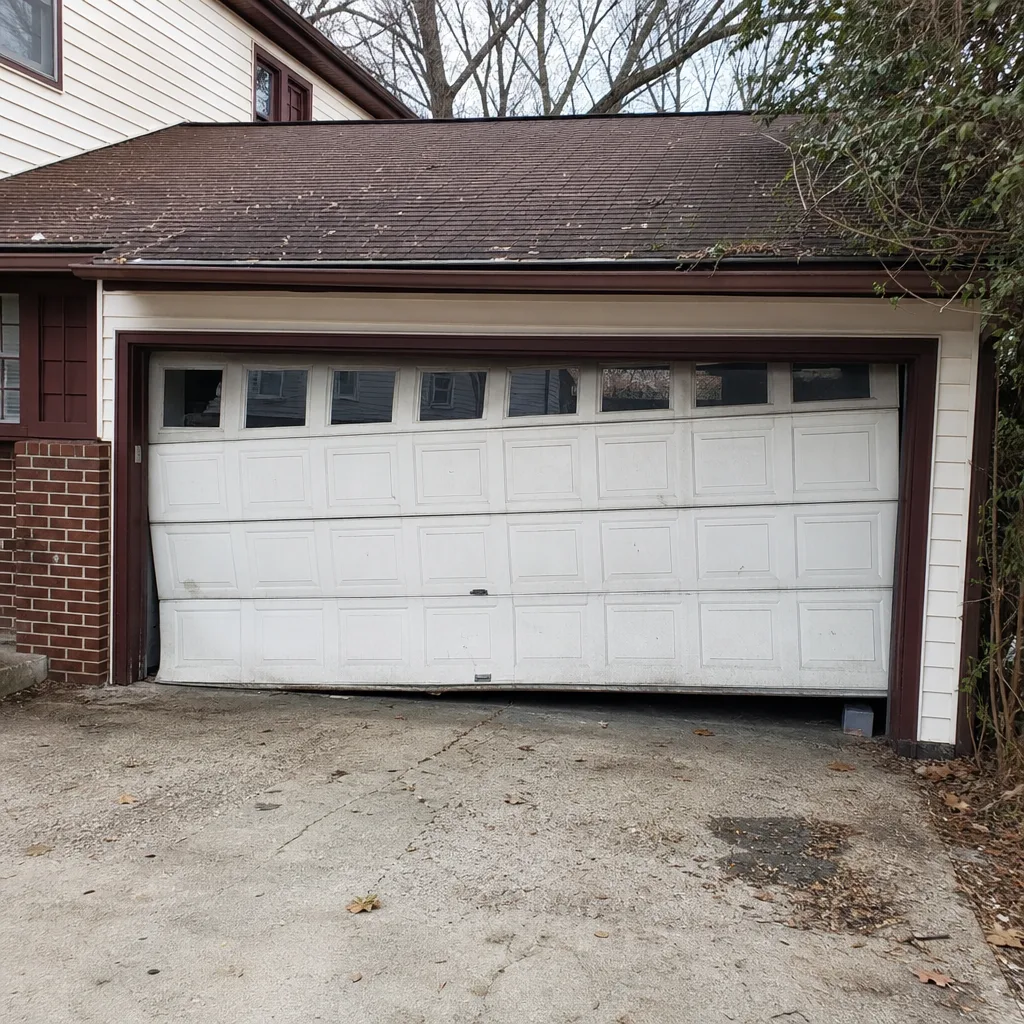 Before
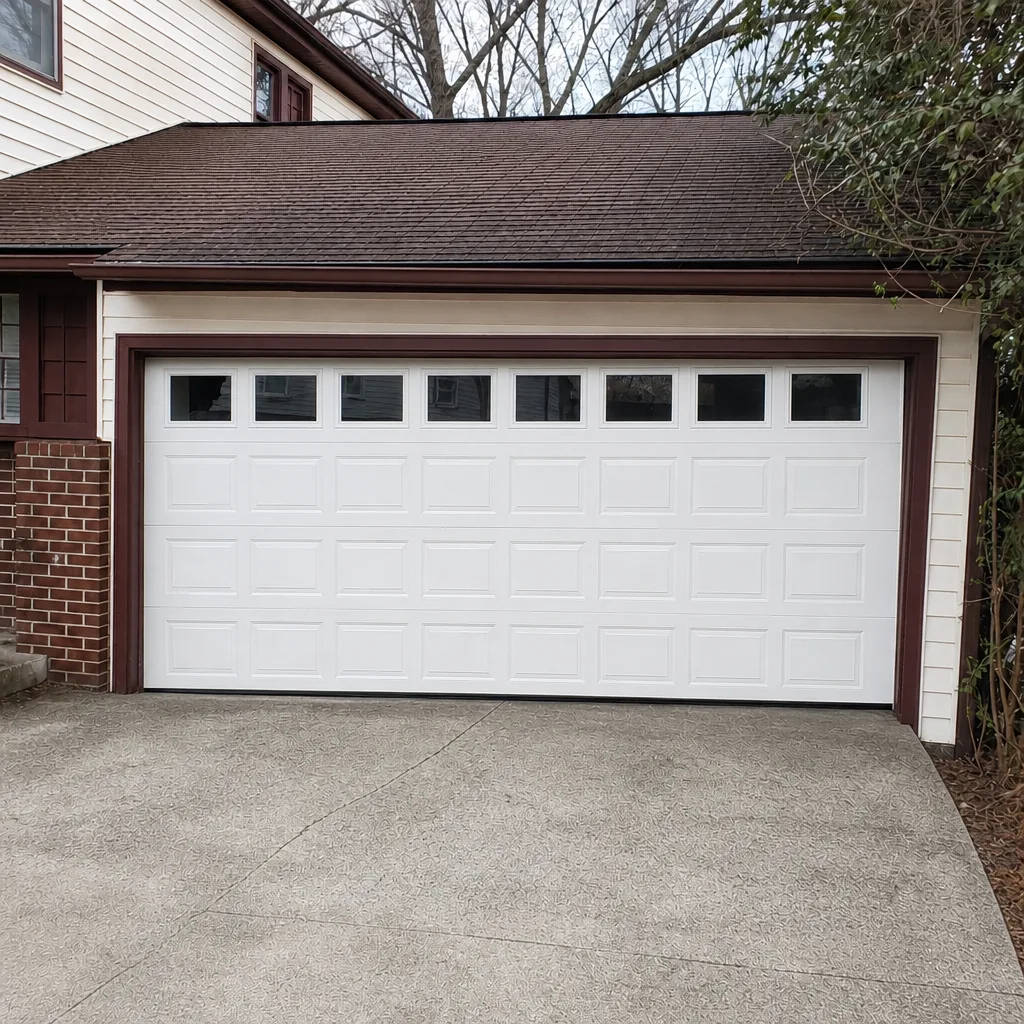 After
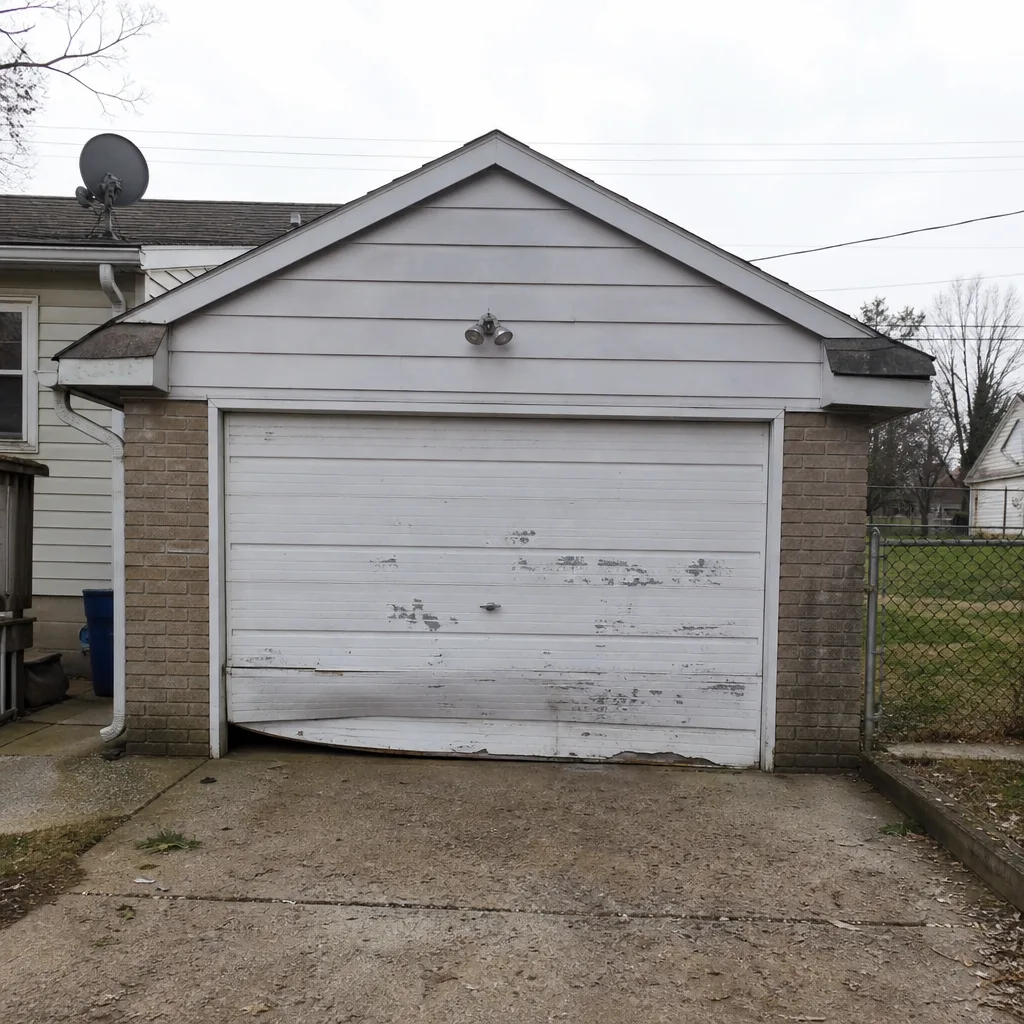 Before
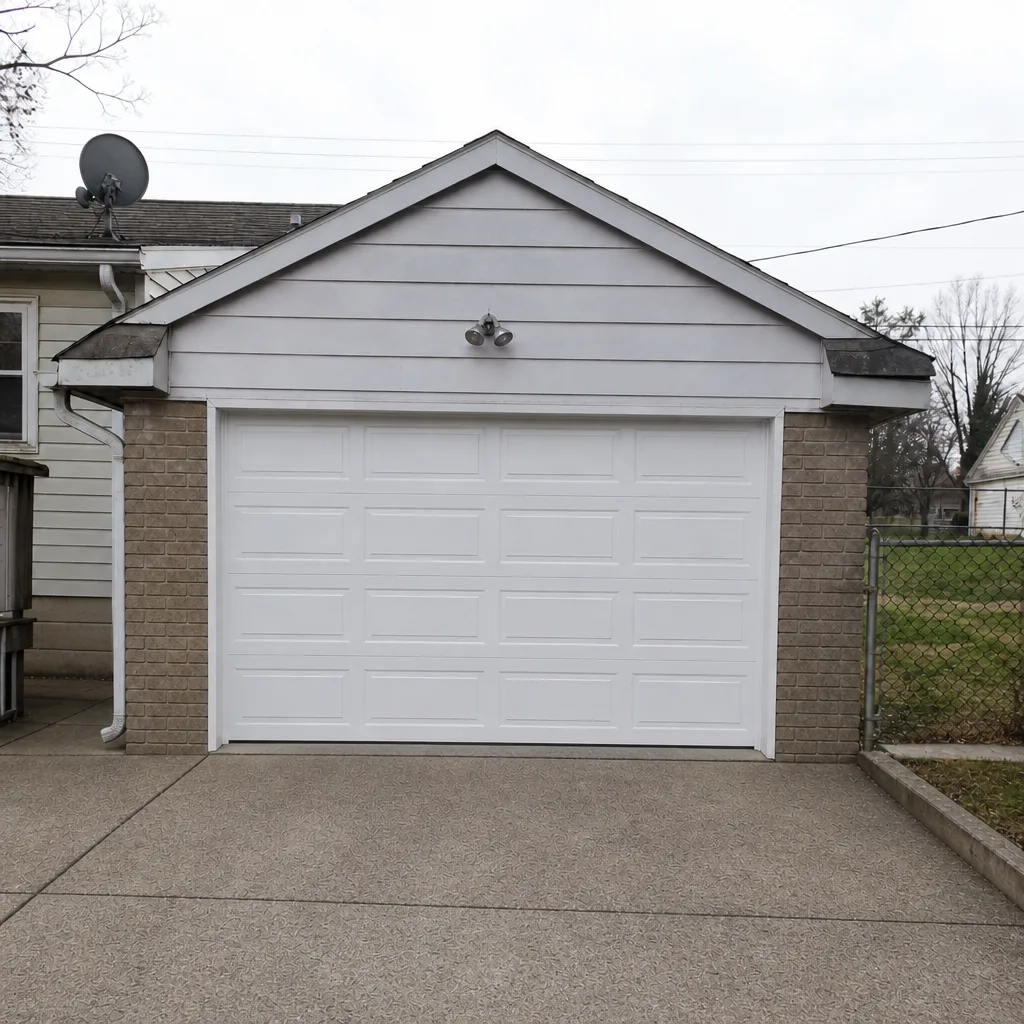 After
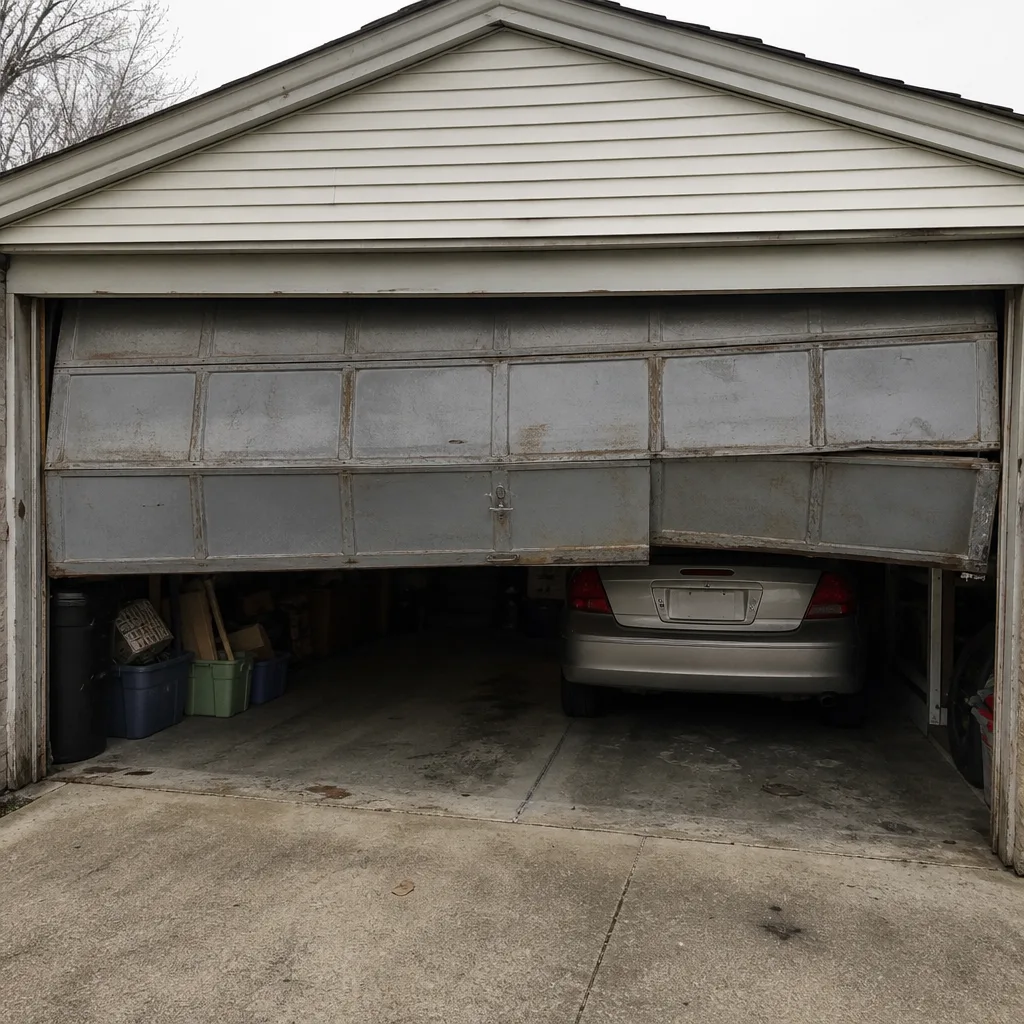 Before
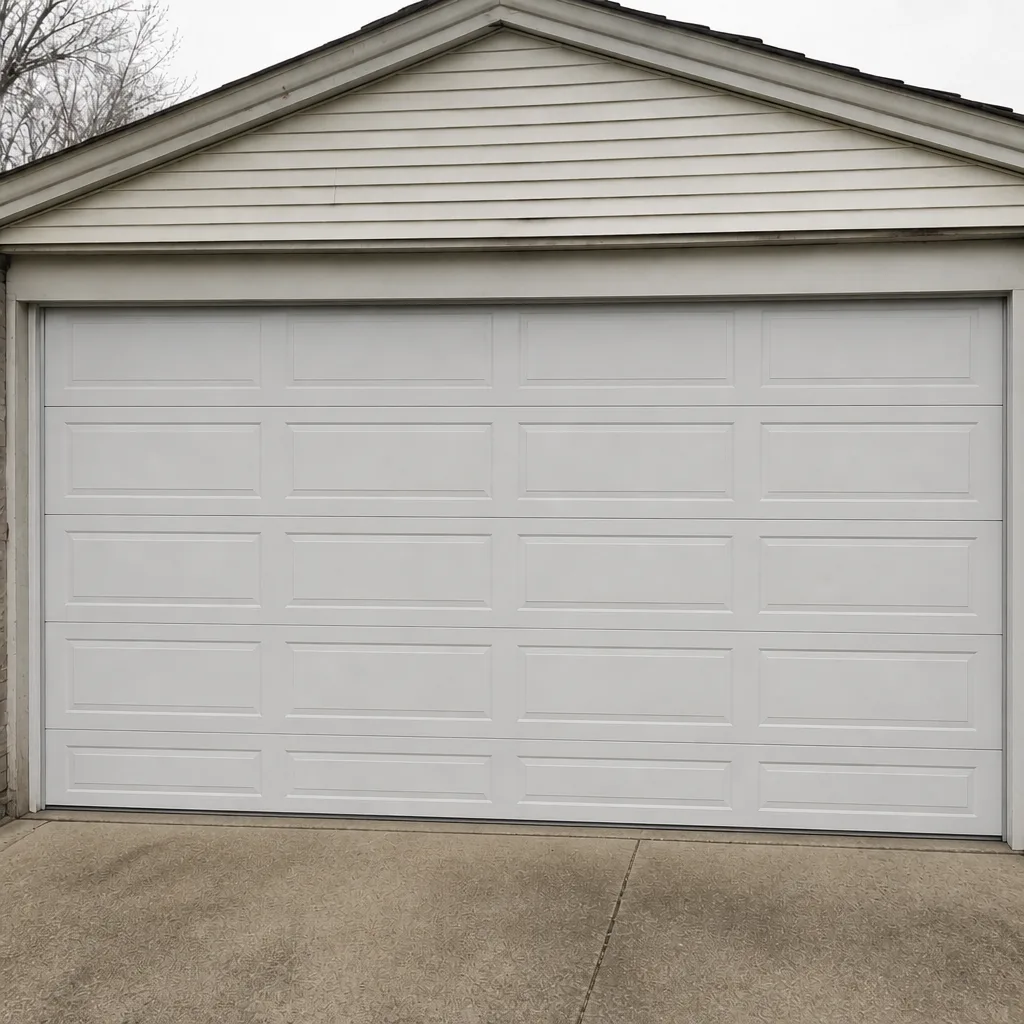 After