
Last updated November 22, 2026
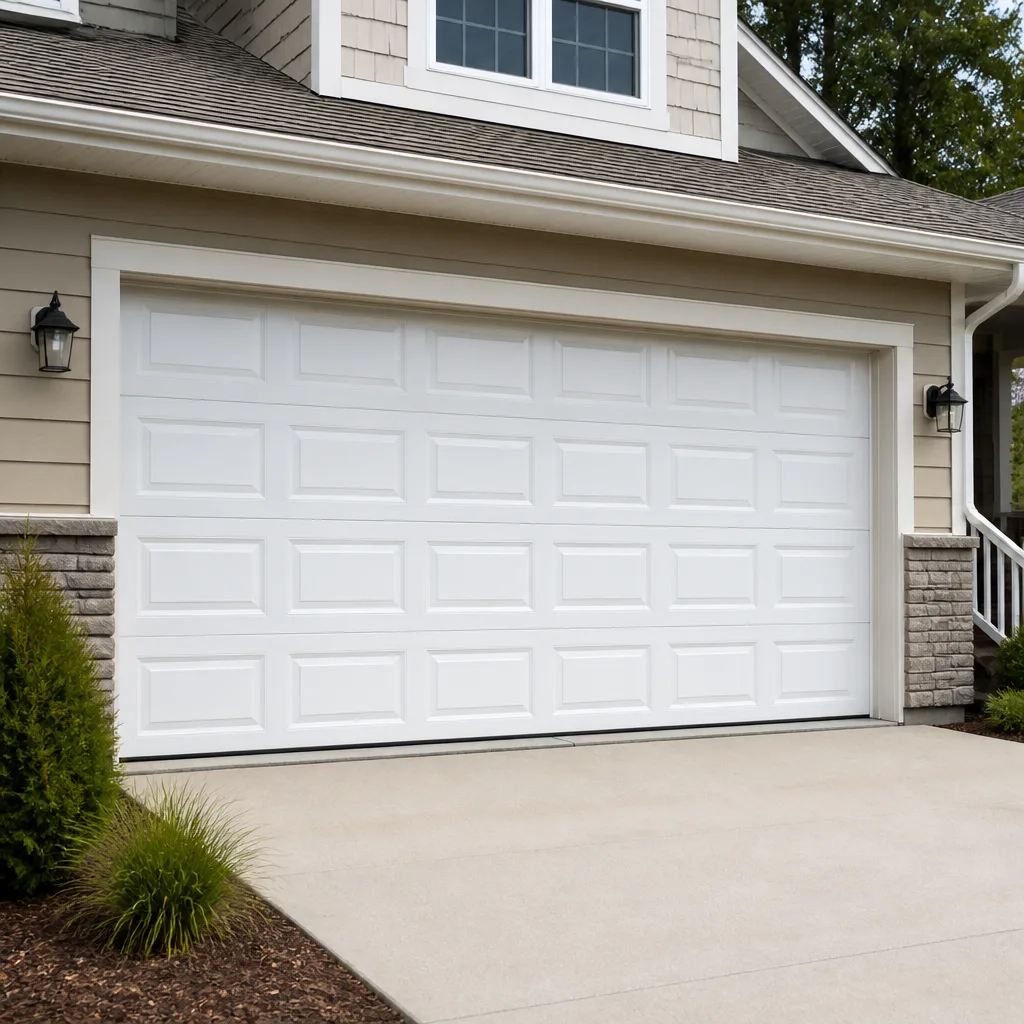 Raised-panel steel
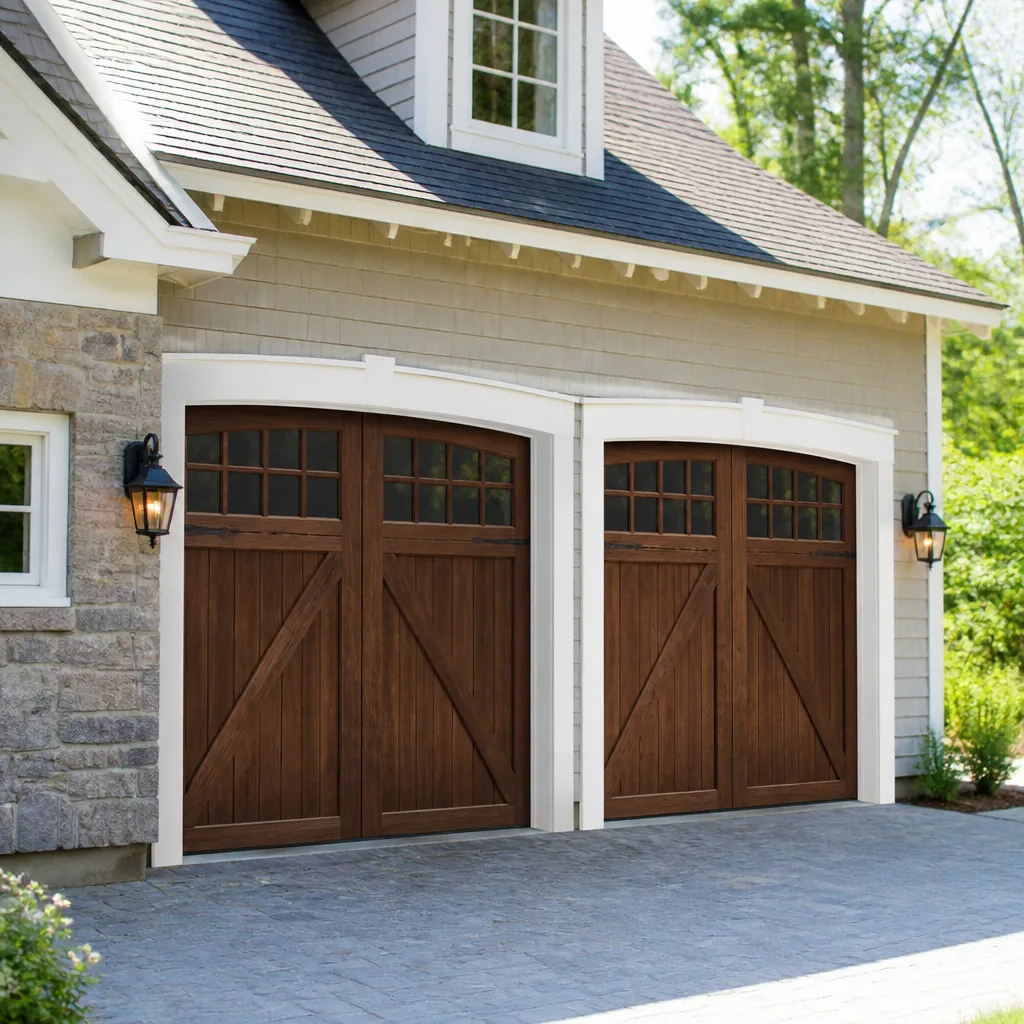 Carriage house
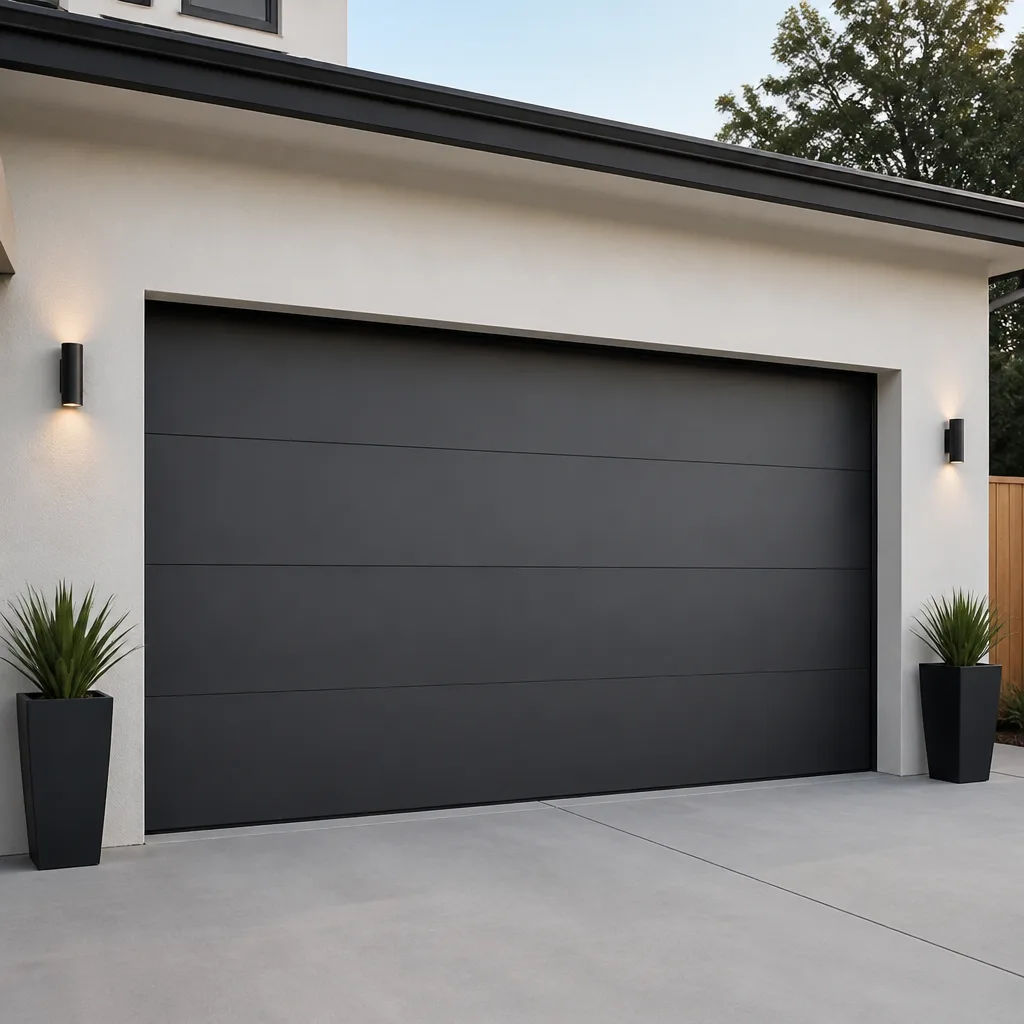 Modern flush
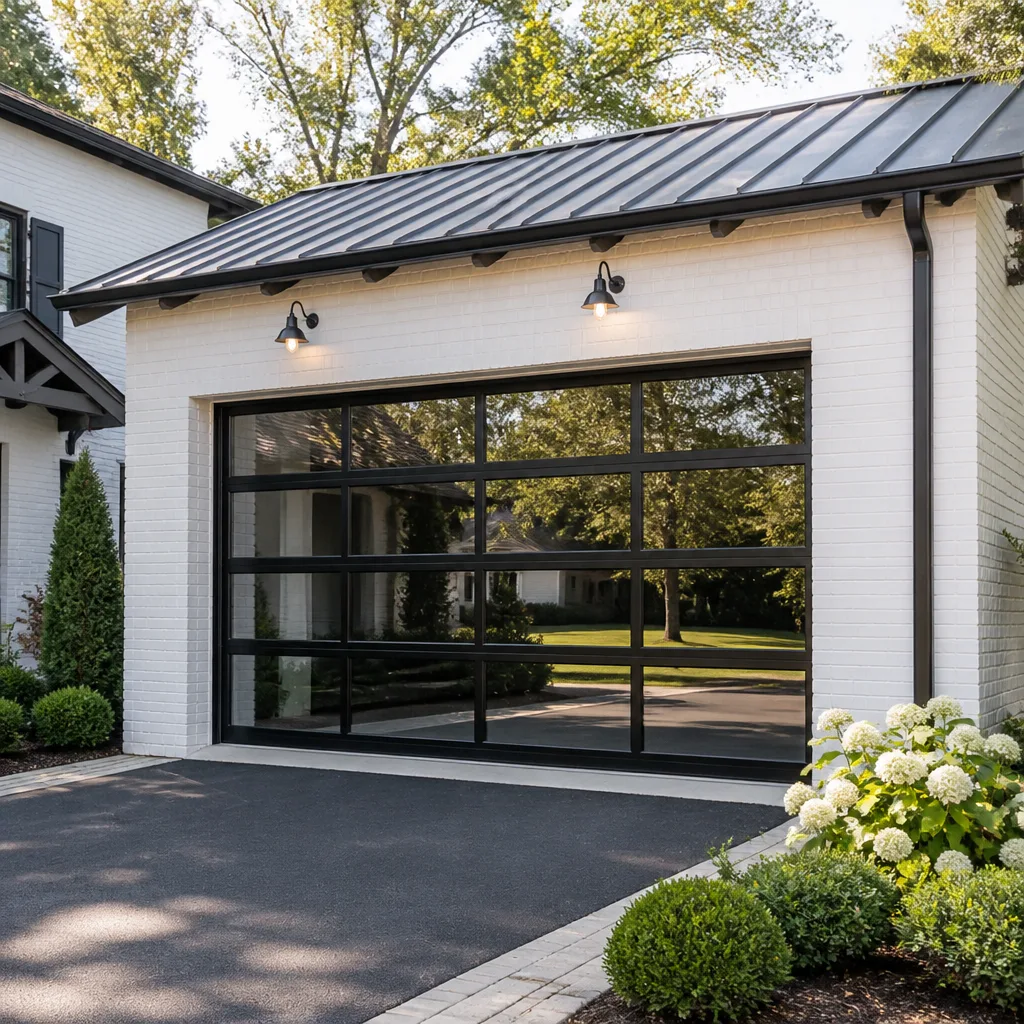 Full-view glass
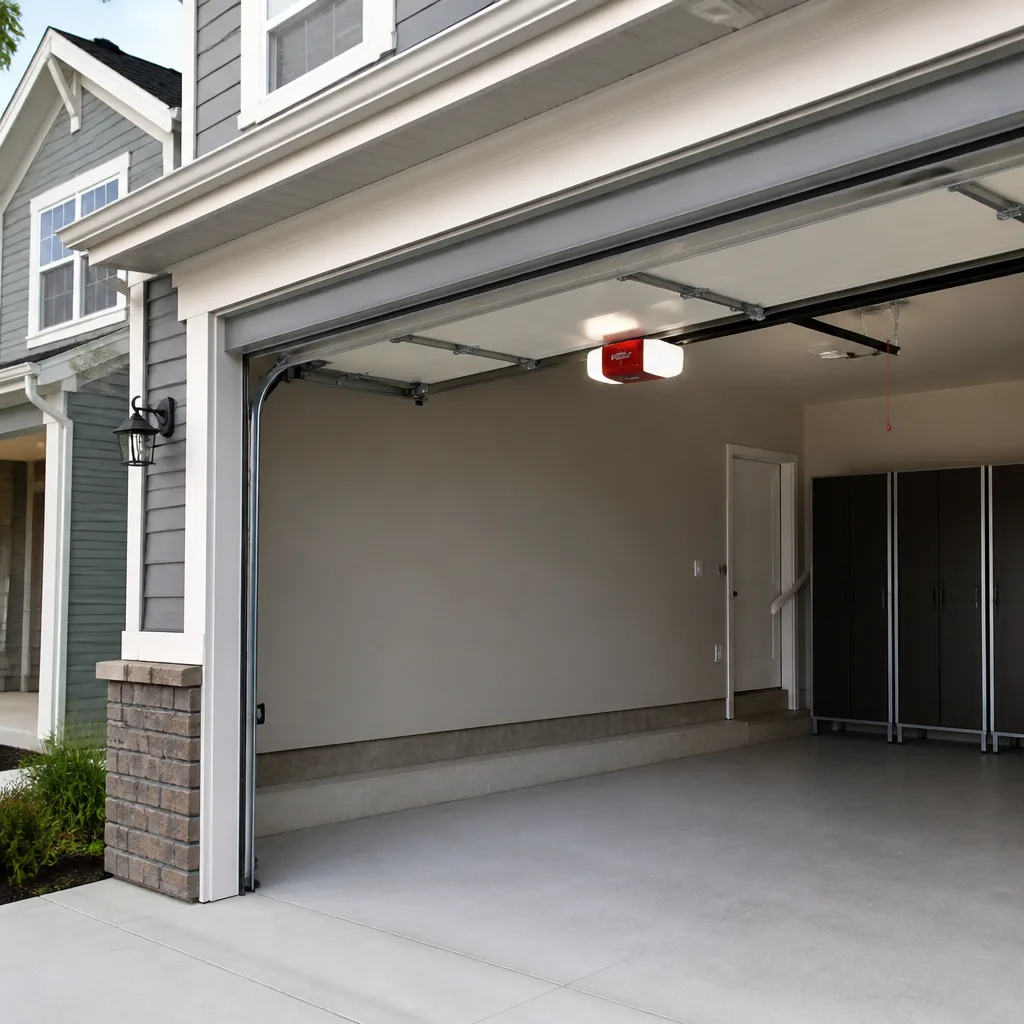 LiftMaster openers
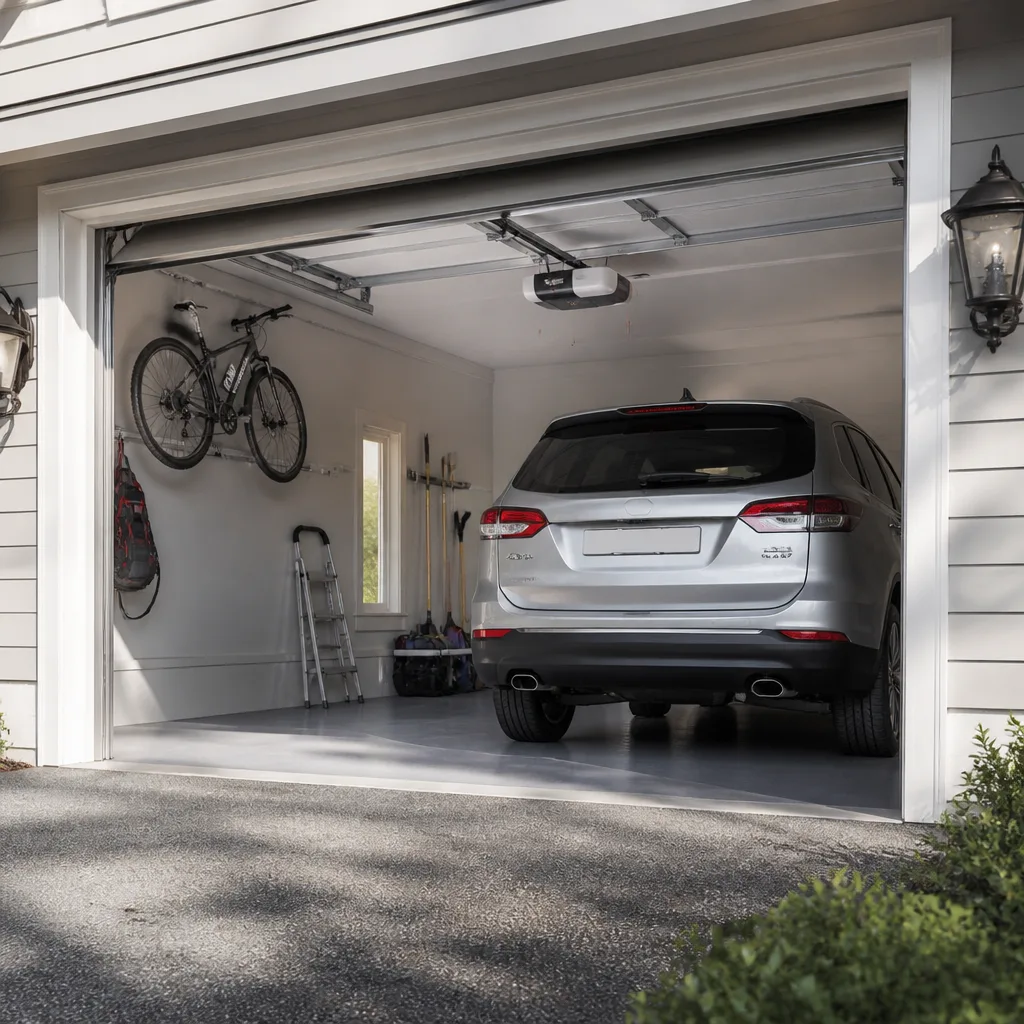 Chamberlain openers
Full 25-point door and opener safety check with every visit - springs, cables, rollers, tracks, and your LiftMaster or Chamberlain opener included
You get a price before we start. It does not change when the pro arrives.
Get your free estimateHow to Hire a Garage Door Contractor in Bethlehem: A Step-by-Step Guide
Pennsylvania doesn’t require a specialty license to work on garage doors. That single fact changes how you should hire. The person who quotes your spring replacement may have learned the trade last month, and nothing on paper stops them. The difference between a repair that holds for six years and one that fails by fall usually comes down to one thing: whether you hired a specialist who works on garage door systems every day or a general handyman who does doors on the side. This guide shows you the questions, the quote details, and the red flags that separate the two in Bethlehem, so you can hire with confidence and get the right person the first time.
Quick Answer
To hire a garage door contractor in Bethlehem, verify insurance that specifically covers garage door work, ask five diagnostic questions before anyone comes out, and insist on a written itemized quote before work begins. Choose a single-trade specialist who handles springs, openers, and installation rather than a generalist, because component-level knowledge is what makes a repair last. Ask for the quote in writing, confirm what’s itemized, and never let work start without an agreed price.
Styles & brands we work with
- Raised-panel steel
- Carriage house
- Modern flush
- Full-view glass
- LiftMaster openers
- Chamberlain openers
Table of Contents
- What Insurance Should a Garage Door Contractor Carry in PA?
- Five Questions to Ask on the Phone Before You Book
- How to Read a Written Garage Door Quote
- Lehigh Valley Red Flags and Bait-and-Switch Spring Pricing
- Why a Specialist Beats a General Contractor on Doors
- Matching the Contractor to Your Brand and System
- The Step-by-Step Hiring Process
- Bethlehem Climate and Housing: What It Means for Your Door
What Insurance Should a Garage Door Contractor Carry in PA?
A garage door contractor in Pennsylvania should carry both general liability insurance and workers’ compensation coverage. General liability alone isn’t enough for spring work. If a technician is injured on your property, workers’ comp is what protects you from being pulled into a claim. Ask for a certificate of insurance that names both, and confirm the policy is current.
Here’s why this matters more for garage doors than for most trades. A torsion spring under tension stores enormous force. When it lets go during a repair, the result can be serious injury and damage to the door, the tracks, and anything nearby. A contractor who carries only a bare general liability policy may not be covered for the specific work being done, and a homeowner can end up exposed. The local pro you hire should be licensed and insured as their state requires, and they should be willing to email you a current certificate without hesitation.
What to confirm before you book:
- General liability – covers damage to your property or door during the job.
- Workers’ compensation – covers the technician if they’re hurt on your property.
- Current certificate – not a photocopy from years ago; ask for a current one.
- Coverage for spring and high-tension work – some policies exclude it, so ask directly.
If a contractor can’t produce a current certificate or dodges the question, that’s your answer. Move on. In Bethlehem, where plenty of older homes have original or aging door systems, the risk of a high-tension failure during a repair is real, and the insurance question isn’t paperwork for its own sake. It’s the difference between a covered job and a problem that lands on you.
Five Questions to Ask on the Phone Before You Book
You can learn a lot before anyone comes to your home. Ask these five questions on the first call and listen carefully to how the person answers. A vague answer is a signal. A specific one tells you they know the job.
- “What’s the make and model of my opener, and do you service it?” A specialist will ask you to read the label or describe the unit and will tell you whether they work on that brand. We work across LiftMaster, Chamberlain, Genie, Clopay, Amarr, Wayne Dalton, Craftsman, and Raynor, so there are no dead ends. If the person on the phone says “we’ll figure it out when we get there,” that’s a warning.
- “How do you diagnose a door that won’t close all the way?” A trained technician will mention the safety sensors, the travel limits, the tracks, and the springs as possible causes. A generalist will guess. Listen for a structured answer.
- “Do you do spring work, and how do you handle the tension?” Springs are the most dangerous part of the job. A specialist will talk about winding bars, controlled release, and why the door has to be balanced first. Anyone who sounds casual about springs is a risk.
- “Will I get a written quote before work starts?” The answer should be an immediate yes. The price is quoted and agreed before any work begins, and the written estimate sets the final price. If the answer is “we’ll see once we’re there,” keep calling.
- “What brands and models do you work on?” A single-trade specialist will name specific systems and explain compatibility. A handyman who does doors occasionally will give a broad “we do all of them” with no detail.
A vague answer to any of these five is your signal to keep looking. The right contractor answers them in plain language and doesn’t rush you off the phone. In our experience, the contractors who take five minutes to answer these questions are the same ones who take the time to do the repair correctly.
How to Read a Written Garage Door Quote
A written garage door quote should itemize parts, labor, and any disposal or haul-away separately. “Labor included” as a single lump sum hides what you’re actually paying for and makes it impossible to compare quotes. The written estimate sets the final price, so read it before you agree.
What a fair quote should show:
- Parts, named specifically – the spring type and size, the opener model, the roller or hinge count. Not “springs” and “hardware.”
- Labor as its own line – so you know what the work itself costs.
- Disposal or haul-away – if the old door or parts are being removed, it should be stated.
- Whether the price is for one spring or a matched pair – this is critical; a pair costs about twice a single spring.
- A stated total – the number you’ll pay, not a range that can drift.
A quote that’s suspiciously low deserves a second look. In the Lehigh Valley market, a spring replacement quote that comes in far under the typical range usually means one of two things: a single spring is being priced where a pair is needed, or the part is a lower-grade spring that will fail sooner. Neither is a bargain. The price is quoted and agreed before any work starts, so there’s no reason to accept a number that isn’t fully explained.
Compare two or three written quotes side by side. If one is dramatically lower, ask what part is being used and whether it’s a matched pair. A good contractor will explain the difference without pressure. For a closer look at how a full repair quote breaks down, see our page on garage door repair.
Lehigh Valley Red Flags and Bait-and-Switch Spring Pricing
The most common bait-and-switch pattern in the Lehigh Valley market is a low advertised spring price that turns into a much higher bill once the technician is in your driveway. The low number gets the call; the real number shows up after the door is apart. Knowing the pattern is the best protection.
Watch for these red flags, all of which come up in local consumer complaints:
- A spring price quoted before anyone sees the door. Spring size and door weight have to be matched, so a firm price over the phone without a look is a guess at best.
- A price that jumps once the door is disassembled. The quote should be agreed before work starts, not renegotiated mid-job with the door in pieces.
- One spring quoted when the door needs a pair. Most doors use a matched pair, and replacing one leaves the other to fail soon after.
- No written quote at all. A verbal number is not a quote. Ask for it in writing.
- Pressure to decide on the spot. A fair price holds for a day while you think about it.
- Cash-only and no receipt. A legitimate contractor provides a written invoice.
- “We don’t service that brand” after the visit. A specialist should know your system before arriving.
If a technician starts work and then raises the price, stop and ask for the written estimate you agreed to. The written price is the price. In Bethlehem, the spring repair market is competitive enough that you never have to accept a number that changes after the fact. Our technicians have up to 15 years of experience, and we’ve seen how these patterns play out; the homeowners who ask for a written quote up front are the ones who avoid the surprise.
Why a Specialist Beats a General Contractor on Doors
A specialist who works on garage door systems all day outperforms a general contractor who does doors occasionally. The difference is component knowledge depth: a specialist knows how a specific spring’s cycle rating, a door’s balance point, and an opener’s travel limits interact. A generalist knows the general shape of the job and fills in the rest on your door.
That gap shows up in a few places:
- Spring matching. A spring has to match the door’s weight and the number of cycles it will see. A specialist reads the door and picks the part. A generalist tends to install whatever is on hand.
- Balance and travel. A door that isn’t balanced wears the opener out early. A specialist checks balance as part of the job; a generalist may skip it.
- Opener and door as one system. The door hardware and the opener motor have to work together. Splitting that between two contractors is how you get a door that closes hard and an opener that fails early. We handle both sides of the system.
- Safety. Springs are dangerous. Leave high-tension work to a trained technician. A specialist treats that as a hard rule; a generalist may treat it as a routine task.
Garage doors are all we do. That focus means every tool, every process, and every repair is built around one system, not split across plumbing, HVAC, and general handyman work. When a repair turns into a replacement conversation, you don’t have to find a second company. From a snapped spring to a full new door, the same specialist can carry it through. If you’re weighing repair against replacement, our guide to garage door installation walks through what that decision looks like.
Matching the Contractor to Your Brand and System
Before you book, confirm the contractor works on your brand and system. A contractor who says “we don’t service that brand” after arriving has wasted your day. Ask about your opener and door brand on the first call, and expect a specific answer.
Common brands you’ll find on Bethlehem homes include Chamberlain and Genie on the opener side, and Clopay and Amarr on the door side. A contractor who works across these systems knows the parts interchange, the travel-limit programming, and the common failure points for each. We work on LiftMaster, Chamberlain, Genie, Clopay, Amarr, Wayne Dalton, Craftsman, and Raynor, and we confirm compatibility before we book the visit.
What to confirm about your system:
- The opener brand and model – read it off the label on the motor unit.
- The door brand – sometimes on a sticker on the door panel or the bottom bracket.
- The door type – sectional, one-piece, or roll-up.
- Whether the opener is chain, belt, or screw drive – it affects the parts needed for opener repair.
If you’re not sure what you have, a photo of the label and the door helps. A specialist can usually identify the system from a photo before the visit. That’s one more reason to hire a single-trade contractor: they’ve seen your system before and know what’s likely to wear out first. For more on opener-specific issues, see garage door opener repair.
The Step-by-Step Hiring Process
Hiring a garage door contractor in Bethlehem follows a clear sequence. Work through these steps in order and you’ll avoid most of the problems homeowners run into.
- Identify your system. Note the opener brand and model and the door type before you call. This makes every conversation faster and lets the contractor confirm compatibility.
- Call two or three contractors. Ask the five phone questions from earlier. Note who answers specifically and who dodges.
- Request proof of insurance. Ask for a current certificate showing general liability and workers’ comp. Confirm it before booking.
- Get a written quote. Insist on itemized parts and labor, and confirm whether the price is for one spring or a pair.
- Compare quotes side by side. If one is far lower, ask what part is being used. Look for itemization, not just a total.
- Agree the price before work starts. The written estimate sets the final price. Confirm it in writing before the technician begins.
- Keep the invoice. A written invoice tells you what part was installed and when, which matters if a warranty question comes up later.
For a door that won’t move or is stuck open, skip straight to step two and call a specialist who handles emergency work. If the door is stuck open at night or fails on a workday morning, waiting until Monday isn’t an option for most homeowners. Our team handles emergency garage door service as a core offering, not an afterthought. Call (833) 468-5855. We answer 24/7. Fast dispatch from 7am to 7pm, Sunday through Friday.
Bethlehem Climate and Housing: What It Means for Your Door
Bethlehem’s freeze-and-thaw cycle puts real stress on garage door systems. Winters bring repeated swings above and below freezing, and that cycling works on springs, hinges, rollers, and the door’s balance. A door that runs fine in mild weather can start binding, squealing, or reversing partway down once the cold sets in. That’s not a random failure; it’s the season doing what it does to metal and lubricant.
Older housing stock across Bethlehem adds to it. Many homes have doors and openers that have been in place a long time, and the parts have seen years of that cycling. When a spring finally goes, it often goes in cold weather, which is exactly when you want a specialist who can get the door working again safely.
What the local climate means for hiring:
- Ask about cold-weather performance. A good contractor will talk about spring cycle ratings and lubrication that holds up in freezing temperatures.
- Expect seasonal demand. When the first hard freeze hits, repair calls spike across the Lehigh Valley. Booking a specialist early in the season is easier than waiting for a failure.
- Balance matters more in winter. A door that’s slightly out of balance in summer will strain the opener harder once the cold sets in.
- Check the door before the season turns. A quick look at the springs, rollers, and tracks in fall catches problems before the cold finds them.
If you’re planning a replacement rather than a repair, the measure and order process takes time, so a free measure and a written price early in the season gives you room to schedule. That’s true whether you’re in a neighborhood near the Historic District or out toward the city’s edges. A door that’s measured and ordered correctly fits the first time, and the price is agreed before the work is scheduled.
Common Mistakes to Avoid
- Hiring on price alone. The lowest quote in the Lehigh Valley is often the one that skips the matched pair or uses a lower-grade spring. Compare itemized quotes, not just totals.
- Not asking for insurance. General liability alone doesn’t cover a technician injured on your property. Ask for workers’ comp too, and confirm it’s current before booking.
- Accepting a verbal quote. A phone number isn’t a quote. Insist on a written, itemized estimate and confirm it before work starts.
- Letting a handyman handle springs. Springs are the most dangerous part of the job. Leave high-tension work to a trained technician who does it every day.
- Replacing one spring when the door needs a pair. A matched pair is usually replaced together. Replacing one leaves the other to fail soon after, often in the same season.
- Ignoring the opener when the door fails. The door and the opener are one system. A door repair without a balance check can wear the opener out early.
- Not confirming the brand. Check that the contractor works on your opener and door brand before booking, so you don’t get a “we don’t service that” after the visit.
See the difference
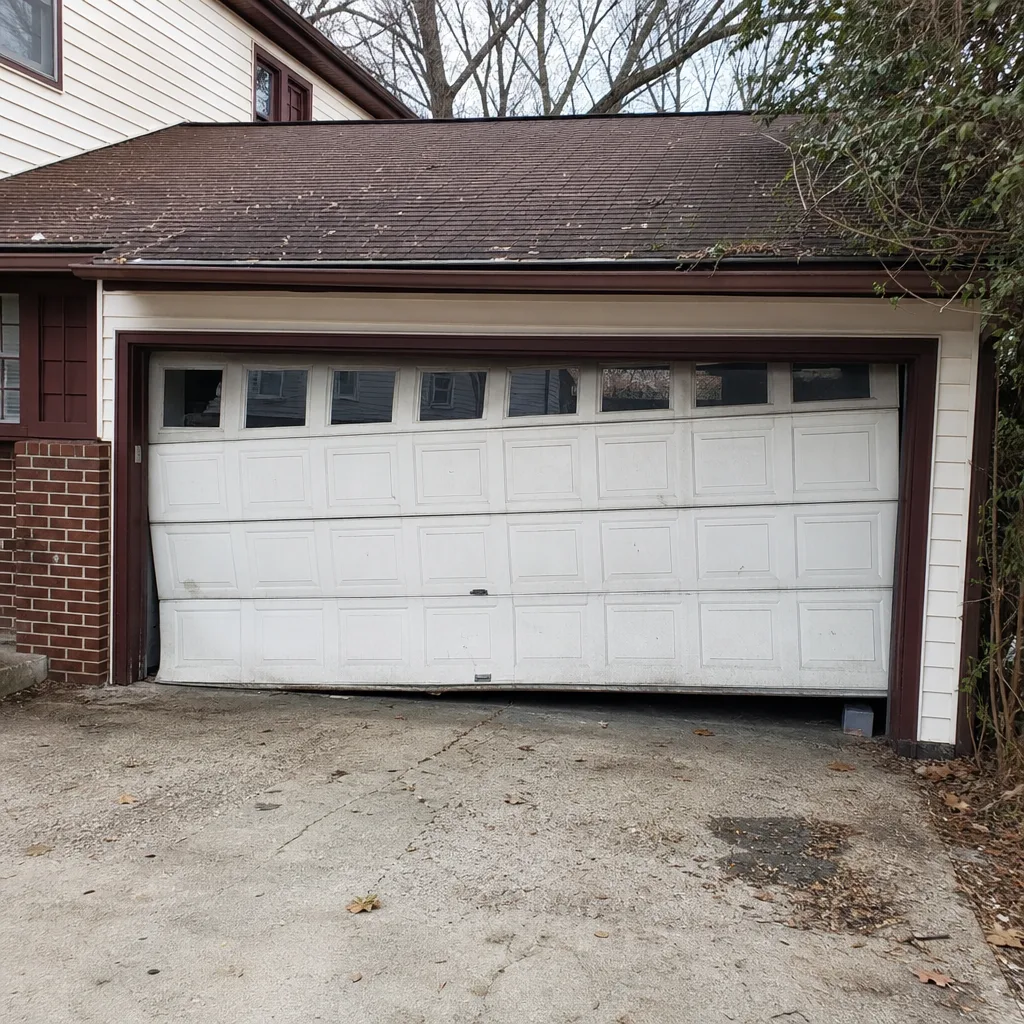 Before
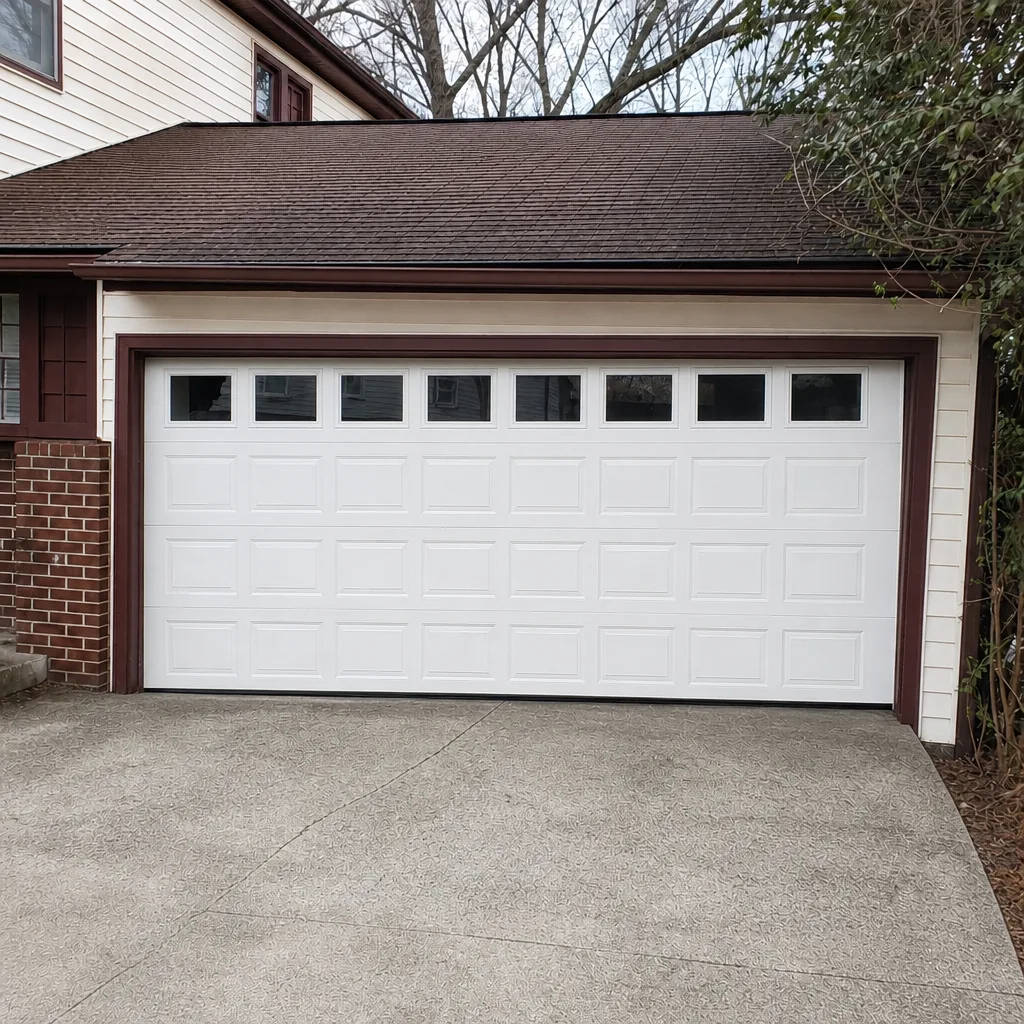 After
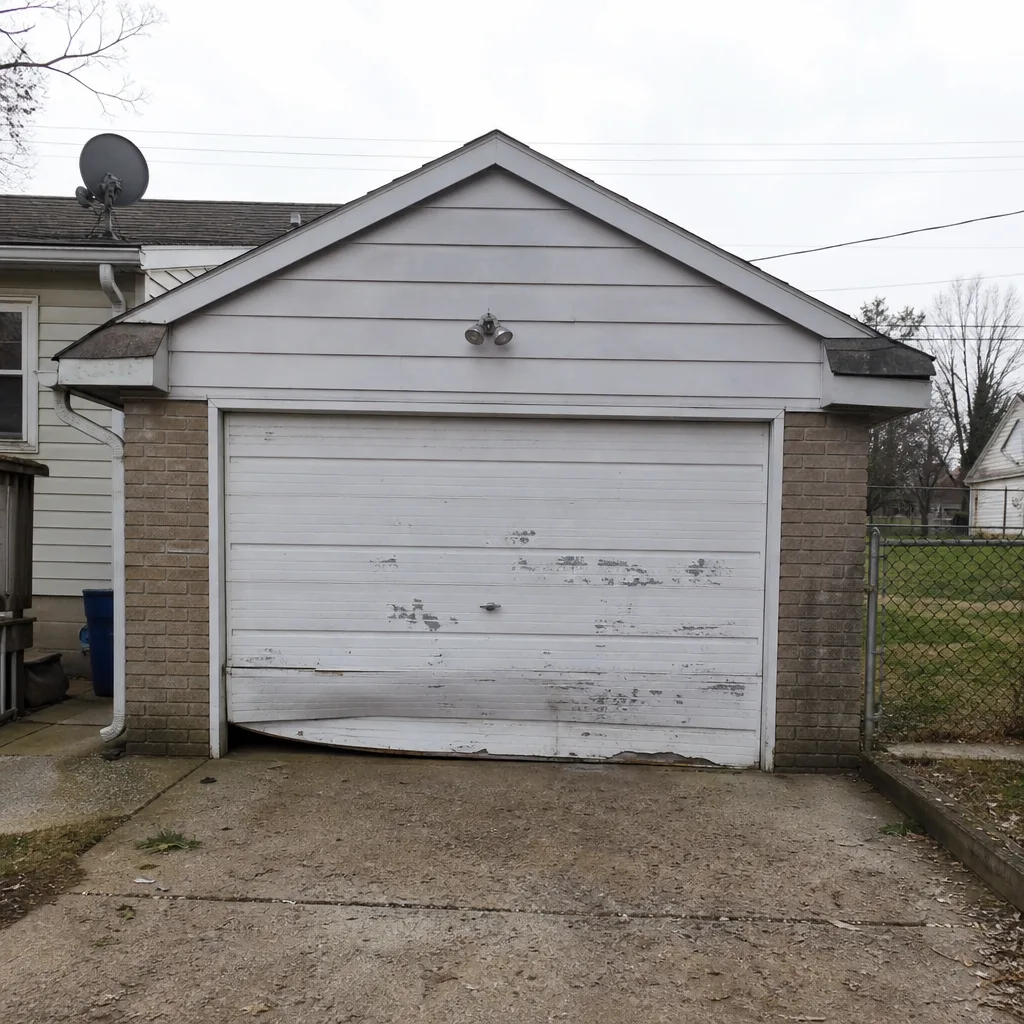 Before
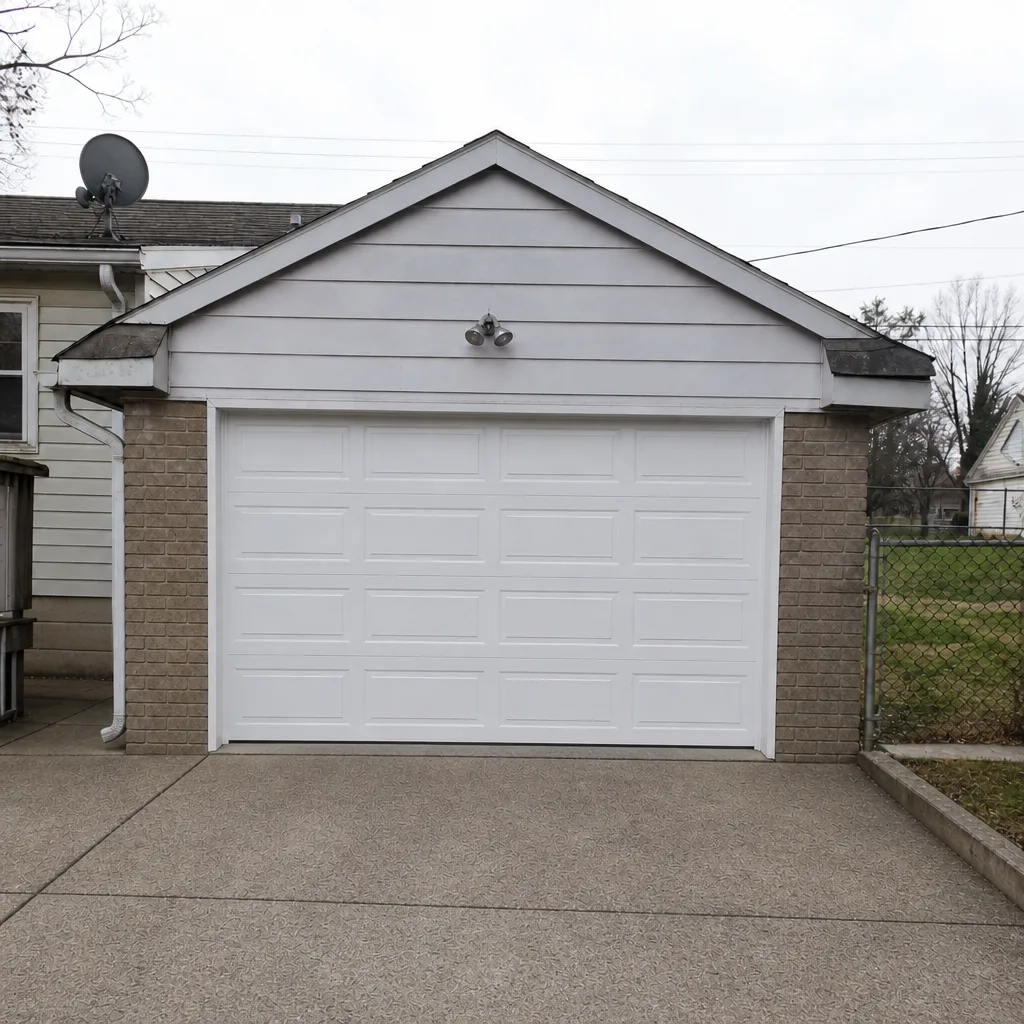 After
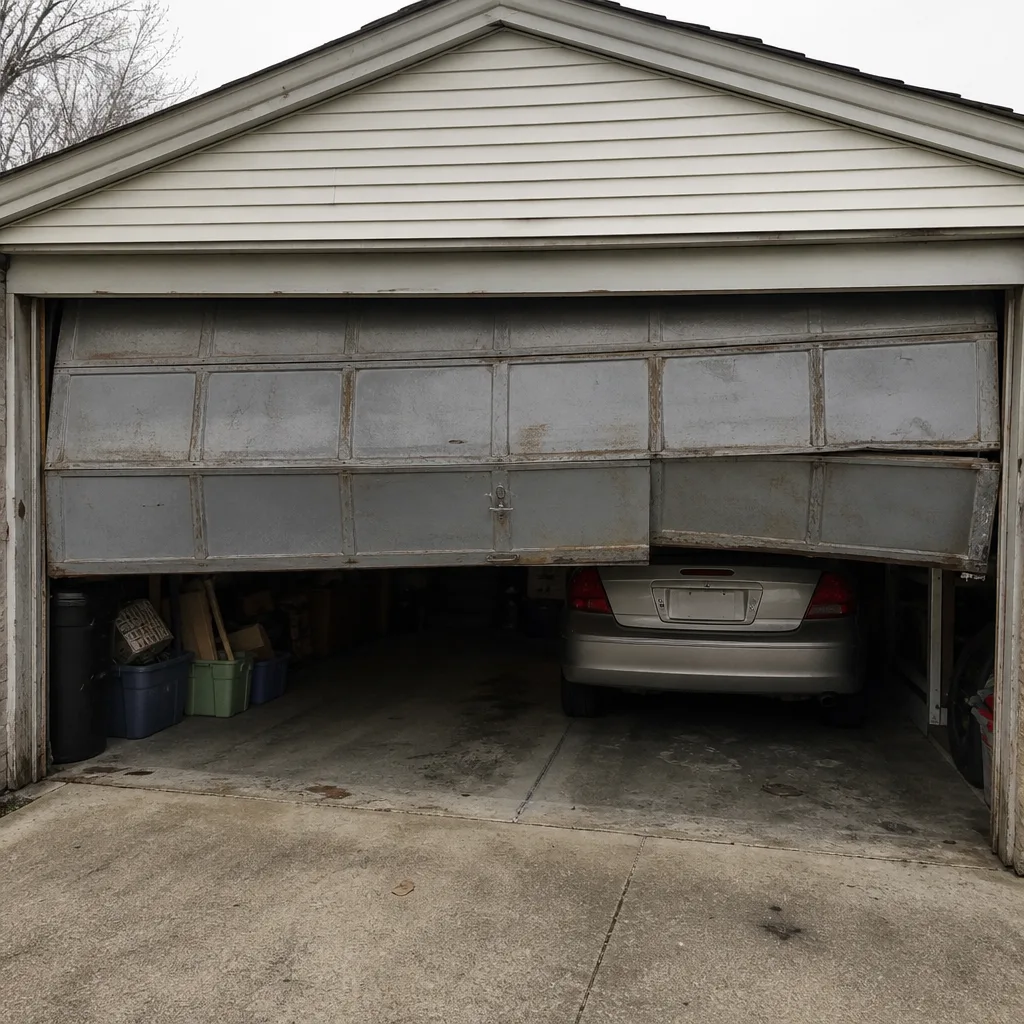 Before
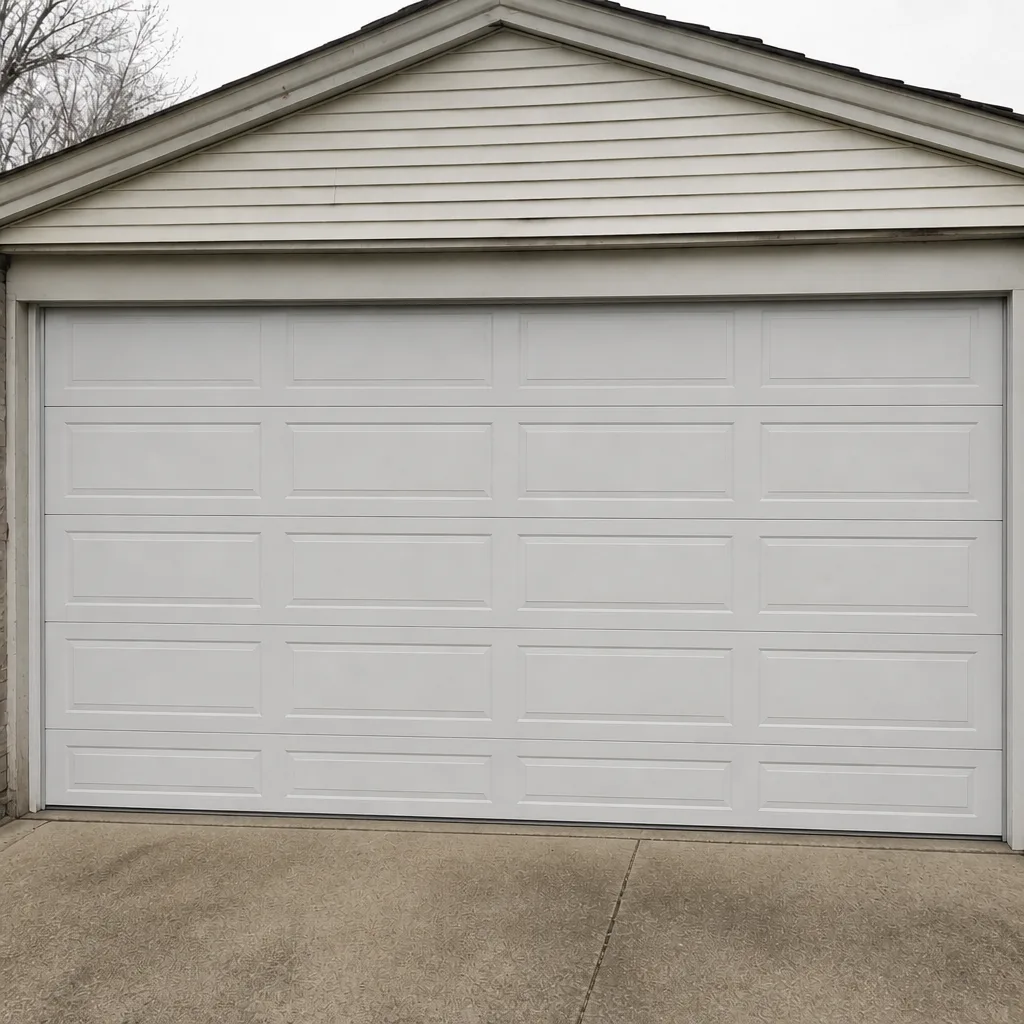 After
When to Call a Professional
Some garage door problems are safe to watch and some aren’t. Call a professional when the door won’t open or close, when it reverses partway down, when you hear a loud snap from above the door, or when the door feels heavy to lift by hand. A snapped spring, a door off its track, a frayed cable, or an opener that runs but doesn’t move the door all warrant a call. Don’t try to adjust springs or cables yourself; the tension in those parts can cause serious injury. For a door stuck open, a specialist can secure it and get you back up and running today. Bethlehem Garage Door Repair Pros offers free estimates in Bethlehem. Call (833) 468-5855. We answer 24/7. Fast dispatch from 7am to 7pm, Sunday through Friday.
Frequently Asked Questions
Spring repair in Bethlehem is priced per job by a written estimate, and the quote depends on the door’s weight, the spring size, and whether one spring or a matched pair is being replaced. A matched pair costs about twice a single spring, so ask which you’re being quoted. The price is quoted and agreed before any work starts. Call (833) 468-5855 for an exact quote; estimates are free.
Pennsylvania doesn’t require a specialty license to work on garage doors, which is why the insurance and quote questions matter so much. The local pro you hire should be licensed and insured as their state requires, and should be able to show a current certificate covering general liability and workers’ comp. Ask for it before booking.
Same-day service is available for repair calls, including a door that won’t close or is stuck open. Call (833) 468-5855. We answer 24/7. Fast dispatch from 7am to 7pm, Sunday through Friday. A call outside dispatch hours is booked into the next opening, Sunday through Friday, 7am to 7pm.
No. The price is quoted and agreed before any work starts, and the written estimate sets the final price. A fair quote is itemized and holds once agreed. If a technician tries to raise the price after work begins, ask for the written estimate you agreed to.
The local pro you hire should be licensed and insured as their state requires, and we can confirm the insurance documentation before booking. Ask for a current certificate showing general liability and workers’ comp, and confirm it before anyone comes to your home.
Repair is usually the right call when the door panels, tracks, and frame are sound and the problem is a part like a spring or opener. Replacement makes more sense when the door is structurally damaged or repeatedly failing in different ways. A specialist can tell you which you’re facing after a look at the system, and the same company can handle either.
The Bottom Line
Hiring a garage door contractor in Bethlehem comes down to verification. Confirm insurance that covers spring work, not just general liability. Ask the five phone questions and listen for specific answers. Insist on a written, itemized quote and confirm the price before work starts. Choose a single-trade specialist over a generalist, because component knowledge is what makes a repair last. And confirm the contractor works on your brand before booking, so you’re not stuck with a dead end after the visit. The written estimate is the price. When you’re ready, our team at Bethlehem Garage Door Repair Pros is here to help.
Call (833) 468-5855 for a free estimate. We answer 24/7. Fast dispatch from 7am to 7pm, Sunday through Friday.
Written by the team at Bethlehem Garage Door Repair Pros.