
Last updated November 22, 2026
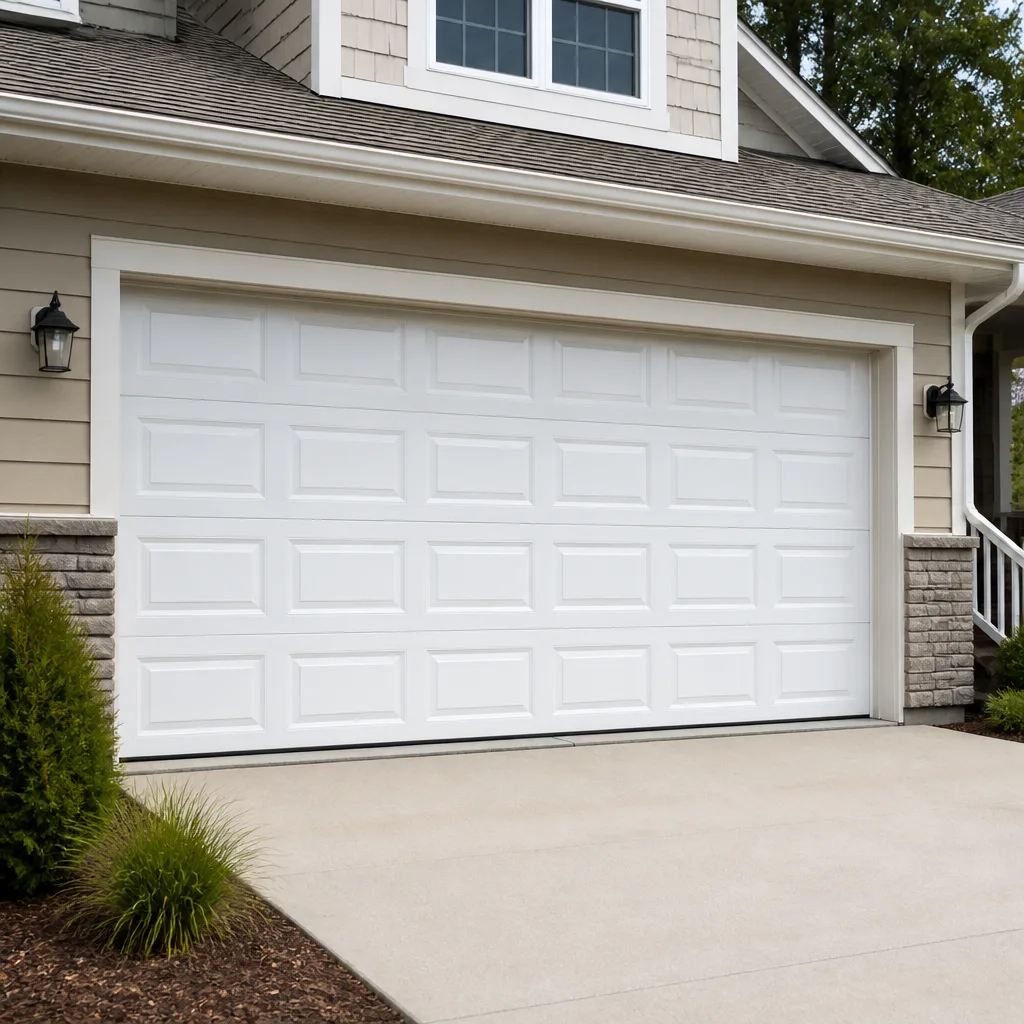 Raised-panel steel
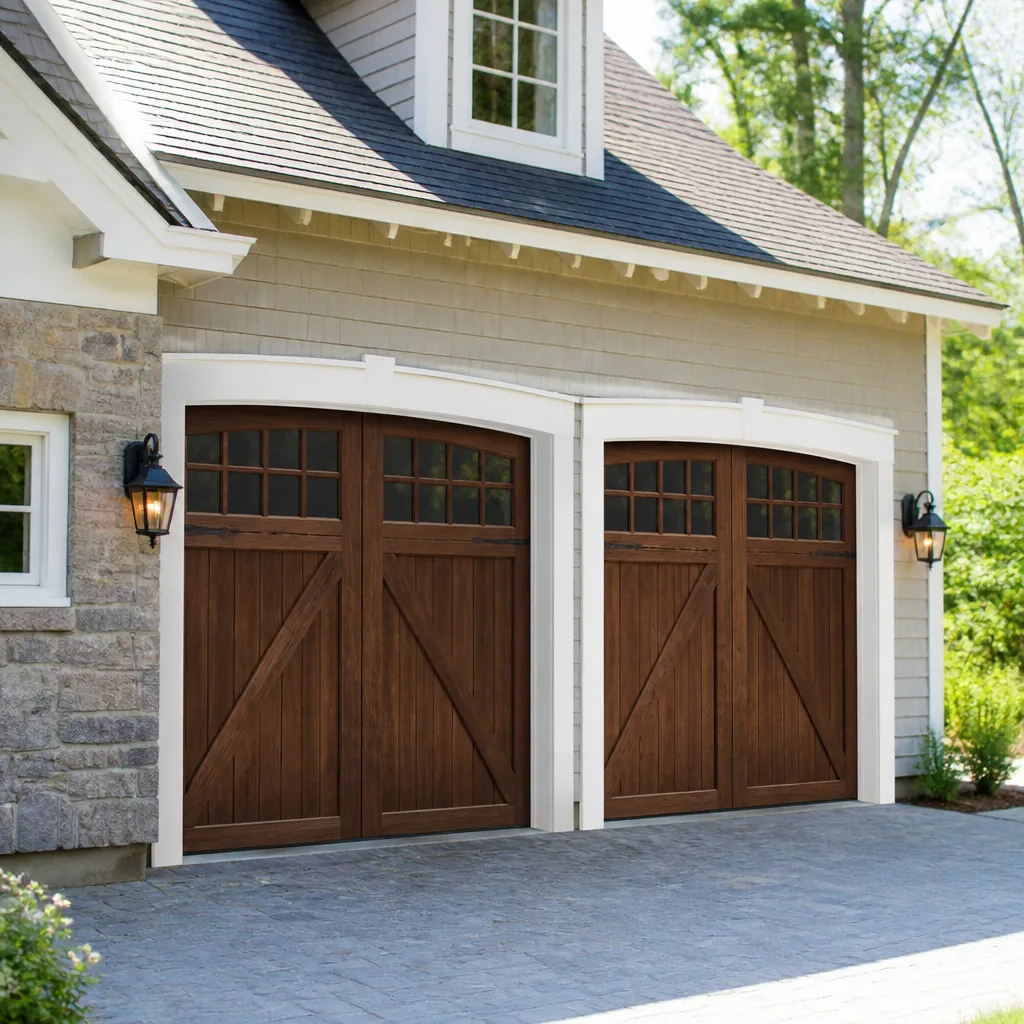 Carriage house
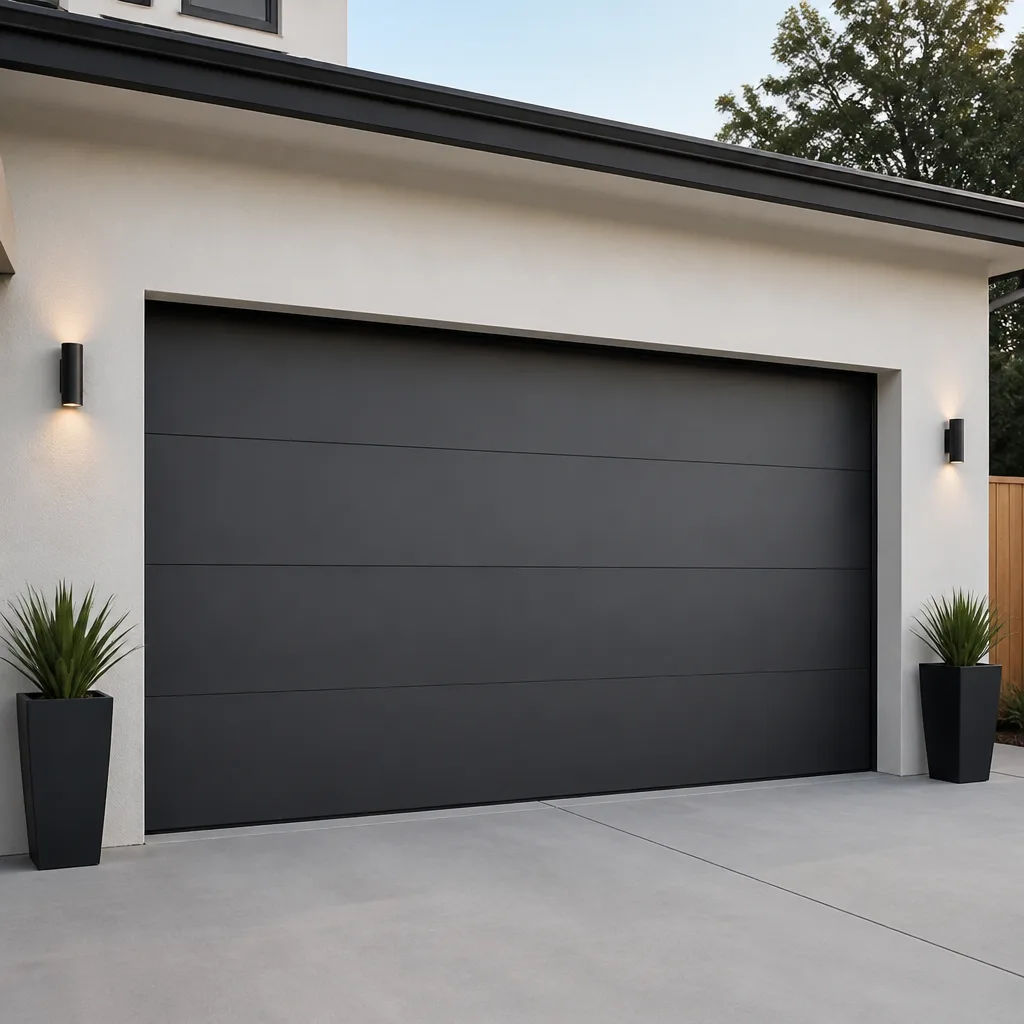 Modern flush
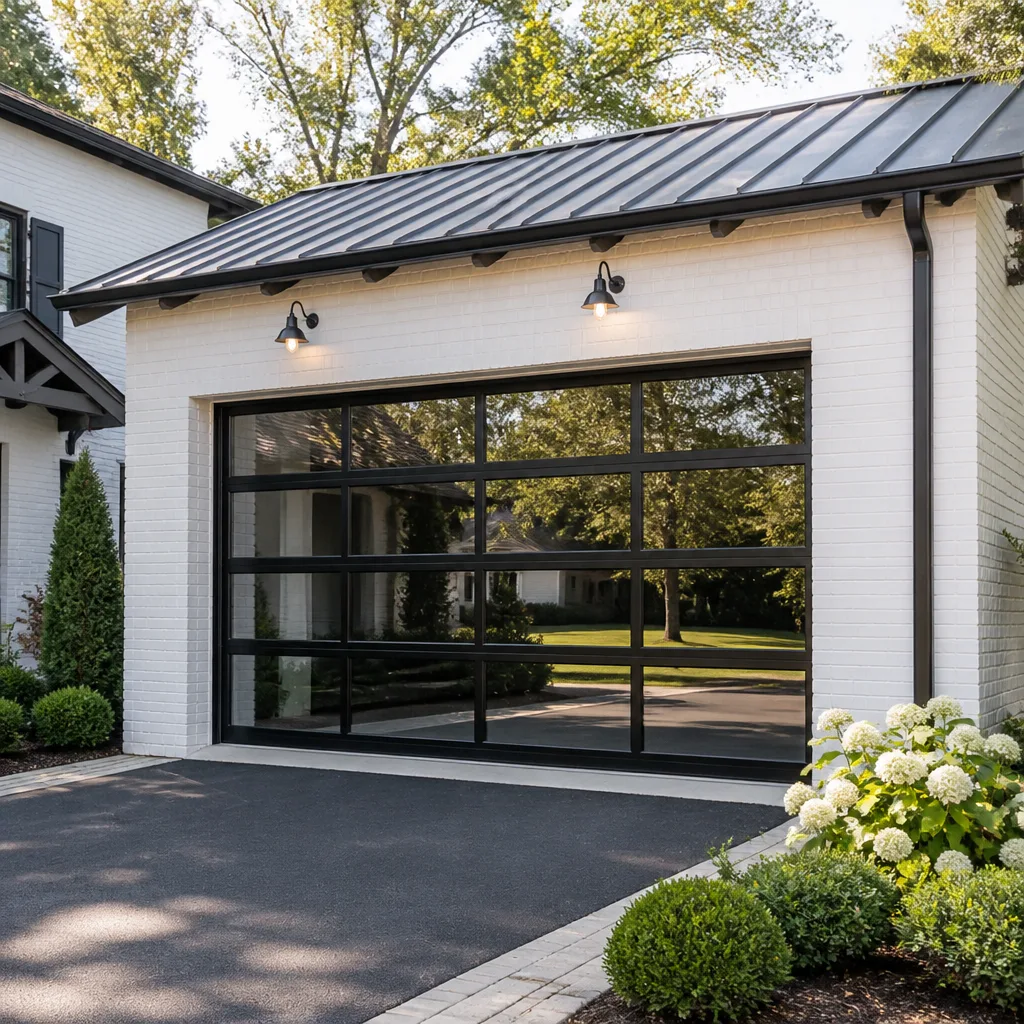 Full-view glass
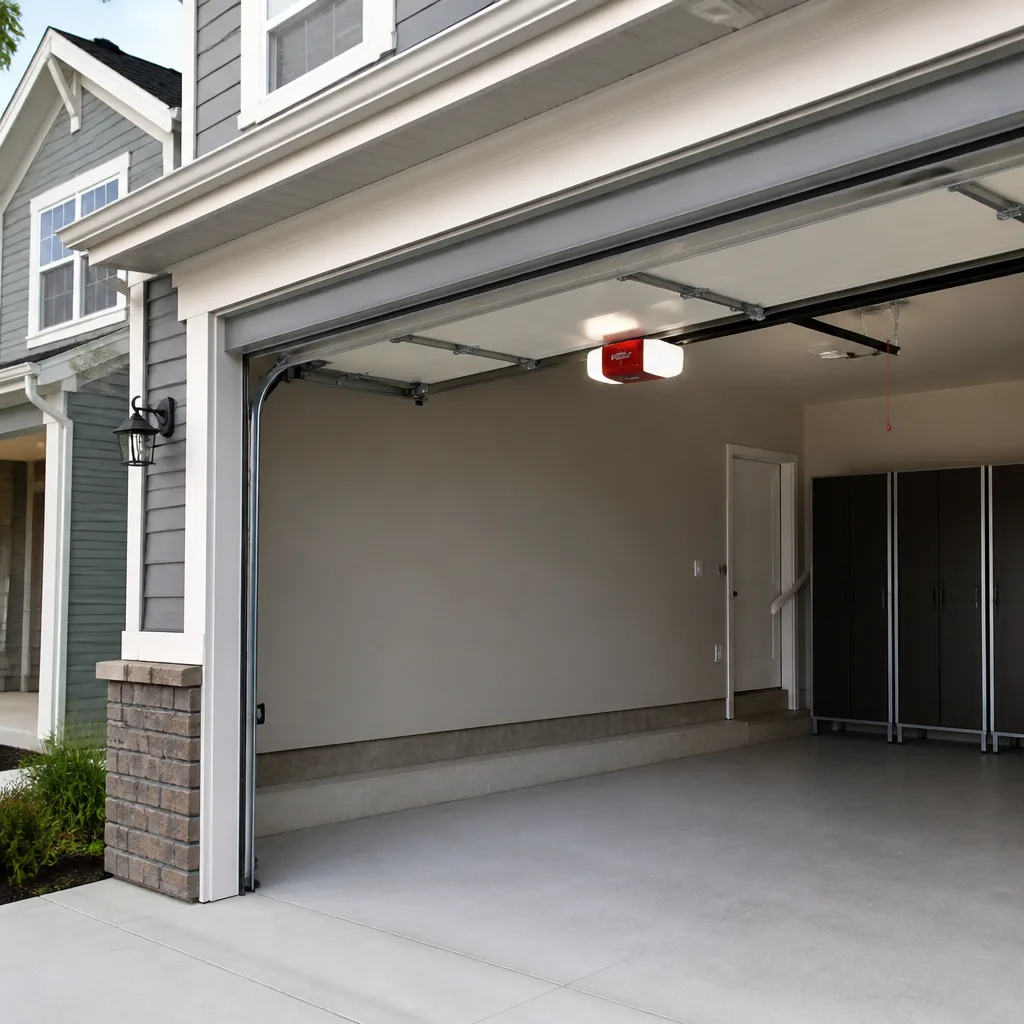 LiftMaster openers
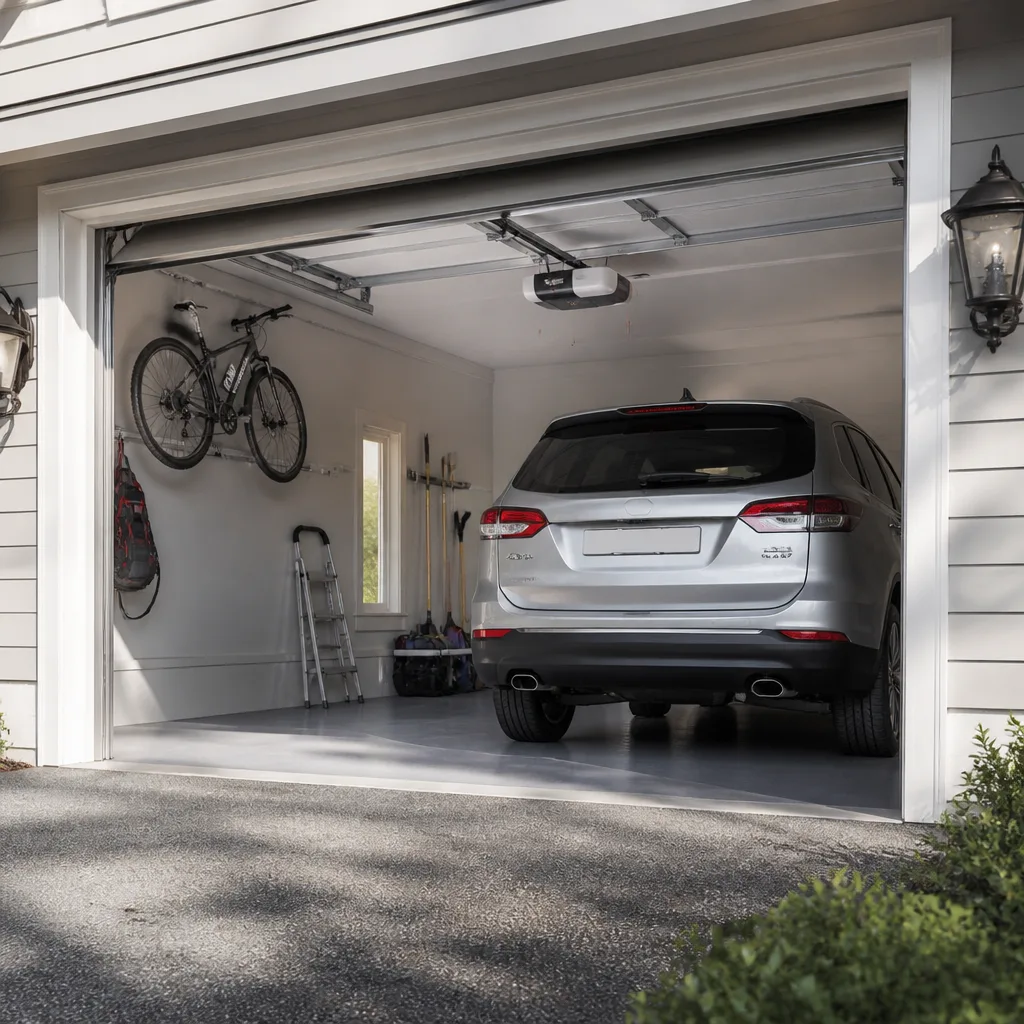 Chamberlain openers
Full 25-point door and opener safety check with every visit - springs, cables, rollers, tracks, and your LiftMaster or Chamberlain opener included
You get a price before we start. It does not change when the pro arrives.
Get your free estimateGarage Door Repair Maintenance Checklist for Bethlehem Homeowners
Most garage door maintenance advice tells you to lubricate the hinges twice a year. What it leaves out is that the wrong lubricant, like WD-40, actively attracts dirt and speeds up the wear it’s supposed to prevent. We’ve pulled apart doors where a well-meaning owner sprayed a solvent-based product on the rollers every month and turned a cheap part into a gritty, grinding problem. This guide is the checklist we’d hand a Bethlehem homeowner if we had five minutes at the kitchen table. It’s built around the failure patterns we actually see in Bethlehem homes, timed to what really degrades first, and organized so you know what’s safe to check yourself and what isn’t. You’ll get the lubricants that belong on each component, home tests you can run without tools, and the inspection points that differ between attached and detached garages.
Quick Answer
A solid garage door maintenance routine means a quick monthly visual check, lubrication on the right components every few months, and a balance plus auto-reverse test twice a year. Anything that involves the torsion springs, the cables, or the opener’s internal wiring is a job for a trained technician, since springs and cables store enough energy to cause serious injury. Everything else – tracks, hinges, rollers, weather seal, and the safety tests – you can handle at home.
Styles & brands we work with
- Raised-panel steel
- Carriage house
- Modern flush
- Full-view glass
- LiftMaster openers
- Chamberlain openers
Table of Contents
- The 60-Second Visual Check That Catches Most Problems
- Which Lubricant Goes Where (and What Never to Use)
- How to Test Door Balance Without Tools
- Testing Auto-Reverse and Force Settings
- Attached vs. Detached Garages in Bethlehem: Different Inspection Points
- Timing Your Checklist to Bethlehem’s Seasons
- DIY vs. Technician: Which Tasks Are Safe to Handle
- Keeping Your Opener Running Longer
The 60-Second Visual Check That Catches Most Problems
Most developing garage door problems announce themselves before they fail. Run this check once a month, standing inside the garage with the door closed and then while it’s moving. It takes about a minute and it’s the single highest-value habit on this list.
With the door down, look along the horizontal track and the vertical track on both sides. You’re checking for bent brackets, loose bolts, and anything out of alignment. Then look at the hinges between the panels – are any cracked or pulling away? Move your eyes to the rollers in the track; a wheel that’s worn flat has a wobble you can spot if you know to look. Finally, scan the torsion springs above the door and the cables along the sides. A spring with a visible gap in its coil has broken, and a cable that’s frayed or sitting loose off its drum is a warning sign.
Then press the button and watch the door travel. It should move smoothly and stay level with the floor line. Listen for grinding, squealing, or uneven speeds on one side. Those sounds point to a specific component, and the earlier you catch them the cheaper the fix.
- Bent or loose track brackets
- Cracked hinges or loose hinge bolts
- Rollers that wobble or look flat on one side
- A visible gap in the torsion spring
- Frayed, slack, or off-drum cable
- Uneven travel or grinding sounds
- Weather seal peeling or worn at the bottom
If any of these show up, don’t operate the door until you’ve had it looked at, especially the spring and cable findings. A door that stops mid-travel because a spring snapped can drop fast. This is where a quick call to garage door repair beats waiting for a bigger failure.
Which Lubricant Goes Where (and What Never to Use)
The biggest maintenance mistake we see in Bethlehem garages is the wrong lubricant on the wrong part. The second biggest is using a solvent-based product like WD-40, which strips the factory coating off rollers and hinges and leaves them dry and exposed. Not only does that accelerate wear, but on some doors it can void the manufacturer’s warranty, because the part was never meant to be treated with a penetrant solvent. Check your door’s manual before you spray anything.
Here’s the breakdown we use on service calls:
- Torsion springs: A small amount of high-quality garage door lubricant or a dedicated spring grease on the coil. Never WD-40. Never oil on a clean cotton rag dragged across the coil, which just picks up grit.
- Rollers: A few drops of garage door lubricant on the metal stem of each roller, not the wheel face. Nylon rollers need very little; steel rollers want a light coat on the bearing area.
- Hinges: Light oil or lubricant on the pivot points. Wipe off the excess so dust doesn’t collect.
- Tracks: Nothing. Never grease the tracks. The rollers need to glide along a clean surface; lubricant in the track traps grit and makes the rollers slide instead of roll.
- Opener chain or belt: Manufacturer-specified lubricant only. Many newer units are sealed and need nothing at all.
- Weather seal: Silicone spray keeps a rubber seal pliable through Bethlehem’s cold stretches. Don’t use motor oil, which attacks the rubber.
That’s the whole story on lubricants: the right product, on the right part, in small amounts. It’s not a monthly chore. Two to three times a year is plenty for most homes, more often if the door gets heavy daily use.
How to Test Door Balance Without Tools
A balanced door stays put wherever you leave it on the track. An unbalanced door drifts, and that drift is the earliest sign your springs are on their way out. Here’s how to test it, no tools needed.
- Close the door fully.
- Pull the emergency release cord to disconnect the door from the opener.
- Lift the door to roughly waist height by hand and let go.
- Lift it halfway again and leave it there.
- Watch whether it holds or drifts down.
If the door stays put at waist height and halfway, your springs are matched to the door’s weight and doing their job. If it falls or drops slowly, the springs have lost tension or one is failing. If it rises after you let go, the spring tension is too high.
An unbalanced door is dangerous to test with the springs in a bad state. If you lift it and it wants to drop on you, put it back down carefully and call a technician. Don’t try to adjust the springs yourself. This is a job reserved for a trained tech because the torsion spring stores enormous energy even when it looks loose. Once the test is back to “holds in place,” reconnect the opener and you’re done.
Testing Auto-Reverse and Force Settings
Every garage door built since 1993 has to have an auto-reverse feature, and it’s the single most important safety mechanism on the system. It keeps the door from crushing a child, a pet, or a car. You should test it twice a year.
The photo-eye / contact test: close the door using the opener button. As it’s coming down, wave your arm through the safety beam near the floor of the door opening. The door should reverse immediately and travel back open. If it doesn’t, that’s a force-setting or sensor issue and you should stop using the door until it’s fixed.
The 2×4 test: place a piece of 2×4 lumber flat on the floor under the middle of the door. Close the door. When it hits the wood, it should reverse before any pressure builds. If it presses down and stops on the wood, the force setting is too high.
Now, your opener has force settings that determine how hard the motor pushes. These are labeled on most modern units – on a LiftMaster or Chamberlain, you’ll find them behind the light lens; on a Craftsman or Raynor, check the manual. Here’s the important part: don’t turn those dials up to solve a door that’s sticking. That just makes the opener force a struggling door until something breaks. Force settings should only be adjusted by a technician who’s addressed the underlying resistance. If your door stalls, the answer is diagnosis, not a stronger push. The team at Bethlehem Garage Door Repair Pros can test the opener and door together.
Attached vs. Detached Garages in Bethlehem: Different Inspection Points
Whether your garage shares a wall with the house or stands on its own changes what you should watch. Bethlehem’s older neighborhoods – the alleys off the south side, the tight lots near the Hill-to-Hill Bridge, the detached garages behind homes on the North Side – often have garages built separately decades ago. Newer developments on the west side typically attach the garage to the house. Each has its own failure pattern.
Detached garages take more moisture abuse. They’re unconditioned, they aren’t heated by the house, and they wear different seasonal swings than the attached spaces. That means:
- Inspect the bottom weather seal every season – it takes the brunt of snowmelt and rain blowing in.
- Look for rust on the door panels and track brackets. Detached garages get more condensation than attached spaces.
- Check the header above the door for signs of sag, especially on older structures.
- Clean leaf litter and debris from the door’s path; detached garages tend to collect it where the door meets the concrete apron.
Attached garages share the home’s air and structure, which brings different concerns:
- Watch for moisture traveling from the house into the garage, showing up as warped wood or damp drywall near the door opening.
- Check the door opening’s frame for cracks in the concrete or gaps in the trim, since air leaks and water intrusion here creep into the house.
- Because the space is closer to living areas, listen harder for grinding or squealing. Those sounds carry into rooms above the garage.
Both types share the same core checks, but the moisture question is the reason to know your garage type before you inspect.
Timing Your Checklist to Bethlehem’s Seasons
A maintenance checklist works better when it’s timed to what’s happening outside. Bethlehem’s winters are cold enough to freeze a seal stiff, and the summer humidity brings its own set of issues. Here’s a simple seasonal rhythm.
- Late fall (before the first deep freeze): Lubricate springs, hinges, and rollers. Treat the weather seal with silicone so it doesn’t crack in the cold. Test the auto-reverse and force settings – this is the last chance to catch an issue before the door has to work in freezing temperatures.
- Early spring: Inspect for winter damage. Look for rust spots on the door panels, a cracked seal, and any bending in the tracks that came with ground heave or snow shovel impact. Run the 60-second check on the whole system.
- Summer: Check for moisture-related problems – wood swelling, condensation on the springs, and any dragging sounds that appear when the humidity climbs. This is a good time to clean out the tracks and vacuum out grit.
- Twice yearly: Run the balance test and the auto-reverse test. These are the two measurements that tell you most about the health of the system.
The seasonal rhythm is a guide, not a rule. The real trigger is any change in how the door behaves – a new sound, a slow start, a visible gap, or a door that just doesn’t feel right when you lift it. Trust that instinct and investigate early.
DIY vs. Technician: Which Tasks Are Safe to Handle
Most garage door maintenance is safe to do yourself. Some of it absolutely isn’t. The line is drawn at the springs and cables, and it’s worth understanding why.
Safe to do yourself:
- Visual inspections of the tracks, hinges, rollers, and door panels.
- Lubricating the springs, hinges, and rollers with the correct product.
- Cleaning the tracks with a cloth and following with a dry rag (no grease).
- Weather seal treatment and replacement.
- Running the balance test and auto-reverse test – these are just observations.
- Tightening visible bolts on the hinges and brackets – gentle hand-tightening, not standing on the wrench.
- Changing the remote battery, cleaning the photo-eye lenses, and checking alignment on the safety sensors.
Do not do yourself:
- Adjusting or replacing torsion springs. These springs hold hundreds of pounds of tension. A mistake can release that energy into your hand or face in an instant. Trained technicians use specific winding bars and know exactly where the energy lives.
- Cutting or reattaching cables. Same energy, different part. A cable that snaps can whip and cause serious injury.
- Resetting the force settings to force a sticking door. This masks a problem that a technician needs to diagnose.
- Replacing the opener’s internal gears or wiring. We cover opener work on garage door opener repair, and it’s not a home job.
- Straightening a bent track with force. The geometry matters, and a haphazard fix can drop the door.
A simple rule: if the work involves loosening or tightening anything that’s under tension from the spring system, stop and call. If it’s on the outer shell of the system – the door, the tracks, the seal, the sensors – you’re safe to handle it. This is why we always say springs are dangerous and deserve a trained technician, not a general handyman’s best guess.
Keeping Your Opener Running Longer
The opener is the brain of the system, and it takes less daily care than the door. A few habits keep it running through the years.
- Keep the unit’s vents clear of dust and cobwebs. An overheating motor adds resistance and shortens its life.
- Test the safety sensors every few months – the small lights on each sensor should be steady, not blinking. A blinking light means the beam is blocked or out of alignment, and the door won’t close reliably.
- Check the backup battery if the unit has one. A dead battery in the opener is easy to forget until the power goes out.
- Watch for the opener reversing on its own or stalling halfway. That’s often a force-setting issue or a failing logic board, and both are a call for a technician.
Brand matters here. On a LiftMaster or Chamberlain, the logic board and force settings are typically accessible behind the light lens. On a Craftsman, the parts are often older and specific to the model. A Raynor opener pairs with a door that may need specific alignment. We work on all of these, and we never turn a homeowner away because of the brand on the box. If your opener stops helping, whether it’s binding, beeping, or dead, we can diagnose it and tell you honestly whether it’s a repair or a replacement conversation. When the answer is a new opener, it’s usually paired with a new door at some point, and that’s a step up to garage door installation.
Common Mistakes to Avoid
- Spraying WD-40 on the rollers and hinges. It feels like maintenance, but it dissolves the protective lubricant and leaves the metal dry and gritty. The factory coating on a roller is there for a reason, and a solvent removes it.
- Greasing the tracks. Tracks should be clean and dry. Lubricant in the track catches grit and stops the rollers from rolling, which makes the door harder to move and wears out the parts faster.
- Turning up the force setting to fix a sticking door. This hides the problem instead of solving it, and puts extra strain on the door, the opener, and the springs. Diagnose the resistance first.
- Ignoring the balance test because the door “still works.” An unbalanced door is a spring problem in the making. The door may run fine for a while, then fail all at once when the weakened spring snaps.
- Skipping the auto-reverse test. A door that doesn’t reverse on contact is a hazard. In Bethlehem homes where kids and pets use the driveway, this is a test worth running often.
- Watching for the wrong weather. A common mistake in Bethlehem’s older detached garages is ignoring the bottom seal through the winter, then finding out in spring that the seal is cracked and water has reached the door’s bottom panel.
- Assuming a general handyman can handle spring work. Many won’t take the job, and the ones who will may not have the specific tools or experience. Garage doors are all we do, and we’ve seen what a spring job done poorly looks like.
See the difference
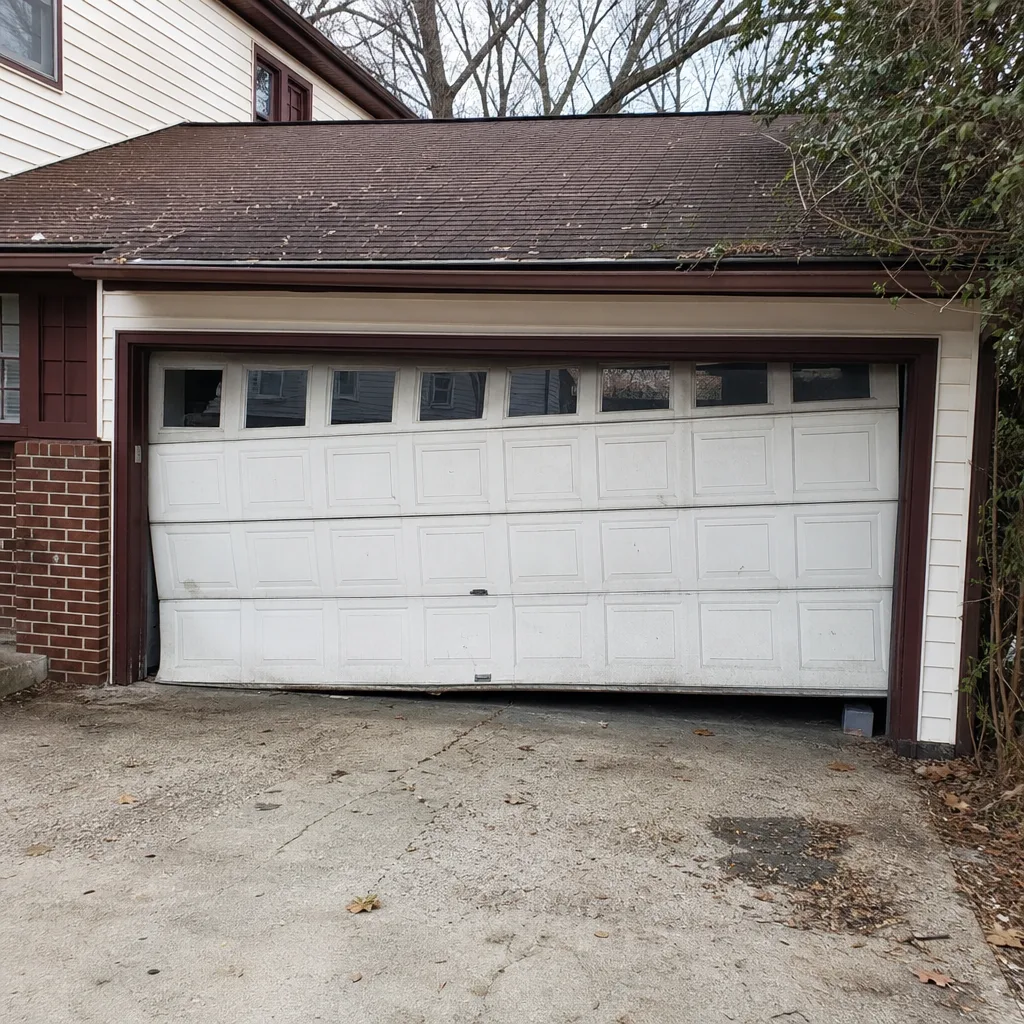 Before
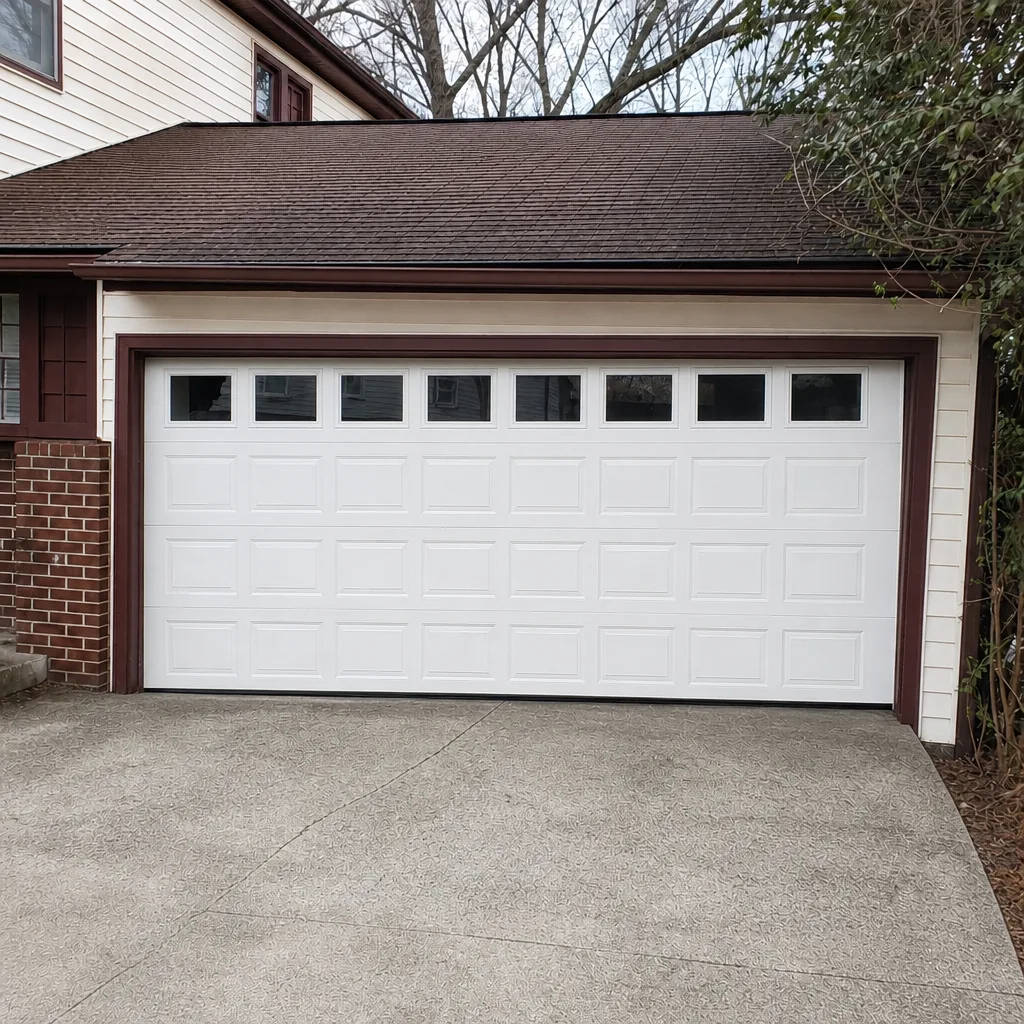 After
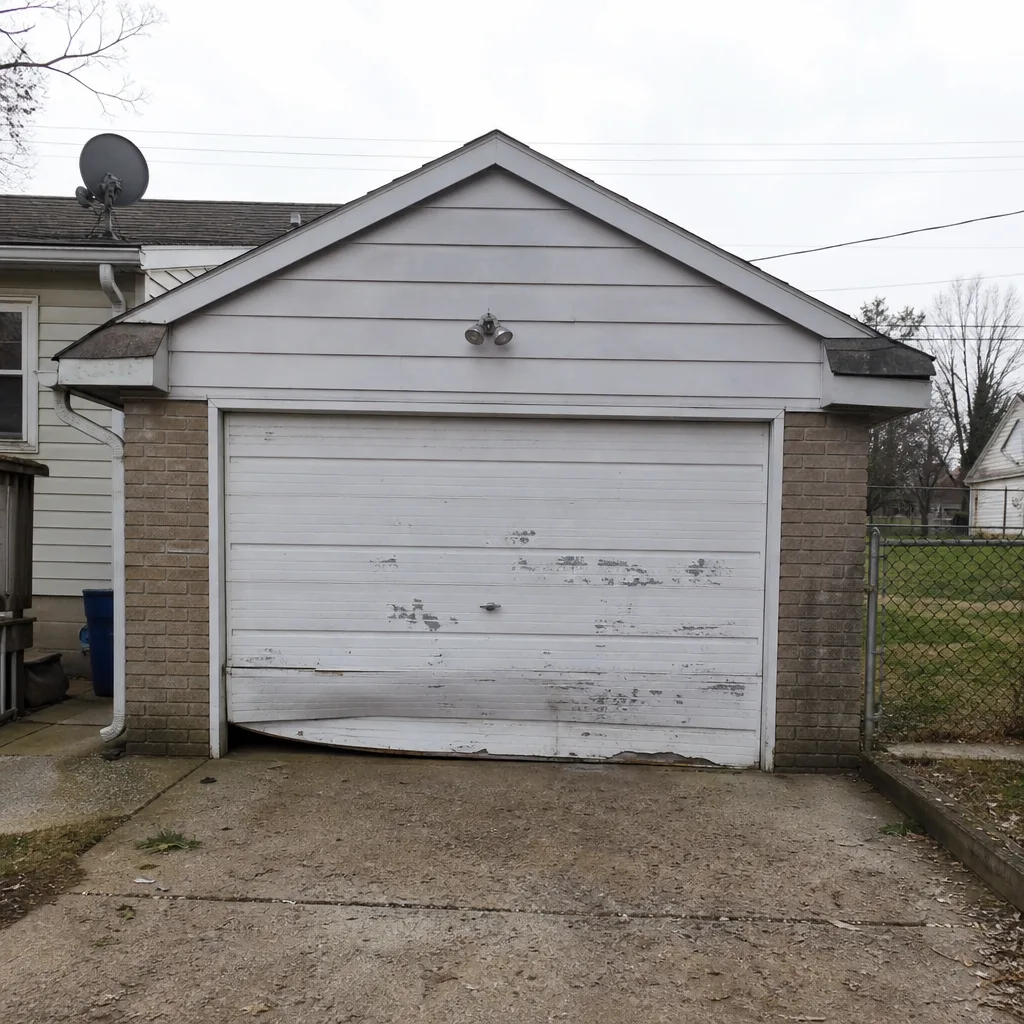 Before
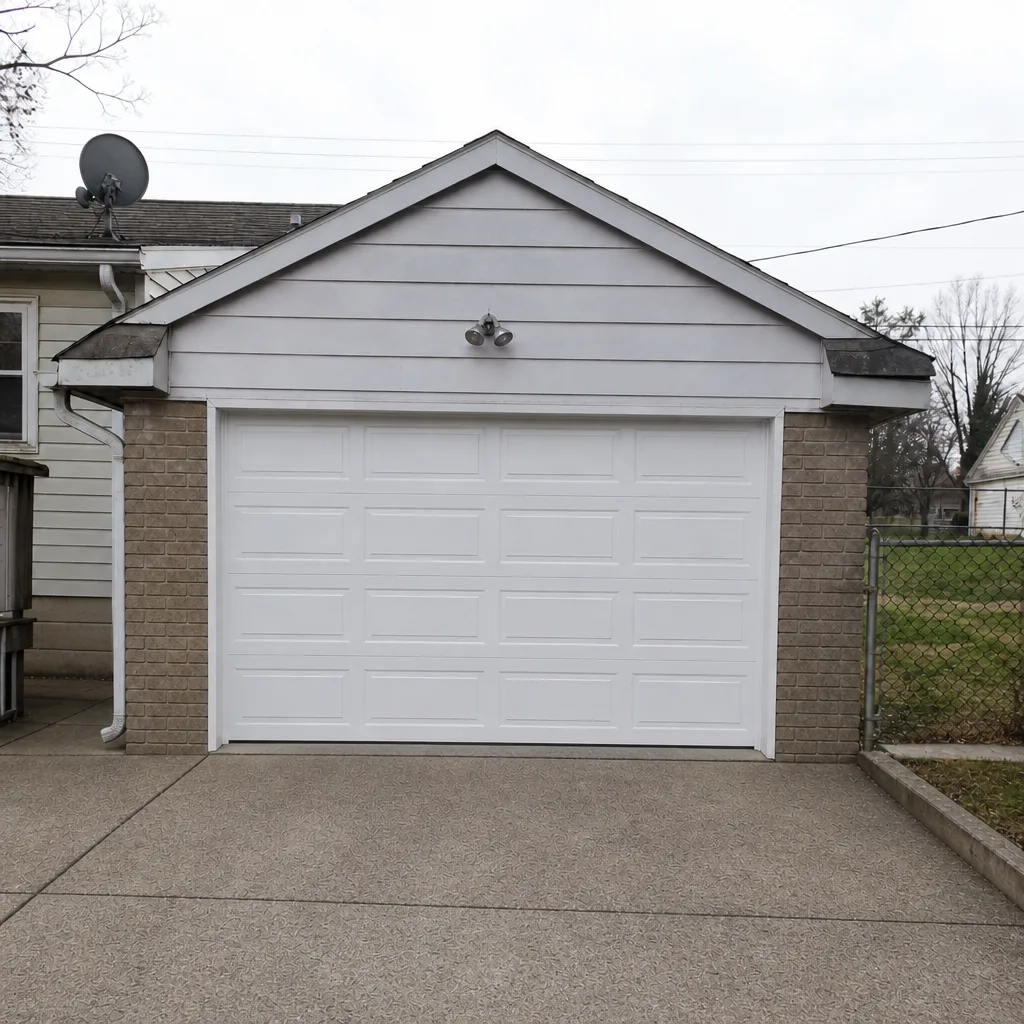 After
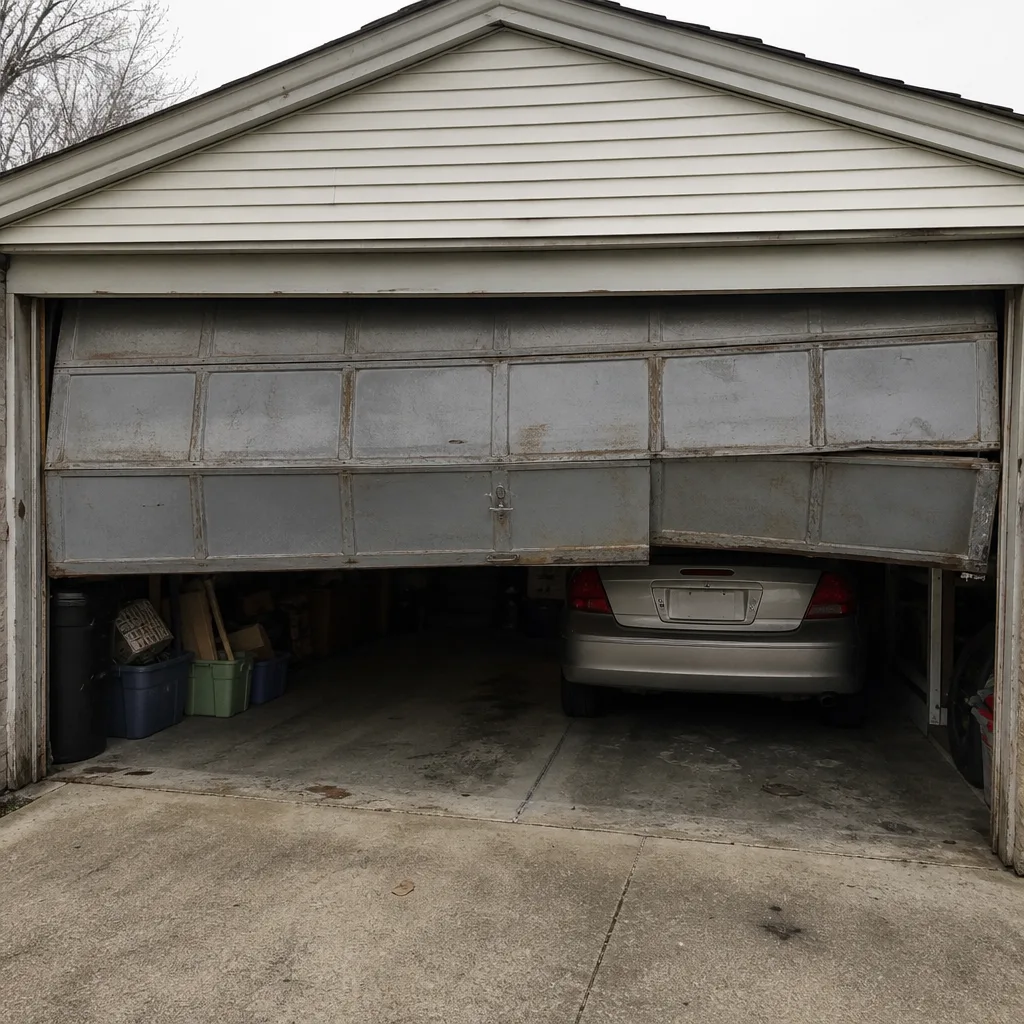 Before
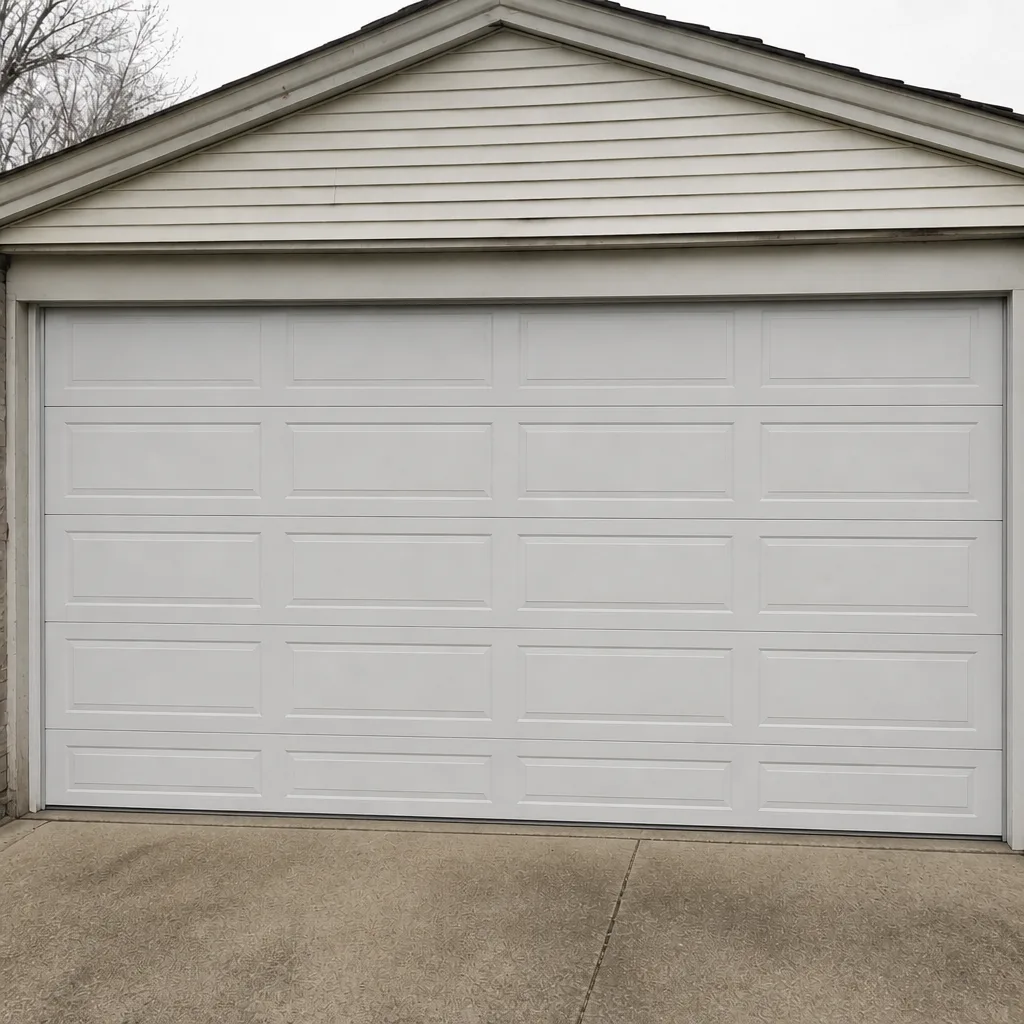 After
When to Call a Professional
Some scenarios need a call instead of a checklist. Call when the door won’t open or close at all, when the door has come off the track or is hanging crooked, when you hear a loud bang from the spring area (that’s usually a broken spring), or when the door reverses without reason and won’t stay closed. Call if the opener beeps and stops, if the track is bent, or if the door feels heavier than it used to. And call if your 60-second check shows a broken spring or a loose cable, because those aren’t a “wait and see” situation. Bethlehem Garage Door Repair Pros offers free estimates in Bethlehem, we answer 24/7, and we run fast dispatch from 7am to 7pm, Sunday through Friday. Call (833) 468-5855 and we’ll get you back up and running today.
Frequently Asked Questions
Two to three times a year is right for most Bethlehem homes, more if the door gets heavy daily use. Lubricate the springs, hinges, and rollers with a proper garage door lubricant, not WD-40. Call (833) 468-5855 for an exact quote if you’d rather have us handle it – estimates are free.
No. Torsion springs store enough energy to cause serious injury, and the winding process needs specific tools and experience. Leave spring work to a trained technician. If your spring has snapped, call (833) 468-5855 and we’ll take care of it.
A door that reverses on its own usually has a misaligned or blocked safety sensor, or a force setting that’s out of range. Check the two small lenses near the floor for a steady light and clear the doorway first. If the issue continues, it needs a technician to diagnose – call (833) 468-5855 for a free estimate.
Pull the emergency release, lift the door to waist height by hand, and let go. A balanced door stays put. If it drifts down or up, the springs need a technician’s attention. Call (833) 468-5855 if the test fails – estimates are free.
Yes, mainly around moisture. Detached garages see more seasonal swings and rust risk, so the bottom seal and track brackets need closer watching. Attached garages need attention to draft and moisture at the wall the garage shares with the house. Either way, the core checks are the same.
Different brands specify different lubricants and force settings, and some parts are specific to the model. We work on LiftMaster, Chamberlain, Genie, Clopay, Amarr, Wayne Dalton, Craftsman, and Raynor, so you won’t get a dead end if your system needs a specific part. Call (833) 468-5855 – we’ll identify what’s on your door and quote you a written price before any work starts.
The Bottom Line
Garage door maintenance comes down to a few habits: run the 60-second visual check monthly, lubricate the right parts with the right product a few times a year, test balance and auto-reverse twice a year, and treat any change in how the door behaves as a signal to investigate. Springs and cables stay out of the DIY column. Everything else is in your reach. In Bethlehem, timing the work to the seasons – late fall lubrication before the freeze, early spring inspection for winter damage – catches most problems before they become emergency repairs. When it’s time to call, we’re a specialist for the whole system, not a generalist. Call (833) 468-5855 for a free estimate. We answer 24/7, and we run fast dispatch from 7am to 7pm, Sunday through Friday.
Written by the team at Bethlehem Garage Door Repair Pros.